Sign up with Google
 Sign in with Zoho

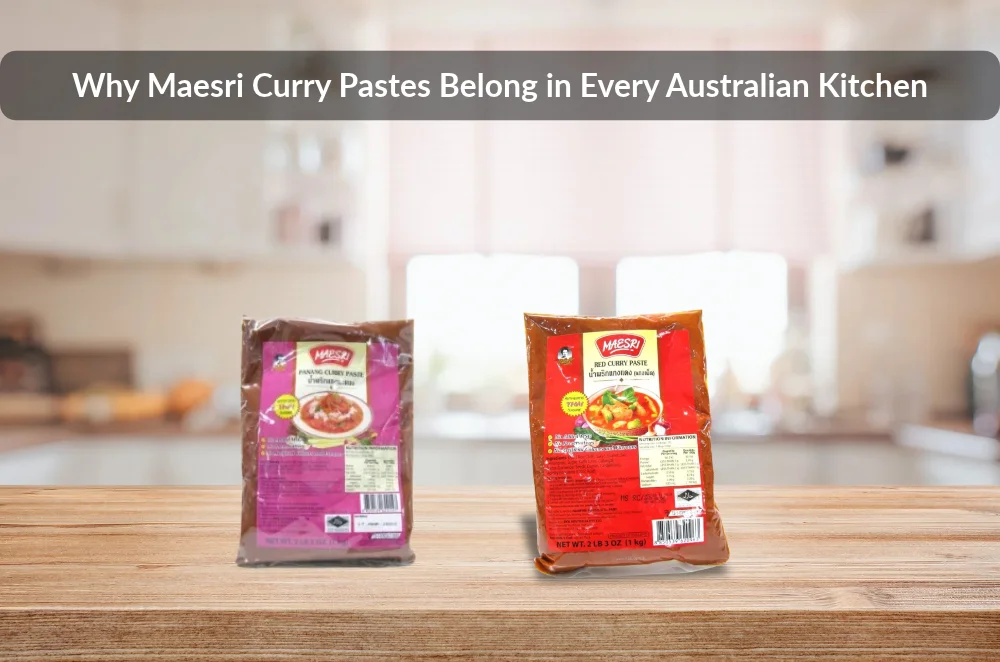
When an after-work curry has to taste like it simmered all afternoon, Thai cooks know the shortcut is in the paste. Maesri has been that shortcut across Bangkok’s cafés for decades, and its tins now line Australian shelves from Darwin to Hobart. What makes this brand click with local cooks? The answer sits at the intersection of flavour accuracy, consistency, and availability.
Why Maesri Curry Pastes Stand Out
Australian supermarkets carry a rainbow of curry pastes, yet many fall short once they hit a hot wok. Maesri’s recipes lean on traditional grinding ratios: small Thai chillies for heat, galangal for perfume, shrimp paste for depth. Because the company tins the blend soon after grinding, volatile aromatics—citrus notes from kaffir lime peel, for example—survive the trip across the equator.
That faithfulness matters. Swap galangal for ordinary ginger and a bowl of Tom Kha turns muddy. For cooks who want a reliable source, choosing a trusted Maesri products supplier means every tin delivers the same backbone, whether you are knocking out ten meal-prep lunches or experimenting with a plant-based green curry for friends.
Stocking a Thai Pantry Without Wasting Space
A common worry is shelf clutter—buying one paste for Massaman, another for Jungle curry, only to watch expiry dates creep closer. It helps to narrow the field to three all-rounders that cover most mid-week cravings:
Once opened, a paste holds up for about three weeks in the fridge. Pushing further can dull the herbs, so plan meals in clusters: red curry Monday, spicy pumpkin soup Wednesday, fried rice Friday.
For cooks learning flavour balance, this mid-article primer on balancing the five Thai flavour pillars helps make sense of how sweetness, saltiness, heat, sourness, and umami dance together.
Quick Weeknight Dishes That Taste Like Bangkok
Not every curry needs a slow braise. A 15-minute prawn Panang proves the point:
- Sauté Maesri Panang paste in a splash of coconut cream until fragrant.
- Add peeled prawns and sliced green beans.
- Pour in the remaining tin of coconut cream plus a dash of fish sauce.
- Simmer five minutes; finish with torn kaffir lime leaves.
Serve over jasmine rice. The paste does the heavy lifting, letting fresh seafood shine.
Another crowd-pleaser is green-curry fried rice. Day-old rice meets a spoonful of Maesri Green, leftover roast chicken, Thai basil, and cherry tomatoes. Heat, stir, plate—done.
These recipes share a theme: leverage a concentrated paste, pair it with readily available produce, and keep cooking times tight. It shifts Thai cuisine from “special occasion” to “any Tuesday.”
Sourcing Quality Ingredients Across Australia
Regional cooks sometimes assume authentic brands sit only in inner-city Asian grocers. In 2026, that barrier has mostly vanished. National distributors partner with independent supermarkets, bulk-buy groups, and online platforms. Shipping formats have improved too—tin integrity now resists the knocks of parcel networks, reducing leakage complaints drastically over the past few years.
Still, a few checks avoid disappointment:
- Inspect tins for dents that may compromise seals.
- Store spares away from high summer heat; pantry temperatures over 35 °C accelerate flavour loss.
- Rotate stock: the freshest batch belongs at the back, older tins up front.
Food import rules can feel labyrinthine, but Australia’s biosecurity system keeps quality high. For deeper background on why certain herbs require post-harvest treatment, SBS Food’s comprehensive guide to Thai curry pastes by SBS Food offers a concise overview of processing standards.
A Last Spoonful
Authentic Thai flavour is no longer the territory of restaurant kitchens alone. Home cooks who keep a streamlined pantry—anchored by dependable curry pastes—can pull vibrant dishes together in minutes. Maesri’s consistency lets creativity roam without the fear of a bland payoff. The next time the dinner question arises, a single tin might be all that stands between “eggs on toast” and a bowl of coconut-rich comfort.
FAQs
Do Maesri curry pastes suit vegetarian cooking?
Yes. Several varieties, such as Yellow Curry, contain no shrimp paste. Always check the label, as recipes differ.
How hot are the pastes compared with fresh chillies?
On average, a tablespoon of Maesri Red Curry roughly matches one small Thai bird’s-eye chilli. Adjust coconut milk to soften heat.
Can I freeze leftover curry paste?
Absolutely. Spoon portions into an ice cube tray, freeze, then bag the cubes. Flavour stays vivid for about three months.