Sign up with Google
 Sign in with Zoho

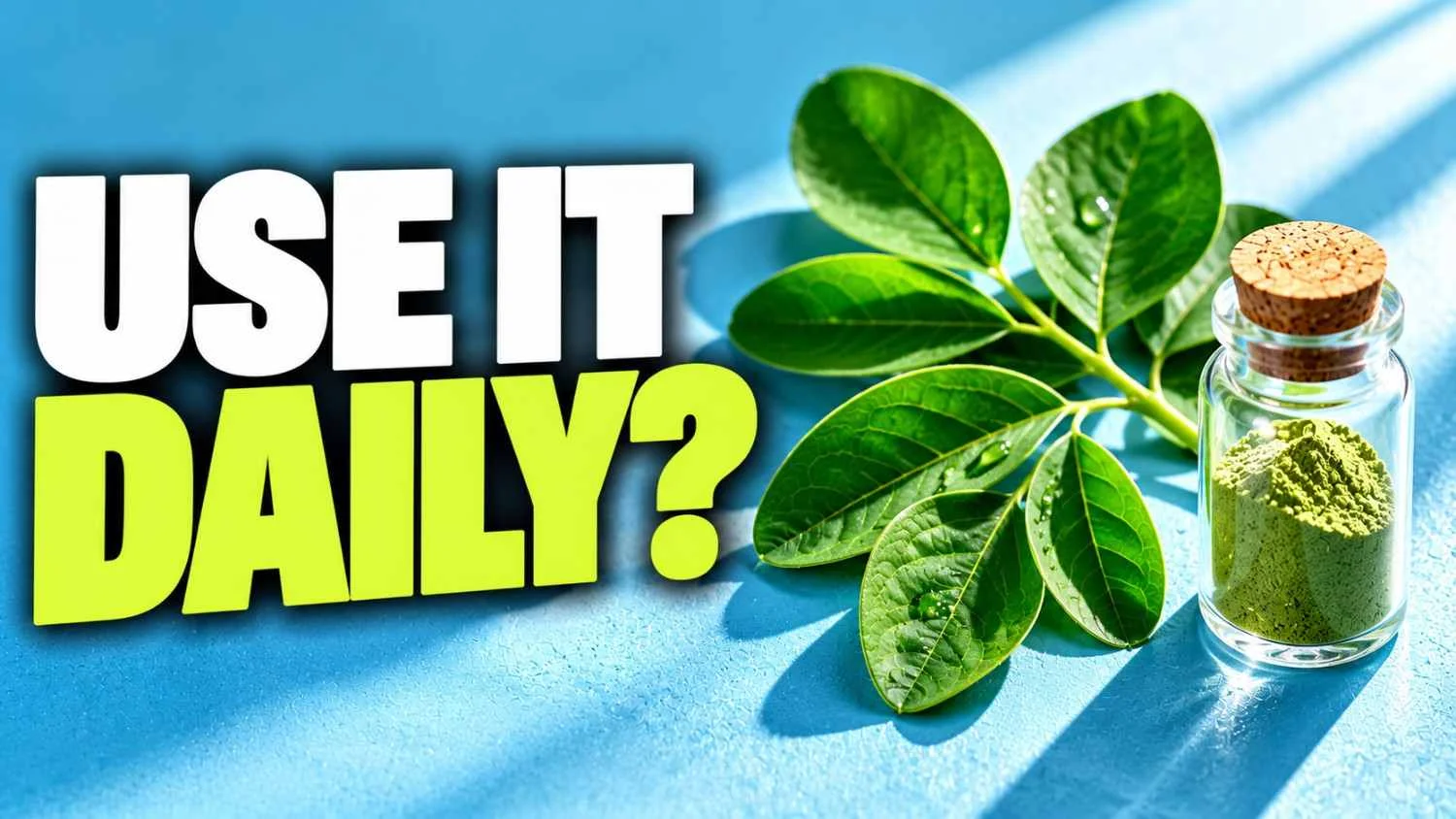
Have you ever bought a healthy food ingredient with plans to use it every day, only to wonder later whether it is actually worth adding to your diet? Moringa powder often raises that question. Made from dried moringa leaves, this green powder is easy to mix into everyday recipes, from dal and soups to smoothies. But before making it part of your routine, it helps to understand what it offers and what you should realistically expect from it.
The interest in moringa powder benefits comes mainly from the nutrients and natural plant compounds found in moringa leaves. Still, there is a difference between a food containing useful nutrients and a product being proven to improve your health. Let's look at how moringa powder can fit into everyday eating, how people commonly use it, and when a little caution is needed.
What Makes Moringa Powder Popular?
Moringa, also known as Moringa oleifera, is a tree whose leaves are used in different food traditions. The leaves can be cooked fresh or dried and ground into powder.
One reason people like the powder is convenience. You can keep it in your kitchen and add a little to a meal without washing or chopping fresh leaves. It also contains various plant nutrients and compounds, although the exact amounts depend on how the leaves are grown, processed, and stored.
That said, moringa powder is not a shortcut to good health. A spoonful cannot make up for an unbalanced diet, and it does not provide everything your body needs. Its value comes from how it fits alongside the other foods you eat.
What Are the Possible Benefits of Using Moringa Powder?
It adds another plant ingredient to your meals
Most of us have a few vegetables and recipes that appear on the menu every week. Moringa powder gives you another option to try. It contains certain vitamins, minerals, and naturally occurring plant compounds, so it may contribute to your overall nutrient intake.
How much it contributes depends on the product and the amount you use. It is best not to assume that a small serving will meet a particular nutritional requirement.
It contains compounds researchers are studying
Moringa leaves contain plant compounds such as polyphenols, which have attracted interest because of their antioxidant activity. Researchers are investigating how these compounds behave and whether they have meaningful effects on human health.
However, promising laboratory findings are not the same as proven health benefits in people. More good-quality human research is needed before many claims about moringa can be confirmed.
It can make everyday cooking a little more varied
You don't need to change your eating habits completely to try moringa powder. A small amount can be added to familiar foods, which may make it easier to use than an ingredient that requires a new recipe every time.
Its earthy, slightly bitter taste tends to work better in some savoury dishes than others. Start with a little and see whether you enjoy it.
It is convenient when fresh leaves aren't available
Fresh moringa leaves may not always be easy to find. Powder is a practical alternative for people who want to experiment with moringa in their cooking.
However, fresh vegetables still deserve a regular place on your plate. They provide water, texture, and food volume, and different vegetables offer different nutrients. Powder is a useful option, not a replacement for all your greens.
How Can You Use Moringa Powder in Everyday Food?
The easiest way to use a new ingredient is to add it to something you already know how to prepare. You don't need an elaborate recipe or a complicated morning routine.
Here are a few simple ideas:
- Mix it into dal: Add a small amount near the end of cooking and stir well.
- Try it in soup: It can be added to a vegetable soup, where its flavour blends with other ingredients.
- Blend it into a smoothie: Combine a little with fruit and yoghurt or a suitable plant-based alternative.
- Add it to chutney: Experiment with a small amount in homemade chutney and adjust the seasoning.
- Use it in savoury dishes: Try it in recipes where a mild earthy flavour works well.
Check the product label for serving and storage instructions. If you're new to moringa powder, begin with a small amount to see how it tastes in your food. Adding more isn't necessarily better.
Is Moringa Powder Better Than Fresh Vegetables?
Not necessarily. The two serve different purposes in a diet.
Think of moringa powder as one optional ingredient among many. If you already eat a variety of vegetables, fruits, pulses, and whole grains, you are building a useful foundation for a balanced diet. Moringa powder may add variety, but it is not essential for everyone.
What Does Science Actually Say?
This is where it helps to separate facts from marketing claims.
Researchers have studied moringa leaves for their nutrient content, antioxidant compounds, and possible effects on certain health markers. Some early findings are interesting, but research in laboratory settings or animals cannot tell us by itself what will happen when people consume the powder.
For many commonly advertised benefits, strong evidence from human studies is still limited. It would therefore be misleading to promise that moringa powder will control blood sugar, lower blood pressure, treat anaemia, or prevent disease.
If you are considering it because of a specific health concern, speak with a qualified healthcare professional. Don't stop prescribed medication or replace recommended treatment with a plant powder.
Is It Safe to Use Moringa Powder Every Day?
For some adults, moringa powder may be a suitable food ingredient. But daily use isn't automatically right for everyone, and the product and amount matter.
Keep these points in mind:
- Read the label. Follow the manufacturer's serving and storage instructions rather than guessing how much to use.
- Check with your healthcare professional if you take medication. This is particularly important for medicines that affect blood sugar or blood pressure.
- Get advice during pregnancy or breastfeeding. Safety can vary by preparation, so don't assume all moringa products are suitable.
- Consider existing health conditions. If you have a chronic condition or follow a prescribed diet, ask for professional advice before using it regularly as a supplement.
- Pay attention to reactions. Stop using the product and seek medical advice if you experience concerning symptoms.
Choose a product with clear ingredient information and suitable quality controls. Remember that a plant-based product is not automatically suitable for every person.
So, Should You Add Moringa Powder to Your Routine?
If you enjoy trying new ingredients, moringa powder may be worth exploring as part of your cooking. It is convenient, can be added to several familiar dishes, and contributes some plant nutrients. But you don't need to take it every day to eat well, and there is no reason to expect dramatic results from adding it to a meal.
Start with the basics: eat a variety of foods, stay physically active, get enough sleep, and seek appropriate healthcare when needed. If moringa powder fits your preferences and dietary needs, use it as an optional addition and choose products from a trusted Ayurvedic wellness brand.
Frequently Asked Questions
1. Is it necessary to take moringa powder every day?
No. Moringa powder is an optional food ingredient, not a nutritional requirement. A varied diet can provide nutrients from many different foods without it.
2. Can I add moringa powder to my breakfast?
Yes. You can try a small amount in a smoothie or another suitable breakfast recipe. Follow the product label and choose a preparation that suits your taste.
3. Can moringa powder replace fresh greens?
No. It can complement your meals, but fresh vegetables offer water, volume, texture, and different nutrients. Keep a variety of vegetables in your regular diet.
4. Does moringa powder have proven medicinal benefits?
Moringa is being studied for its nutrients and plant compounds, but evidence for many specific health claims in humans remains limited. It should not replace prescribed treatment.
5. Who should speak with a healthcare professional before using moringa powder?
People who take medication, have chronic health conditions, or are pregnant or breastfeeding should seek professional advice before using it regularly as a supplement.