Sign up with Google
 Sign in with Zoho

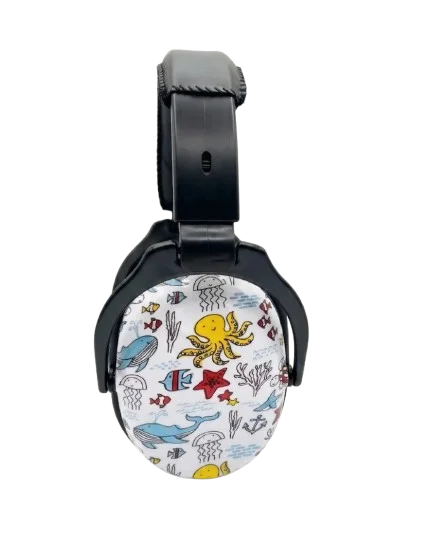
For many children, the world can feel loud in ways adults don't always notice. A vacuum cleaner, a crowded classroom, or even the hum of fluorescent lights can feel overwhelming to a child with sensory sensitivities. This is exactly why products like kids' noise-canceling ear muffs have become such a valuable tool for parents; they reduce harmful or overwhelming sound input, helping children feel calmer and more in control of their environment. But introducing a new wearable item, especially one that covers the ears, isn't always instantly welcomed. Some kids take to it right away, while others need a little more time and encouragement.
If your child feels unsure about wearing ear muffs, you're not alone, and there are practical, gentle ways to help them get comfortable. Here's a guide to making the transition smoother.
Why Some Kids Resist Wearing Ear Muffs
Before jumping into solutions, it helps to understand why a child might resist wearing ear muffs in the first place.
Sensory Discomfort
Some children are sensitive to pressure on their head or ears, and even soft, well-padded ear muffs can feel strange at first. This is a normal reaction, not a sign that the product isn't working.
Fear of Standing Out
Older kids, in particular, may worry about looking "different" in front of peers. Emotional readiness matters just as much as physical comfort.
Lack of Familiarity
Anything new can feel intimidating to a child, especially if they don't understand why they need it. Without context, ear muffs can feel like an unnecessary obstacle rather than a helpful tool.
Recognizing the root cause of resistance is the first step toward addressing it effectively.
Start With a Slow, Low-Pressure Introduction
Rushing the process often backfires. Instead, ease your child into the idea gradually.
Let Them Explore the Ear Muffs First
Before asking your child to wear them, let them hold, touch, and examine the ear muffs on their own terms. Curiosity often works better than instruction.
Practice at Home in Calm Moments
Try short wearing sessions during quiet, low-stress activities watching a favorite show or playing a familiar game. This helps your child associate the ear muffs with comfort rather than stress.
Increase Wear Time Gradually
Start with just a few minutes and slowly build up. Forcing extended wear too soon can create negative associations that are hard to undo.
Choosing the Right Fit Makes a Big Difference
Comfort plays a major role in whether a child accepts ear muffs willingly. A poor fit can cause pinching, slipping, or unnecessary pressure, all of which make kids want to take them off immediately.
Check the Headband Tension
The headband should feel snug but never tight. If it leaves marks or feels uncomfortable within minutes, it may need adjusting or sizing up.
Consider ear cup padding.
Soft, cushioned ear cups reduce pressure points and make the muffs feel more like a comfort item than a restrictive one.
Building Positive Associations
Encouraging a child to actually want to wear their ear muffs often comes down to how the experience is framed.
Turn It Into a Routine
Incorporate ear muffs into predictable parts of the day during car rides, homework time, or before entering a noisy environment. Predictability builds comfort.
Use Positive Reinforcement
Simple praise or small rewards for wearing ear muffs during challenging moments can go a long way in building a positive relationship with the item.
Model Calm Behavior
Children often take emotional cues from parents. If you introduce the ear muffs calmly and confidently, your child is more likely to mirror that same sense of ease.
Pair With Other Calming Sensory Tools
For children who experience broader sensory sensitivities, ear muffs are often just one part of a larger comfort toolkit. Using calming tools like these together can help create a more consistent, sensory-friendly routine both during the day and at night.
Patience Is Part of the Process
Every child adjusts at their own pace. Some may accept ear muffs within days, while others may take weeks of gradual exposure before feeling fully comfortable. What matters most is consistency, patience, and a willingness to adjust your approach based on your child's individual needs.
By understanding the reasons behind resistance, choosing a comfortable and well-fitted product, and reinforcing positive experiences, you can help your child build a lasting, positive relationship with their ear muffs, making noisy environments feel a little less overwhelming and a lot more manageable.