Sign up with Google
 Sign in with Zoho

A customer in Pune messages your Instagram page at 9 PM asking about a return. Two days later, she calls your support number about the same return, and the person on the phone has no idea the conversation ever happened. She has to explain everything again, from scratch, for the second time.
If that sounds familiar, your business isn't running omnichannel communication. It's running a collection of channels that happen to share a logo.
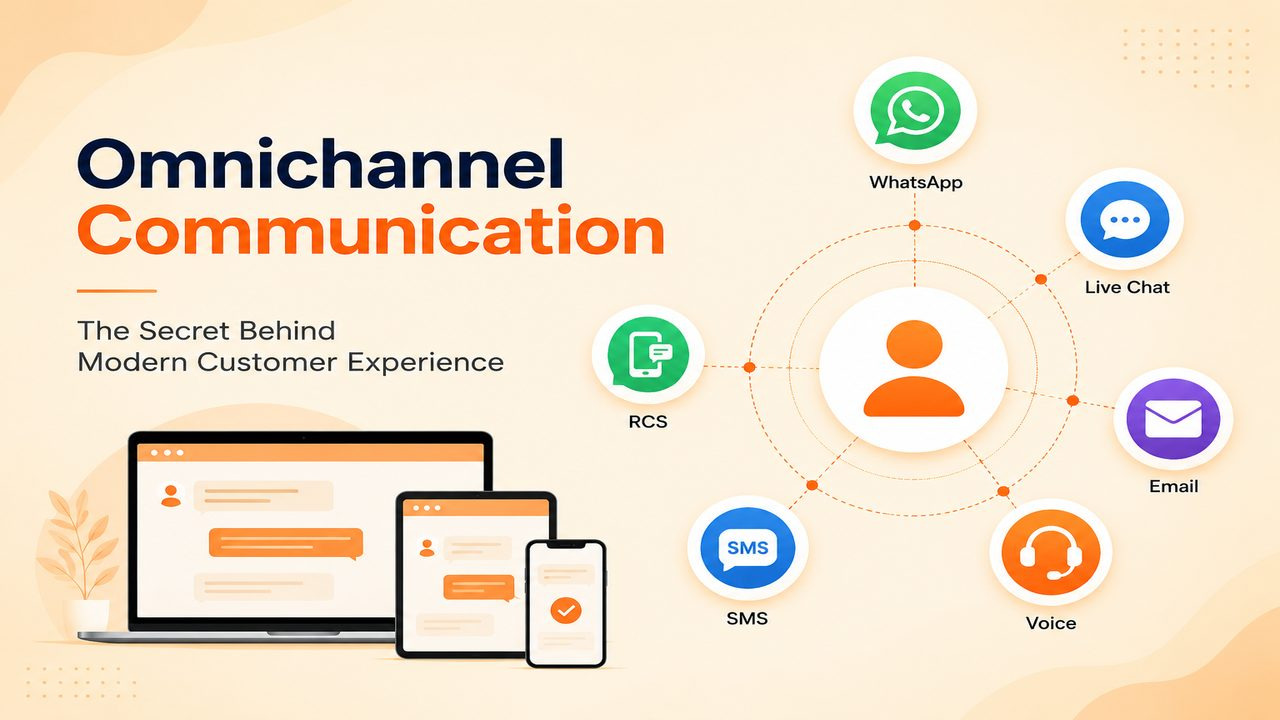
Omnichannel communication is the practice of treating every channel WhatsApp, SMS, email, voice, live chat as part of one connected conversation rather than separate silos. The customer doesn't experience your business as five different tools. They experience it as one brand that remembers what they said yesterday.
For business owners, startups, ecommerce sellers, financial services companies, and healthcare providers alike, this shift isn't a luxury anymore. It's quickly becoming the baseline expectation. Customers who switch between a dozen apps a day expect your business to keep up with them across those same apps.
This piece breaks down what omnichannel customer communication actually means, why it's reshaping customer experience across industries, and how businesses of every size are building it using modern omnichannel communication platform infrastructure.
Multichannel vs. Omnichannel: A Distinction That Actually Matters
Most businesses believe they're already doing omnichannel communication because they're present on WhatsApp, email, and phone. That's multichannel, and it's a good start but it isn't the same thing.
Multichannel means each channel works on its own. Your support team checks WhatsApp in one tab, email in another, and call logs in a separate system. If a customer reaches out on two channels about the same issue, your team has no way of knowing unless the customer mentions it themselves.
Omnichannel communication connects those channels into a single thread per customer. The WhatsApp message from Tuesday, the SMS sent on Wednesday, and the phone call on Thursday all live under one customer profile, visible to whoever picks up the conversation next.
This is the difference between cross-channel communication that happens to exist, and a connected customer journey that's actually designed.
For a small business, this might look as simple as a unified inbox where every messaging channel routes into one dashboard. For a larger financial services company, it might mean a customer's loan application update arrives consistently whether they check it through an app notification, an SMS, or a call to support, with all three reflecting the exact same information at the exact same time.
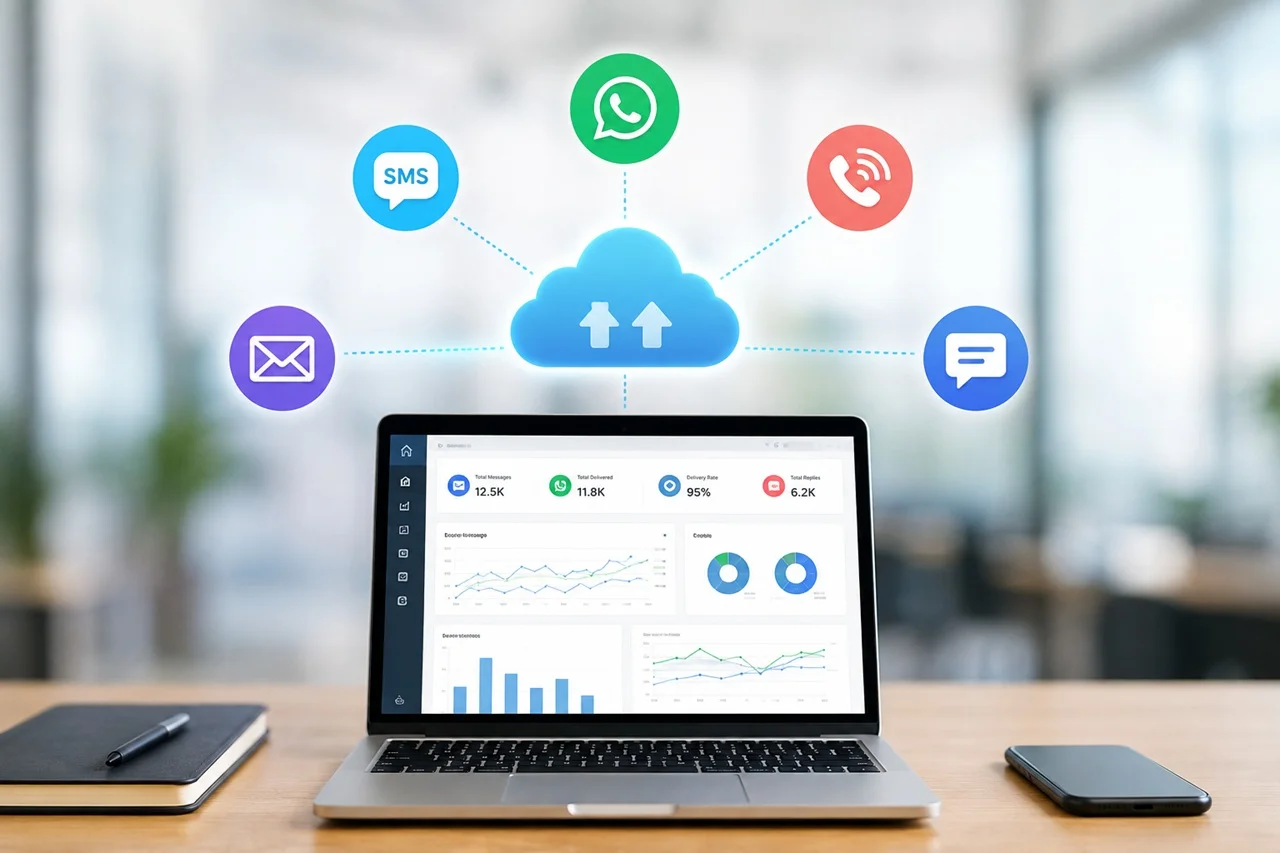
The technology that makes this possible is usually described as an omnichannel communication platform, built on top of a broader CPaaS platform India infrastructure that already handles the individual channels WhatsApp Business API, RCS Business Messaging, SMS API, Voice API and simply adds the connective layer on top.
Why Customer-First Communication Has Become the Baseline, Not the Bonus
A few years ago, "good customer service" mostly meant answering the phone quickly. Today, customer-first communication means something broader: being available on the channel the customer prefers, responding with context, and never making them repeat themselves.
This shift shows up differently depending on the industry.
In ecommerce, customer interactions now happen across at least three channels before a single purchase completes a product question on Instagram, a cart reminder over WhatsApp, and an order confirmation by SMS. If those touchpoints feel disconnected, brand trust takes a hit before the sale is even finalized.
In financial services, customer touchpoints carry extra weight because they often involve money and personal data. A customer expects a fraud alert SMS, a follow-up call, and an in-app message to all tell a consistent story. When they don't, it doesn't just feel disorganized it raises real concerns about whether the institution is secure.
In healthcare, appointment reminders, prescription updates, and follow-up check-ins increasingly happen across SMS, WhatsApp, and voice calls. For clinics and hospitals managing high patient volumes, personalized communication at this scale is only realistic with automation behind it, not a receptionist manually sending each message one by one.
And for startups and small businesses generally, customer retention is often won or lost in these small, unglamorous moments did the reminder arrive on time, did the support reply reference the previous conversation, did the follow-up feel like it came from a business that remembers you. Omnichannel customer communication is what makes that consistency possible without hiring a much larger team.
The Channels That Make Up a Modern Omnichannel Communication Platform
Before any of this connects together, each individual channel needs to work well on its own. Here's what typically sits underneath an omnichannel communication platform.
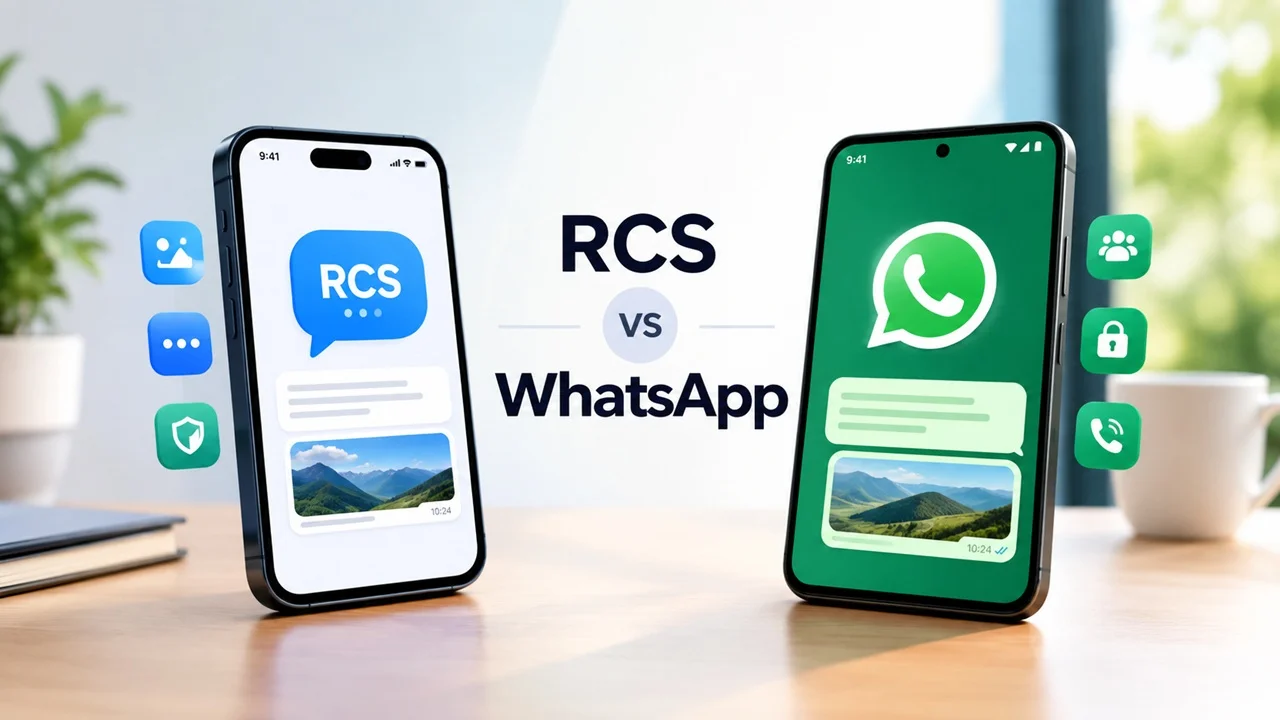
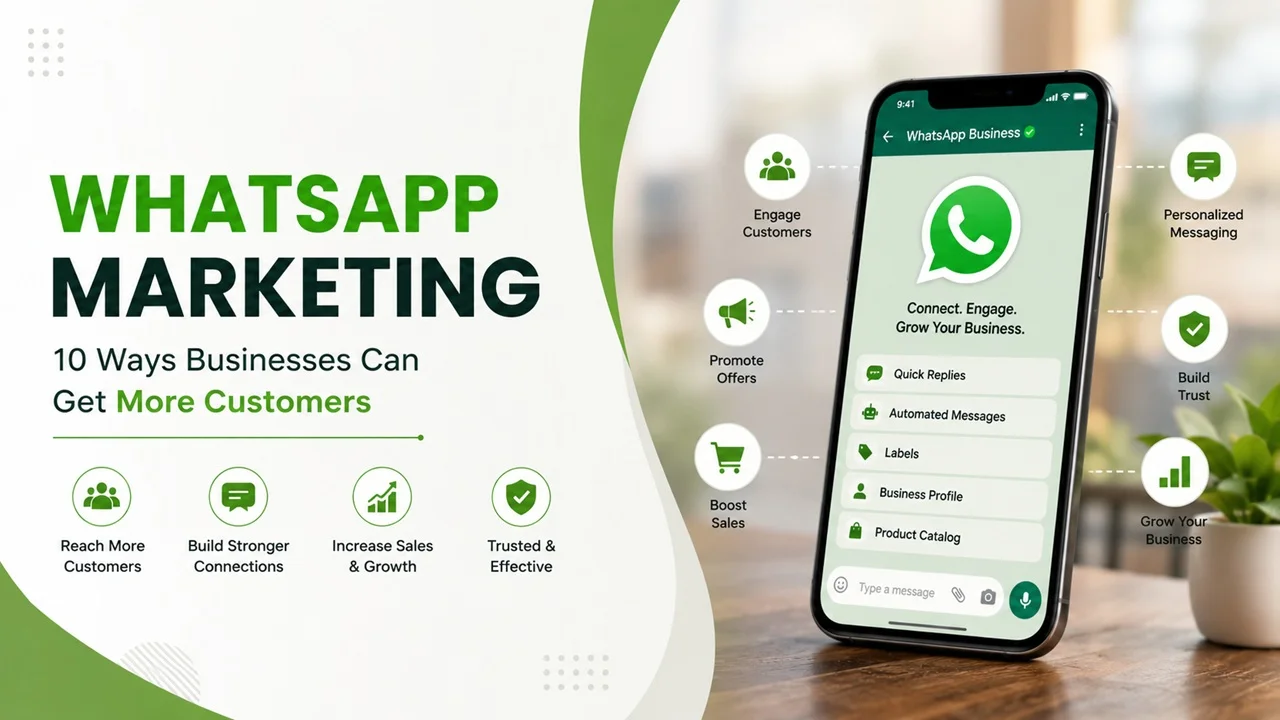
WhatsApp Business API has become the anchor channel for most consumer-facing businesses in markets like India, where WhatsApp adoption is extremely high. It supports automated order updates, rich media messages, and verified branding, making it a natural home for both transactional updates and conversational support.
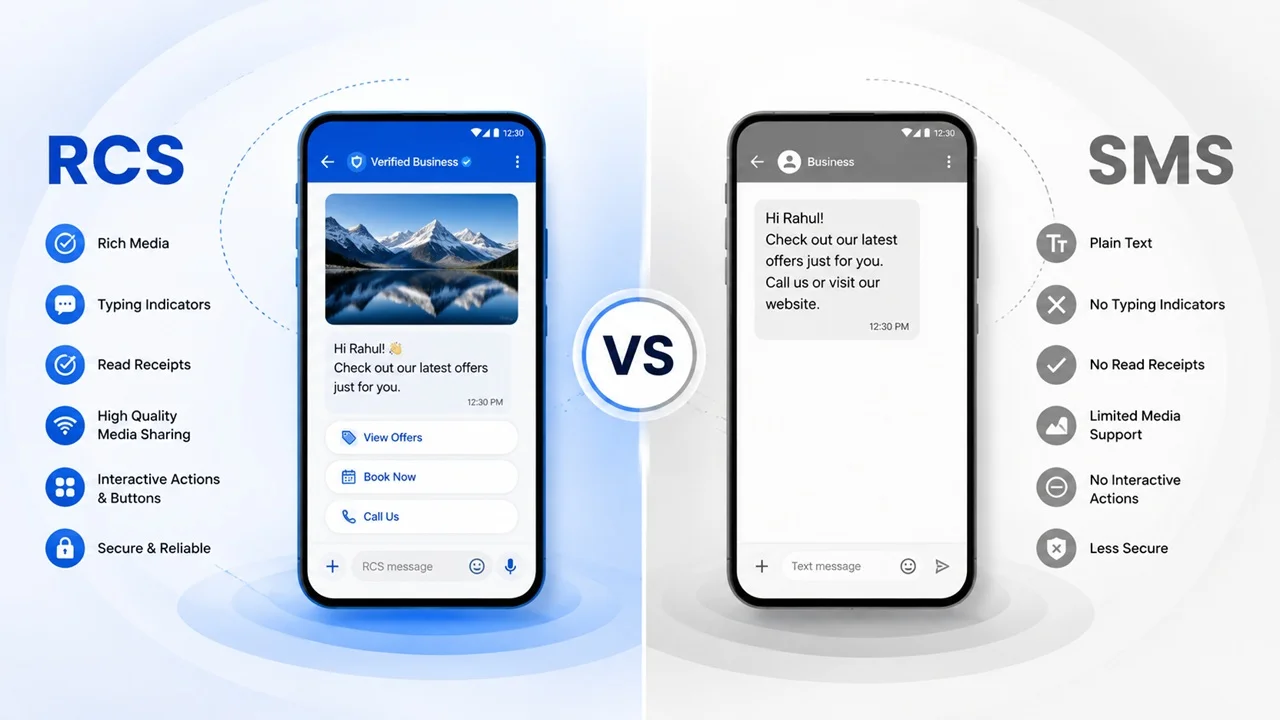
SMS API, often built on a broader messaging API platform, remains the most universally reliable channel, particularly for time-sensitive messages like OTPs, delivery updates, and appointment confirmations. Even customers who rarely open WhatsApp or email almost always read an SMS.
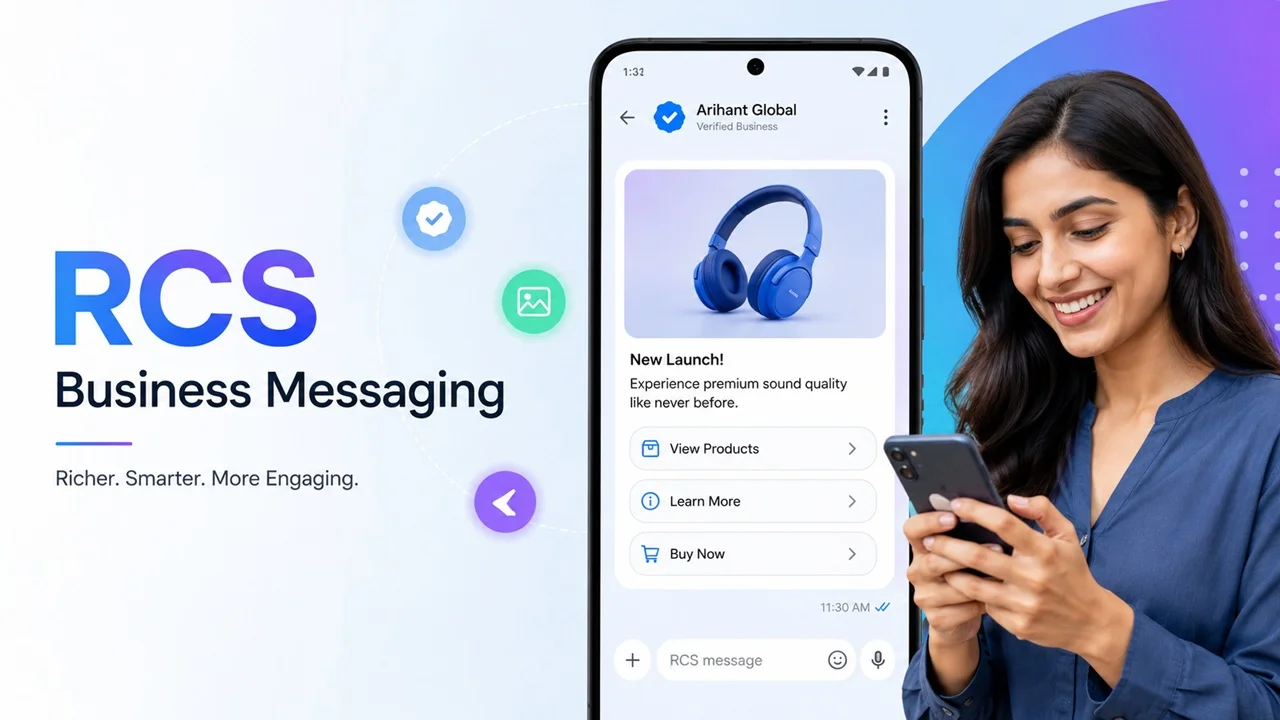
RCS Business Messaging is the newer addition, bringing rich cards, carousels, and interactive buttons to standard texting without requiring a separate app. As telecom operators expand RCS support, it's becoming a meaningful upgrade path for businesses that want richer messaging channels without depending entirely on WhatsApp.
Voice API covers everything from automated outbound calls and IVR systems to click-to-call buttons that connect website visitors directly to a sales or support line useful for businesses where a quick phone conversation closes more deals than a form ever will.
Live chat and email communication round out the stack for businesses that need a web-based touchpoint or formal written correspondence, particularly relevant for financial services and B2B companies where documentation matters.
Individually, each of these channels solves a specific problem. The shift toward omnichannel communication happens when a business stops managing these as five separate tools and starts running them through a single CPaaS platform India provider that unifies reporting, automation, and customer history across all of them. That's the difference between having communication tools and having a true communication workflow.
How Omnichannel Communication Powers the Connected Customer Journey
The real value of omnichannel communication becomes obvious when you map out an actual customer journey rather than thinking about channels in isolation.
Take a typical ecommerce order. A customer browses your website, abandons their cart, and receives a WhatsApp reminder a few hours later. They complete the purchase and get an SMS confirmation with their order ID. A day later, a shipping update arrives via WhatsApp again. If they have a question about delivery, they message your support number, and whoever responds can see the entire history the abandoned cart, the order, the shipping update in one place, without asking the customer to repeat anything.
That's six touchpoints across two channels, but to the customer, it feels like one ongoing conversation with a business that's paying attention.
This connected approach also strengthens sales engagement. A lead who downloads a brochure can receive a follow-up SMS, then a WhatsApp message with a case study, then a call from sales all logged against the same profile, so the sales team walks into that call already knowing what the lead has seen and clicked.
Across the customer lifecycle, from first contact to post-purchase support, this consistency is what separates a brand that feels considerate from one that feels like a maze of disconnected departments.
AI Chatbots and Automation: Where Omnichannel Communication Is Heading
The next layer on top of omnichannel communication is automation, and increasingly, conversational AI.
An AI chatbot connected to your WhatsApp Business API or website live chat can handle a large share of repetitive questions instantly what are your hours, where's my order, do you ship to this pincode in multiple languages, at any time of day. For small businesses, this is often the single biggest practical benefit, because it reduces the load on customer support without requiring a 24/7 team.
But automation goes further than answering questions. Business automation rules can trigger entire sequences based on customer behaviour. A cart abandonment can trigger a WhatsApp reminder, followed by an SMS discount code if there's still no response. A new lead can automatically receive a welcome message, then a follow-up two days later if they haven't engaged.
These conversational experiences feel personal to the customer, even though they're largely automated, because the messages arrive on the right channel, at a sensible time, and reference real customer actions rather than generic blasts.
For financial and healthcare businesses, automation also supports compliance-related communication sending required disclosures, appointment confirmations, or payment reminders consistently and on schedule, without relying on someone remembering to do it manually.
Importantly, none of this requires a large technical team. Most CPaaS platform India providers offer rule-based automation builders and AI chatbot tools as part of the platform itself, meaning a small business can set up fairly sophisticated automated communication without hiring developers.
Real Businesses, Real Use Cases
For a D2C fashion brand, omnichannel communication might mean WhatsApp order confirmations, SMS delivery updates, and an AI chatbot that handles size and return questions freeing up the founder to focus on sourcing and marketing instead of answering the same five questions all day.
For a fintech startup, it might mean SMS-based OTPs for login, WhatsApp notifications for transaction alerts, and voice calls for high-value account verification, all tracked under one customer record for compliance and audit purposes.
For a multi-location healthcare clinic, it could mean automated appointment reminders by SMS, WhatsApp follow-ups after a visit, and voice call reminders for patients who haven't confirmed, reducing no-shows without adding administrative staff.
For a B2B SaaS startup, it might look like email for formal communication, WhatsApp for quick account manager check-ins, and a live chat widget on the website that hands off to the sales team with full context already attached.
In every case, the channels themselves aren't new. What's different is that they're connected, automated where it makes sense, and built around real mobile messaging and voice communication behaviour rather than the business's internal department structure. This is what a genuine communication ecosystem looks like in practice not five tools, but one experience.
Getting Started: Building Your Own Omnichannel Communication Workflow
If your business is currently managing WhatsApp, SMS, and calls as separate tools, the path toward omnichannel communication doesn't have to mean ripping everything out and starting over.
Start by identifying where your customers actually are. Most businesses find that two or three channels cover the vast majority of customer interactions, so there's no need to set up everything at once.
Next, look for a CPaaS provider in india that can bring those channels under one dashboard, with a shared customer history and CRM integration so your sales, support, and marketing teams aren't working from different versions of the truth.
Then add automation gradually. A simple order confirmation flow or an AI chatbot for FAQs is often enough to free up meaningful time, before moving on to more advanced journeys like cart recovery sequences or marketing automation flows for lead nurturing.
The goal isn't to use every channel for everything. It's to make sure that whichever channel a customer chooses, the conversation continues smoothly from wherever it left off, building a consistent brand experience with every message.
The Bottom Line
Omnichannel communication isn't really about adding more tools. It's about making sure the tools you already use talk to each other and more importantly, that your customers feel like they're talking to one business, not five disconnected departments wearing the same logo. That, ultimately, is what modern customer experience and lasting customer engagement are built on, and it's the exact gap that platforms like Arihant Global are built to close for businesses across India.
Frequently Asked Questions -
1. What is omnichannel communication?
Omnichannel communication connects every channel a business uses WhatsApp, SMS, email, voice, and live chat into a single conversation thread per customer, so an interaction continues seamlessly no matter which channel the customer switches to next.
2. What is the difference between omnichannel and multichannel communication?
Multichannel means a business is present on several channels, but each operates independently with no shared history. Omnichannel connects those same channels so every interaction, regardless of channel, is visible in one place and feels like a single ongoing conversation.
3. What is an example of omnichannel communication?
A common example is an ecommerce order: a WhatsApp cart reminder, an SMS order confirmation, a WhatsApp shipping update, and a support reply that references all three all tied to one customer profile instead of existing as separate, disconnected messages.