Sign up with Google
 Sign in with Zoho

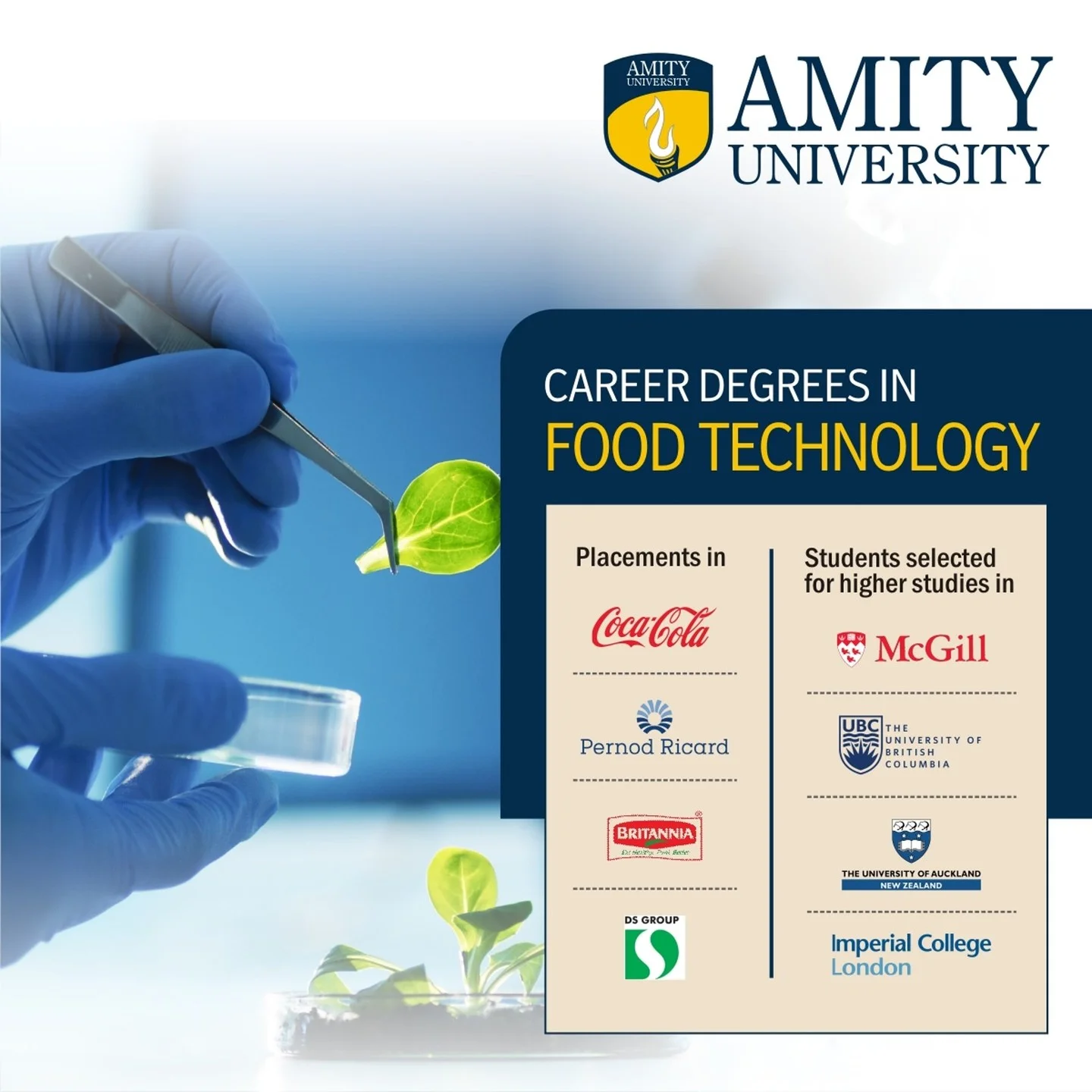
Food is no longer just about taste; it is about safety, innovation, and sustainability. A B.Sc in Food Technology introduces students to the science behind how food is processed, preserved, and delivered to consumers. The course usually spans three years and blends theory with hands-on lab work, helping students understand real industry practices.
Students who enjoy biology, chemistry, and problem-solving often find this field engaging. Those curious about packaged foods, nutrition, and quality standards can build a strong foundation here. When evaluating the food technology scope, it becomes clear that this field connects science with everyday life in a meaningful way.
Eligibility Criteria, Duration, and Admission Process
Choosing the right course begins with understanding the entry requirements, time commitment, and how the admission journey works. This clarity helps students plan ahead, align their academic preparation, and avoid last-minute confusion during applications. A structured overview of eligibility, duration, and admission steps ensures that students can move forward with confidence.
- Eligibility
To apply for this program, students must complete 10+2 with Physics, Chemistry, and Biology or Mathematics. At Amity University Mohali, most science-based programs typically require around 50 to 60 percent marks in Class XII, depending on the subject combination. This aligns with industry expectations for foundational scientific knowledge.
- Duration
The course duration is typically three years (36 months), structured across six semesters with a balanced combination of theory, laboratory work, and applied learning. At Amity University Mohali, the B.Sc (Hons) Food Science Technology and Processing program follows a full-time format designed to build both conceptual clarity and practical expertise.
In addition to the standard three-year program, students may also have the option to pursue research-oriented or integrated pathways, such as extended four-year honours with research or five-year integrated programs, allowing deeper academic specialization and advanced subject exposure.
The structure ensures that students progress from foundational subjects to advanced applications, while also gaining exposure to industry-relevant skills through projects, lab work, and research-based learning.
- Admission Process
Admission processes may include merit-based selection or entrance-based evaluation. At Amity University Mohali, students apply through an online process where academic performance is assessed along with eligibility criteria. Early application helps students secure seats in preferred programs and ensures smoother admission planning.
Program Overview: Curriculum, Fees, and Skill Integration
The B.Sc. Food Technology at Amity University Mohali is a rigorous blend of core scientific principles and practical industrial applications. By aligning its academic structure with high-growth fields like Biotechnology and Nutrition, the program ensures a comprehensive learning experience.
1. Academic Framework & Curriculum
The curriculum is systematically divided into foundational sciences and specialized technology modules:
- Foundation: Strong grounding in Food Chemistry, Microbiology, and Biochemistry.
- Applied Tech: Hands-on training in Food Processing, Packaging Technology, and Quality Control.
- Lab-Centric Learning: A heavy emphasis on lab-based modules to mirror the requirements of professional research and development environments.
2. Investment & Value (Fee Structure)
- Annual Fees: Generally range from INR 80,000 to INR 2,50,000 depending on the specific campus and the level of advanced infrastructure provided.
- ROI Focus: Programs at the higher end of the range typically offer superior lab facilities, global research exposure, and specialized placement support, which are critical for career readiness in the 2026 job market.
3. Core Skill Development
Through a combination of classroom theory and practical immersion, students master:
- Technical Proficiency: Laboratory techniques and analytical quality evaluation.
- Research & Compliance: Professional research documentation and adherence to global food safety standards.
- Strategic Thinking: Problem-solving and analytical skills tailored for high-pressure food production environments.
Career Opportunities and Salary Trends in Food Technology
Graduates can explore a wide range of roles across industries. Common job profiles include food technologist, quality control analyst, food safety officer, and research assistant. The demand for professionals in this sector continues to grow due to increasing focus on food safety regulations and packaged food consumption.
Entry-level salaries typically range between INR 8 to 10 LPA, while experienced professionals can earn higher based on specialization and domain expertise. Placement trends often indicate opportunities in food manufacturing companies, regulatory organizations, and research institutions. The expanding food technology scope ensures that students have access to diverse and evolving career pathways.
For those exploring food tech careers, opportunities also extend into product innovation, quality auditing, supply chain management, and higher education such as M.Sc in Food Science or related fields.
Why Consider Amity University Mohali for B.Sc Food Technology
- Aligned curriculum: Follows strong science foundations similar to Biotechnology and Nutrition programs.
- Advanced labs: Modern facilities for Food Chemistry, Microbiology, and Food Engineering with hands-on training.
- Innovation focus: Emphasis on product development and real-world food industry applications.
- Research-driven learning: Encourages projects and experimental work to build analytical thinking.
- Global exposure: Insight into international food safety standards and industry practices.
- Placement support: Career guidance and structured assistance for smooth job transitions.
- Modern campus: Well-equipped environment supporting both academic and overall growth.
Conclusion
A B.Sc in Food Technology offers a structured pathway into a field that blends science, innovation, and real-world impact. From understanding food safety to developing new products, students gain both technical knowledge and practical skills. The food technology scope continues to expand with industry demand, making it a relevant choice for future-focused careers.
Students should evaluate eligibility, curriculum structure, and career outcomes before applying. A clear understanding of course expectations and institutional strengths helps in making informed academic decisions.
If you are planning to build a career in this field, applying to Amity University Mohali can help you understand how the course aligns with your long-term goals.
FAQs
1. What is the scope of food technology in the future?
The food technology scope is expanding rapidly with growing demand in food safety, processing, and innovation across global markets.
2. What are the eligibility criteria for B.Sc Food Technology?
Students must complete 10+2 with Physics, Chemistry, and Biology or Mathematics with at least 50 percent marks.
3. What jobs can I get after B.Sc Food Technology?
Graduates can work as food technologists, quality analysts, food safety officers, or research assistants in various industries.
4. What is the average salary after B.Sc Food Technology?
Entry-level salaries typically range from INR 8 to 10 LPA depending on skills, role, and organization.
5. Is B.Sc Food Technology a good career option?
Yes, it offers strong career growth, diverse job roles, and increasing industry demand in the food sector.