Sign up with Google
 Sign in with Zoho


Communication is the lifeblood of human connection, business, and global collaboration. Yet, despite living in an increasingly interconnected world, language barriers and heavy accents can still lead to miscommunication. Whether you are running a global customer support team, producing podcasts, or participating in international Zoom meetings, clarity is paramount.
Enter the next frontier of audio technology: AI voice harmonizer software and AI accent neutralization. These cutting-edge tools are reshaping how we speak, listen, and understand one another across digital channels.
Let’s dive into how these technologies work, why they are gaining momentum, and what they mean for the future of voice clarity.
What is AI Accent Neutralization?
Accent neutralization isn't about erasing a person’s cultural identity or heritage. Instead, in a professional context, AI accent neutralization refers to the real-time processing of speech to make pronunciation clearer and easier to understand for diverse, global audiences.
Traditional accent reduction required months or even years of speech coaching. Today, AI-powered software can adjust cadence, pronunciation, and phonetic emphasis on the fly—often with just milliseconds of latency.
By smoothing out regional variations that might confuse listeners from other parts of the world, AI accent voice clarity ensures that the core message takes center stage. The speaker still sounds like themselves, but their delivery is optimized for cross-cultural comprehension.
The Power of AI Voice Harmonizer Software
While accent neutralization focuses on pronunciation and intelligibility, AI voice harmonizer software deals with the sonic quality of the voice itself.
In the past, achieving broadcast-quality audio required expensive studio microphones, sound-dampened rooms, and extensive post-production editing. Voice harmonizers powered by artificial intelligence have democratized high-end audio. Here is what they can do:
- Noise and Artifact Removal: AI can instantly distinguish between a human voice and background distractions (like traffic, barking dogs, or keyboard clacking) and eliminate the noise without making the voice sound robotic.
- Tone and Pitch Balancing: If a speaker’s voice fluctuates wildly in volume or pitch—often caused by nervousness or poor microphone placement—harmonizer software evens out the frequencies for a smooth, pleasing listening experience.
- Timre Enrichment: The software can subtly enhance the warmth, depth, and clarity of a speaker's voice, making virtual calls sound as crisp as an in-person conversation.
Why This Technology Matters Now
The shift toward remote work and globalized business has created an unprecedented demand for better audio tools. Here is why AI-driven voice technology is becoming a staple in various industries:
1. Elevating Customer Support Experiences
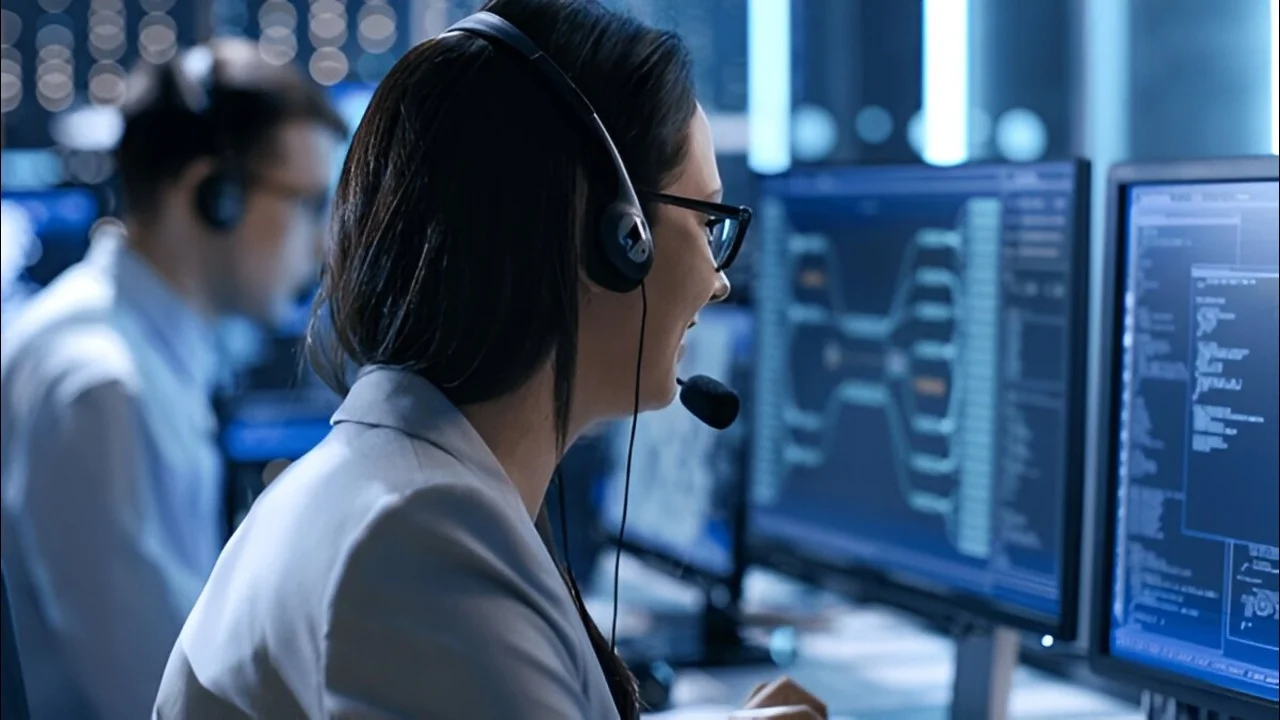
Call centers handle millions of interactions daily. When customers struggle to understand support agents—or vice versa—frustration mounts, and handle times increase. Implementing real-time accent neutralization and voice harmonization helps reduce misunderstandings, leading to higher customer satisfaction scores and less stress for agents.
2. Empowering Remote and Global Teams
Global companies often struggle with asynchronous communication and virtual meetings where heavy accents or poor audio quality obscure important points. With AI voice tools, multinational teams can collaborate more seamlessly, ensuring that everyone’s ideas are heard and understood equally, regardless of where they are dialing in from.
3. Transforming Content Creation and Media
Podcasters, filmmakers, and audiobook narrators are constantly looking for ways to improve output quality while saving time. AI voice harmonizers allow creators to achieve studio-quality vocal tracks even when recorded on standard equipment in less-than-ideal environments. Furthermore, content creators can adapt their content for broader global audiences without losing the emotional nuance of their original performance.
Ethical Considerations and the Human Element
As with any powerful AI technology, conversations around ethics are vital. Critics often ask: Does accent neutralization promote cultural homogenization?
Developers and ethicists emphasize that these tools should be used as opt-in aids for clarity, rather than mandatory filters. The goal is accessibility, not conformity. When used respectfully, AI voice technology empowers individuals to choose how they want to present themselves in professional and global arenas, bridging gaps rather than erasing diversity.
The Road Ahead
We are only scratching the surface of what is possible. As machine learning models become more sophisticated, we can expect even lower latency, greater emotional intelligence in AI speech patterns, and deeper integration into everyday communication platforms like Microsoft Teams, Zoom, and Google Meet.
The future of communication is clear, frictionless, and inclusive. By combining the vocal enhancement of AI voice harmonizer software with the global accessibility of AI accent neutralization, technology is ensuring that what you have to say matters much more than how you say it.