Sign up with Google
 Sign in with Zoho

A patch of wildflowers beside a footpath may seem insignificant, yet it can provide food for bees, shelter for insects, and seeds for future growth. Across the natural world, countless small interactions help ecosystems survive. Unfortunately, urban development, intensive agriculture, and expanding industries have reduced many creatures' living spaces. Rewilding offers a different approach: giving damaged landscapes an opportunity to recover and supporting the life they sustain.
Unlike conventional landscaping, which often emphasizes neatness and control, rewilding allows ecological processes to play a greater role. Projects may involve rehabilitating marshes, protecting indigenous vegetation, reconnecting fragmented habitats, or allowing neglected land to develop naturally. The goal is to create conditions in which plants and animals can flourish with less human interference.
Environmental conservation is often discussed through statistics, scientific studies, and reports. Although this information is valuable, creative writing can introduce these subjects in a more accessible way. An enchanting woodland, a threatened species, or a landscape transformed by human activity can give readers a reason to think about real-world environmental challenges.
Fantasy literature provides an especially imaginative setting for exploring humanity's relationship with the planet. Natural surroundings can influence a character's choices, create obstacles, and communicate ideas about responsibility toward other living things.
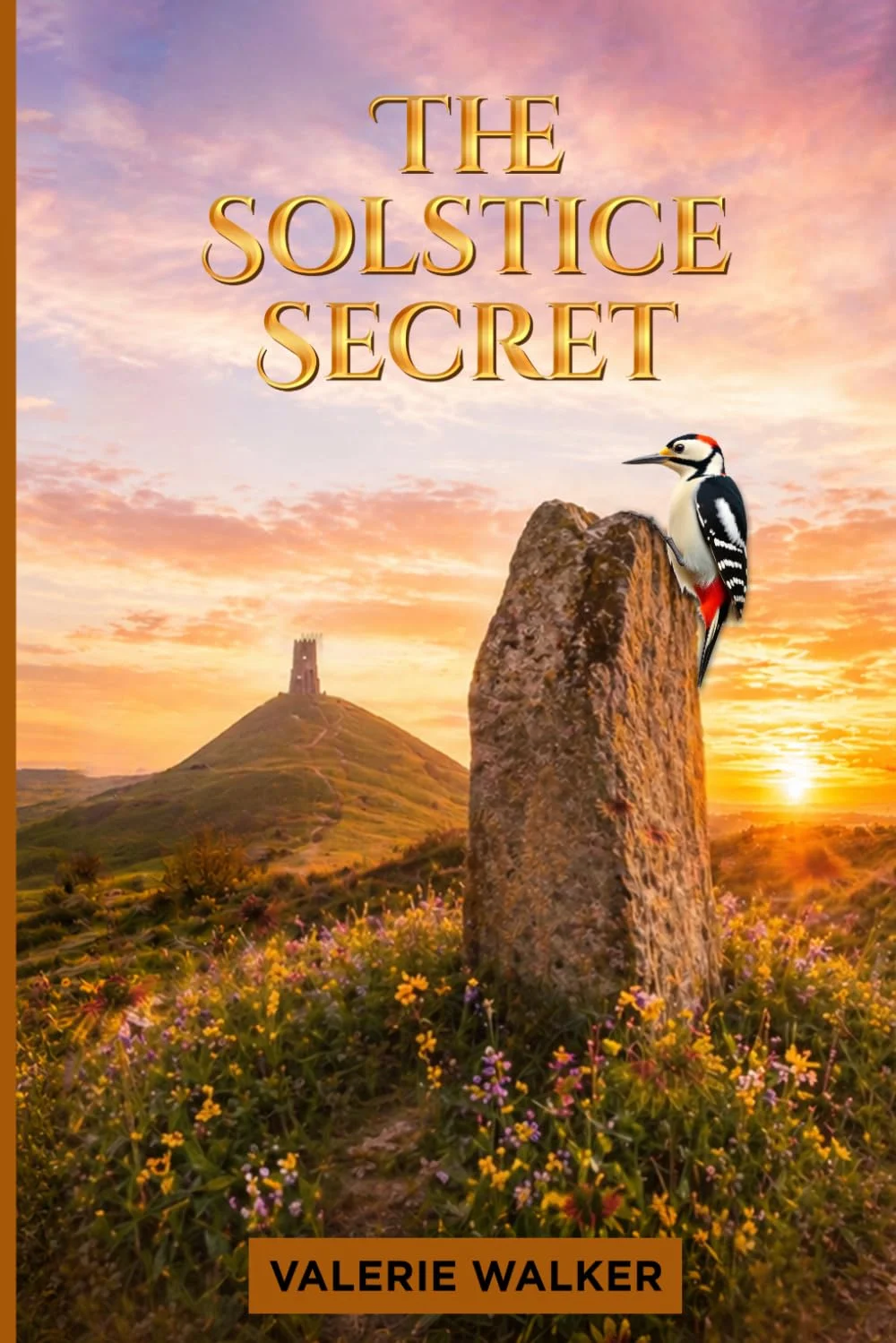
Valerie Walker's The Solstice Secret can serve as a starting point for discussing the relationship between storytelling and environmental awareness. Readers interested in the book may also wish to explore broader questions about protecting habitats and maintaining a healthy balance between human activity and the natural world. Any specific connection to the novel's plot should be checked against its actual contents.
Fiction can encourage people to notice things they might otherwise overlook. Someone fascinated by a fictional forest could become curious about nearby woodlands. Another reader might begin identifying butterflies in a garden or learning which trees are native to their area. Such discoveries can turn an enjoyable reading experience into an opportunity for learning.
Simple Ways to Encourage Wild Growth
Environmental action does not always begin with a national park or a major restoration scheme. A residential garden, an unused corner of a schoolyard, or a shared community space can also support local biodiversity.
Choosing flowers suited to the local climate can attract pollinators during the flowering season. Native shrubs provide cover for small animals, while established trees offer nesting places for birds. Leaving a section of green space unmown may create opportunities for wild plants to grow and insects to find shelter.
Chemical treatments also deserve consideration. Using pesticides only when genuinely necessary can reduce harm to beneficial organisms. Meanwhile, community clean-ups, volunteer planting days, and local wildlife surveys help residents become more familiar with the habitats around them.
Every location has different ecological needs, so there is no single method that works everywhere. Successful restoration requires an understanding of the land, the species already present, and the changes that would benefit the local environment.
Building a Future Where Wildlife Belongs
Rewilding encourages a shift in perspective. Instead of viewing every unmanaged area as neglected, we can ask whether it might provide valuable resources for living creatures. A stretch of vegetation along a walking trail, for instance, could become a corridor connecting separate habitats.
This approach does not require people to abandon cities or modern conveniences. Thoughtful planning can accommodate both human needs and ecological health. Parks, gardens, ponds, and roadside planting schemes can contribute to a network of greener spaces when designed with local wildlife in mind.
The relationship between imagination and environmental responsibility also deserves attention. Nature-focused fiction can prompt readers to question how people treat the land and what might happen when natural resources are overlooked. Books such as The Solstice Secret provide a possible entry point for readers who want to explore these ideas through literature.
Ultimately, restoring the environment involves patience, observation, and informed decisions. Progress may begin with protecting an existing habitat, planting suitable vegetation, or allowing a small area to regenerate. When such efforts are adapted to local conditions, they can help create more welcoming surroundings for a variety of species.
A healthier relationship with nature starts when we recognize that green spaces are not merely decoration. They are living environments with their own needs and rhythms. By making thoughtful choices about the land we share, we can give wildlife more opportunities to survive and help natural systems become more resilient.