Sign up with Google
 Sign in with Zoho

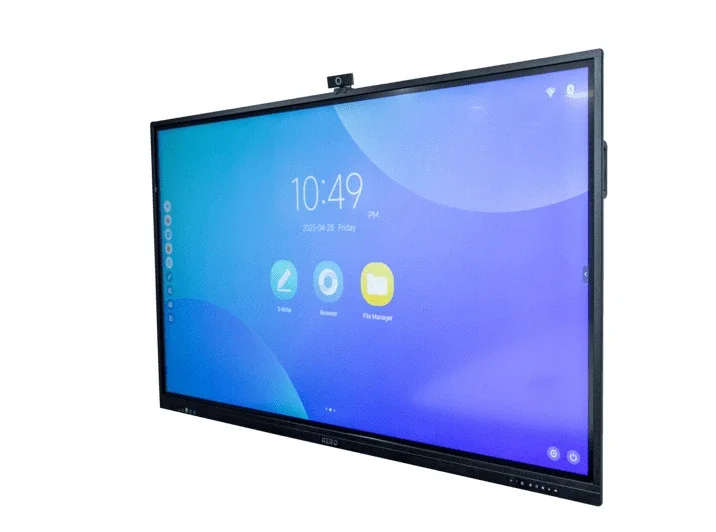
Walk into most modern classrooms, training centers, or corporate meeting rooms today, and you'll notice something different. The old whiteboard or projector setup is slowly being replaced by a single interactive screen that does far more than display content. This shift is largely driven by the rise of the Interactive Flat Panel Display, better known as IFPD, a technology that is quickly becoming a standard tool for teaching, training, and business collaboration across the country.
As digital adoption grows in schools, colleges, and offices, IFPD India has moved from being a niche upgrade to a practical necessity. Institutions and businesses alike are realizing that a good interactive flat panel display isn't just a screen, it's a tool that changes how people teach, present, and work together.
Why IFPDs Are Becoming Popular in India
The demand for smart classroom and digital presentation tools has grown steadily over the past few years, and IFPDs sit right at the center of that trend. Teachers want a way to make lessons more engaging without juggling multiple devices. Businesses want meeting rooms that support quick screen sharing and real-time collaboration, especially with hybrid work still common.
An IFPD solves both problems in one device. It combines a large touchscreen display with built-in software for writing, drawing, presenting, and connecting to laptops or mobile devices, all without the clutter of separate projectors, screens, and cables.
Key Benefits of an Interactive Flat Panel Display
The biggest advantage of an interactive display is engagement. Students pay closer attention when a lesson involves touch, movement, and visuals rather than static slides. Teachers can annotate directly on the screen, pull up videos, or run quick quizzes, all of which support better interactive learning.
In a business setting, the same features translate into smoother meetings. Screen sharing becomes instant, notes taken during discussions can be saved or emailed immediately, and remote participants can follow along more easily through video conferencing integrations. Whether it's a classroom or a boardroom, the core benefit remains the same: less time spent managing equipment, more time spent actually communicating.
What to Look for in an IFPD Solution
Not all touchscreen displays are built the same, so it helps to know what to check before buying. Display quality matters first, since a dull or poorly lit panel can strain the eyes during long lessons or presentations. Touch responsiveness is equally important; a laggy or inaccurate touchscreen makes writing and navigation frustrating.
Connectivity options also deserve attention. A good IFPD Solution India buyers can rely on should support multiple input methods, wireless casting, and compatibility with commonly used software rather than locking users into one ecosystem. Durability and build quality matter too, particularly in shared spaces where the screen sees frequent daily use.
Finally, after-sales support can make or break the experience. A display is only as useful as the support behind it when something goes wrong, so checking warranty terms and service response time before purchase is a practical step, not an afterthought.
Choosing a Reliable IFPD Manufacturer in India
With more brands entering the market, choosing a dependable IFPD manufacturer India buyers can trust becomes just as important as the specifications themselves. Look for a manufacturer that offers transparent product information, responsive customer service, and displays suited to Indian classroom and office conditions, including varying lighting and usage patterns.
Aero Digital is one of the brands working in this space, offering interactive panels designed for schools, training centers, and corporate environments. For readers exploring their options, it's worth taking a look at the Aero Digital IFPD solutions page to understand how their product lineup is positioned for different use cases.
Conclusion
Interactive flat panel displays are no longer just an added convenience, they're becoming a practical part of how classrooms teach and businesses collaborate. Before choosing one, it's worth taking the time to compare display quality, touch performance, connectivity, and support, rather than deciding on price alone. A little research at this stage goes a long way toward getting a display that actually fits how your classroom or workspace functions day to day.