Sign up with Google
 Sign in with Zoho

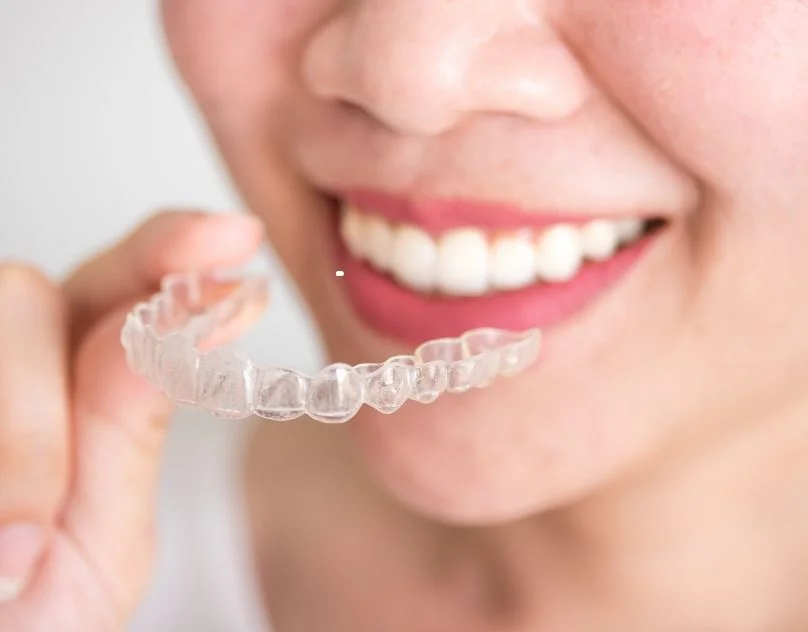
If you are considering straightening your teeth you may be wondering which treatment is best for you. The choice between aligners and traditional braces depends on more than just how they look. Your dental needs, lifestyle, budget and treatment goals all play a part. When you think about invisalign vs braces knowing how each option works can help you talk clearly with your dentist or orthodontic professional.
What Is the Difference Between Invisalign and Braces?
How Does Invisalign Work?
Invisalign uses a series of custom‑made aligners to move your teeth slowly into better positions. Invisalign aligners are designed to fit over your teeth making them much less noticeable than traditional braces.
One of the advantages is that Invisalign aligners can be removed while you eat, drink and clean your teeth. This can make everyday life a little easier for adults who may feel self‑conscious about wearing braces.
For people searching for aligners for discreet teeth straightening Invisalign can be a good option. However Invisalign aligners are not suitable for every concern so an individual assessment is important.
How Do Traditional Braces Work?
Traditional braces use brackets and wires attached to your teeth to guide them into alignment. Unlike Invisalign aligners braces stay in place throughout your treatment.
Braces have been used successfully for years and can be suitable for a wide range of orthodontic concerns, including crowded teeth, gaps and some bite problems. Your dental professional can decide whether braces are appropriate for your needs.
Invisalign vs Braces: What Should You Consider?
Appearance
For people appearance is an important factor. Invisalign aligners are clear and generally much harder to notice than metal braces. This can make them appealing if you want **Invisalign for adults who want orthodontic treatment**.
Braces are more visible; however there are styles and options available depending on your treatment plan.
Eating and Cleaning
One of the convenient things about Invisalign is that you can remove Invisalign aligners before eating. You can enjoy your foods then brush and floss before putting Invisalign aligners back in.
With braces certain sticky or chewy foods may need to be avoided. Cleaning can also take a little time because you need to brush carefully around braces brackets and wires.
Lifestyle and Commitment
Invisalign offers flexibility. That flexibility comes with responsibility. You need to wear Invisalign aligners for the recommended amount of time each day and remember to put them in after meals.
Braces stay attached to your teeth. There is no need to remember to wear them. However you will need to attend appointments and take extra care when cleaning your teeth.
Which Treatment Is Better for Your Smile?
There is no one‑size‑fits‑all answer. Invisalign may be ideal for someone who wants an removable option while braces may be better for certain complex alignment or bite concerns.
The best choice should be based on your dental needs rather than appearance alone. A dental or orthodontic professional can examine your teeth discuss your goals and explain which treatment is likely to give the outcome.
If you are comparing Invisalign vs braces for teeth ask about expected treatment time, costs, maintenance and what results you can realistically expect before making your decision.
Frequently Asked Questions
Is Invisalign better than braces?
Neither option is automatically better. Invisalign and braces can both straighten teeth effectively. The most suitable treatment depends on your individual dental needs.
Is Invisalign more comfortable than braces?
Many people find aligners comfortable to wear although some pressure or mild tenderness is normal as the teeth move. Braces can sometimes cause irritation from brackets or wires.
Which is faster Invisalign or braces?
Treatment times vary from person to person. The severity of your alignment concerns and how closely you follow your treatment plan can affect how long treatment takes.
can adults get Invisalign?
Yes. Invisalign can be an option, for adults who want to improve tooth alignment without wearing traditional metal braces. Suitability depends on your circumstances.
How much does Invisalign cost compared with braces?
The cost varies depending on your treatment complexity the expected treatment duration and the dental practice you attend. A consultation can give an accurate estimate.
How can I decide between Invisalign. Braces?
Start with an assessment. Your dentist or orthodontic professional can explain the advantages and limitations of each option. Help you choose a treatment that fits your smile, lifestyle and goals.