Sign up with Google
 Sign in with Zoho

Every frame, floor and roof starts with a material decision. Structural timber carries the weight of a building, so the grade and treatment you pick matter more than most people expect. Sydney builders rely on a handful of proven products, and knowing how they differ saves money, time and rework on site.
What Makes Timber Structural
Not every board earns that label. Timber qualifies once it has been graded for strength and stiffness against Australian standards. Each piece is checked for knots, grain slope and density, then stamped so builders and inspectors can see exactly what they are working with.
Understanding Strength Grades
Grades tell you how much load a piece can handle.
- MGP10 and MGP12 are machine-graded pine, common in wall frames and roof trusses.
- F17 is a stress-graded hardwood, used where loads are heavier.
- E10 products offer predictable stiffness, which suits longer spans.
A higher number means a stronger piece. Engineers usually specify the grade on the plans, so check the drawings before you order.
Treatment Levels and Where They Belong
Hazard ratings show where a board can safely be used.
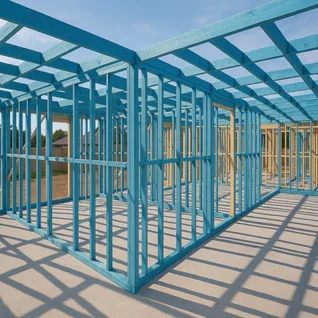
- H2 treated pine suits dry, enclosed frames and resists termite attack.
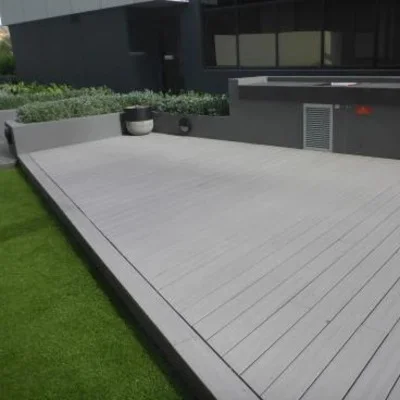
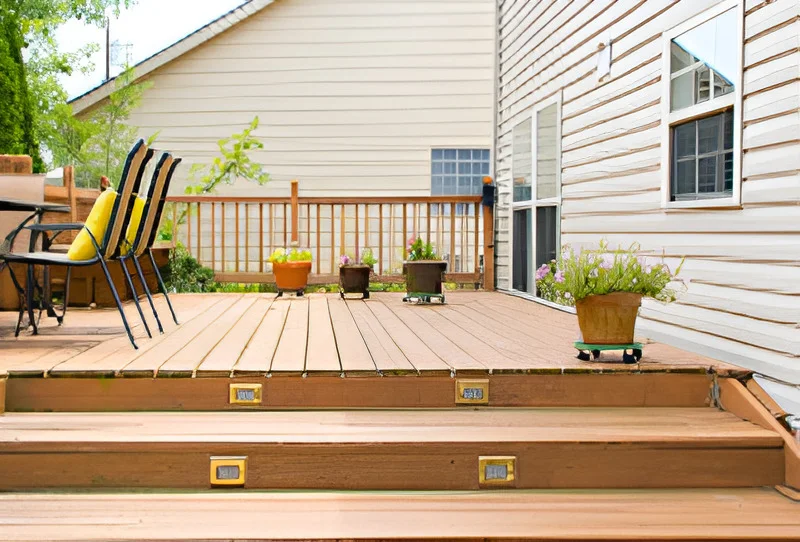
- H3 treated pine handles outdoor exposure above ground, such as decks, pergolas and fascia boards.
Choosing the wrong level is one of the costliest mistakes on a job, because under-treated pieces can fail early and force a rebuild.
Engineered Options for Longer Spans
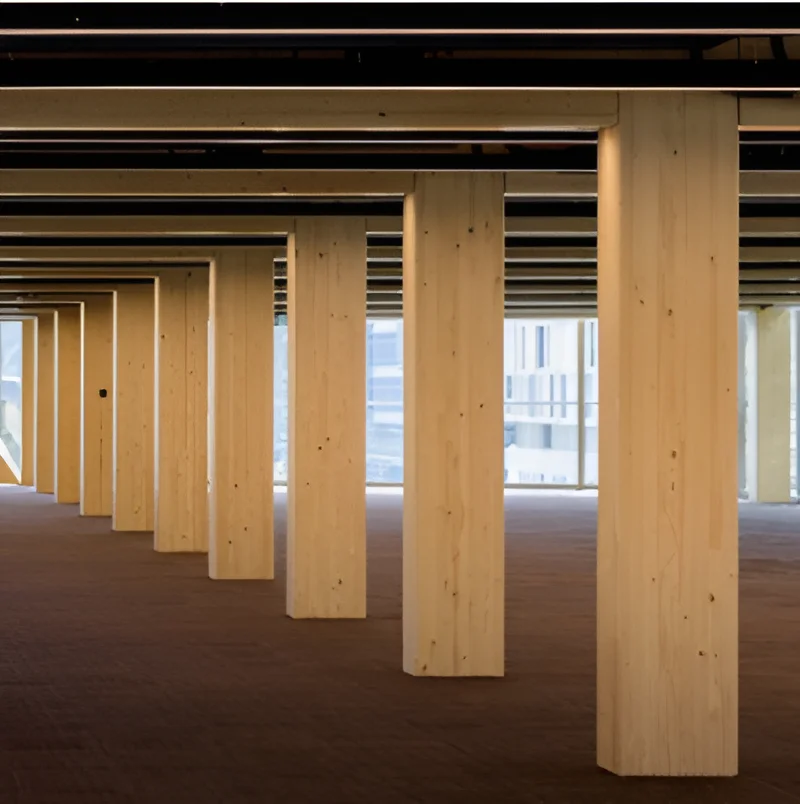
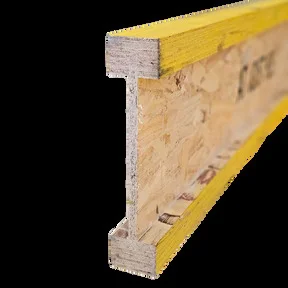
Sawn timber has natural limits. LVL timber is made by bonding thin veneers under heat and pressure. The result is a straight, consistent beam that resists twisting and shrinking. Builders choose it for lintels, bearers and ridge beams. I-joists work in a similar way for floors, giving deep, light sections that cover wide openings with fewer supports.
Choosing Structural Timber for Your Build
Start with the engineer's drawings, then match each product to its exposure and span. According to experts, you should ask three questions before ordering:
- Will the piece stay dry or face the weather?
- How far does it need to span?
- Does the plan call for a specific grade stamp?
A family-owned yard with decades of experience can make this step easier. A team of timber specialists can talk you through options for free, and trade support is available for regular buyers. Every product is FSC certified, so you also know the timber comes from responsibly managed forests.
Handling and Storage on Site
Good timber can still be spoiled by poor storage. Keep stacks off the ground and covered, with spacers between layers so air can move through. Seal freshly cut ends of treated pine with a brush-on preservative, since cutting exposes untreated wood inside.
Frequently Asked Questions
What does MGP stand for?
It stands for machine-graded pine, which means each piece is tested by machine for stiffness before it is stamped.
Can H2 treated pine be used outdoors?
No. H2 suits dry, protected framing only. Use H3 for outdoor applications above ground.
When should you choose LVL timber over sawn pine?
Pick LVL timber when a beam must span a wide opening or carry a heavy load without bowing. It stays straighter and more uniform than sawn pine.
Does FSC certification affect strength?
No. Certification covers how the timber was sourced, while strength comes from the grade stamp.
Conclusion
Picking the right grade, treatment and product type keeps a build safe, sound and on budget. Advanced Timber & Hardware has supplied builders, carpenters and homeowners from Strathfield South since 1985. For large projects, you can request a custom quote or open a trade account for bulk pricing and ongoing support.