Sign up with Google
 Sign in with Zoho

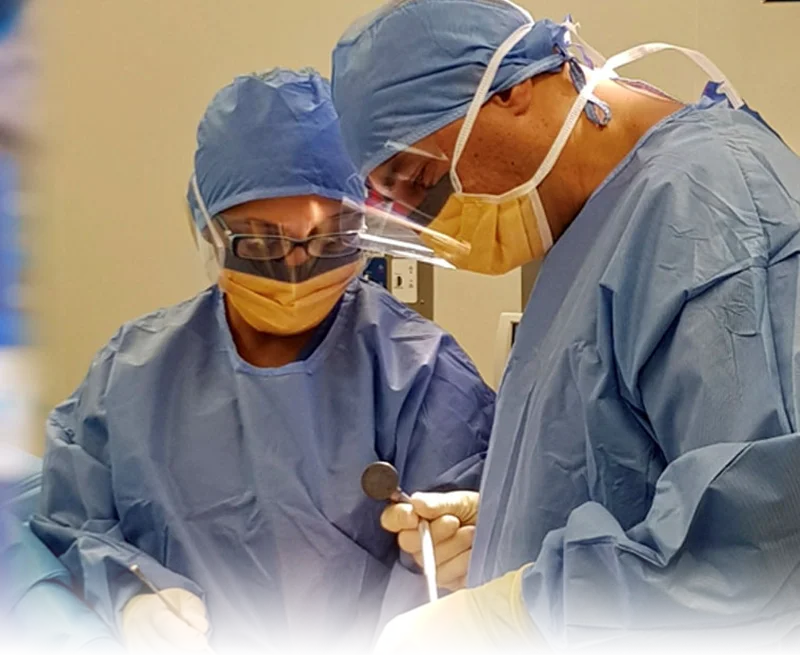
It's one of those questions that doesn't feel like it deserves its own conversation, until you're standing in front of your wardrobe the night before surgery realising most of what you own isn't going to work. Foot surgery comes with some genuinely practical clothing and footwear considerations, and getting it sorted beforehand makes the day itself a fair bit less stressful.
Why This Actually Matters
After foot or ankle surgery, you'll typically be in some kind of surgical boot, bandaging, or dressing, and depending on the procedure, there may be swelling that changes the size and shape of your foot for a while. Regular shoes usually aren't an option, at least not straight away, and getting changed with a healing foot, possibly while using crutches, is a lot harder than it sounds if your clothing isn't cooperating.
Comfort matters too, since you'll likely be feeling a bit groggy from anaesthesia on the day itself, and fiddly clothing is the last thing you want to deal with.
On the Day of Surgery
Loose, easy clothing is the general rule for the day itself. Wide-leg pants, tracksuit pants, or shorts that can accommodate bandaging or a surgical boot without needing to be pulled tightly over the area are a good option. Anything with a snug ankle or leg opening, like skinny jeans or fitted trousers, is best avoided, since getting them on or off over a dressed foot is genuinely difficult and can be uncomfortable.
A top that's easy to get on and off is worth considering too, particularly if you're having a general anaesthetic, since you may be a bit unsteady and not keen on wrestling with buttons or tight sleeves afterward.
Footwear-wise, you'll generally need something for the foot that isn't being operated on, and it should be something you can slip on and off easily, like a slide or an open sandal, since bending down or using both hands might not be comfortable straight after surgery.
What You Probably Won't Be Able to Wear for a While
Depending on the specific procedure, normal enclosed shoes are usually off the table for some weeks, sometimes longer for more involved surgery. A surgical boot or specific post-operative shoe is generally provided or recommended as part of your care, and it's worth having this organised in advance rather than trying to sort it out on the day.
Compression socks are sometimes recommended after surgery to support circulation, so it's worth asking whether that applies to your specific procedure and, if so, having a pair ready beforehand.
Practical Extras Worth Having Ready
A few small things tend to make the first days easier. Loose pyjama bottoms or shorts for lounging around at home while your foot is elevated. A dressing gown or oversized jumper that doesn't need to go over your head if reaching up feels awkward post-surgery. And if crutches are part of your recovery, clothing that won't get caught underfoot or tangled while you're getting used to them.
It's also worth thinking about your return trip home. Whoever's driving or collecting you should know you'll likely be in a boot or bandaging and possibly on crutches, so bringing a bag or something to carry belongings hands-free can be genuinely helpful.
Jewellery and Other Small Details
Standard pre-surgery instructions usually apply here too, removing nail polish from your toes if requested, and taking off any jewellery, particularly anything on the foot or ankle being operated on, like toe rings or anklets. Your surgical team will generally cover this in your pre-operative instructions, but it's easy to forget on the day if you haven't thought about it beforehand.
After You Get Home
In the days following surgery, comfort tends to matter more than anything else. Loose clothing that doesn't need adjusting constantly, easy access to whatever footwear or boot you've been given, and clothing that works with your foot elevated for extended periods all make those first days noticeably easier to manage.
The Simple Version
Loose bottoms that don't need pulling over a bandaged foot, an easy top, a slip-on shoe for the other foot, and whatever surgical footwear your team has recommended for the operated foot. None of it needs to be complicated, but sorting it out the day before rather than the morning of tends to save a fair bit of unnecessary stress.
The Advanced Foot Surgery Centre, with clinics across Perth including Kallaroo, Wilson and Iluka, generally runs through practical details like this as part of pre-operative preparation, so patients aren't left guessing on the morning of their procedure. If you're preparing for foot surgery in Perth and unsure what to bring or wear, it's always worth checking directly with your surgical team, since specific recommendations can vary depending on your particular procedure.