Sign up with Google
 Sign in with Zoho

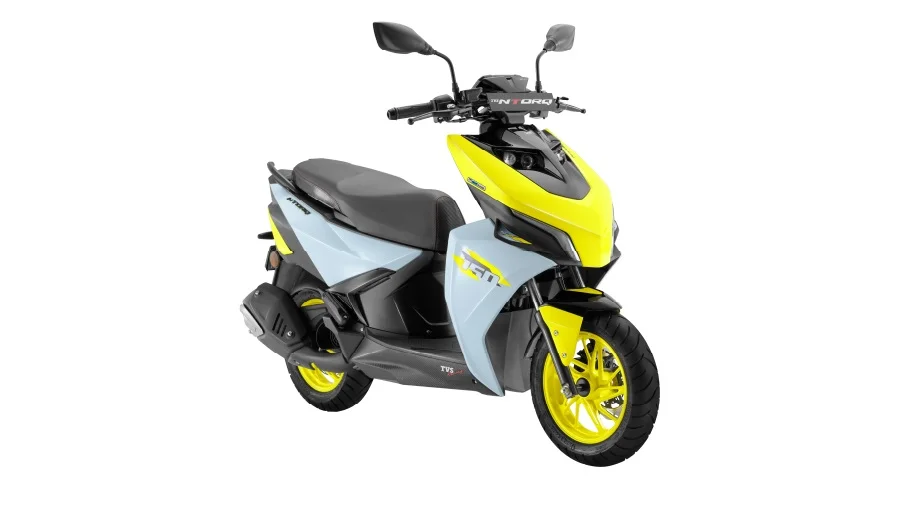
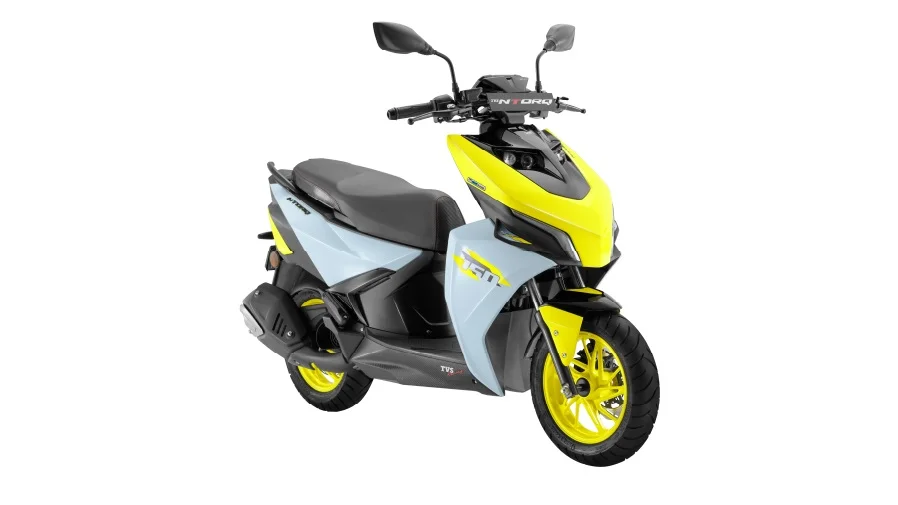
A few thousand rupees separate the standard Ntorq 150 from its top trim, and that gap is enough to make most buyers pause before signing the booking form. The Ntorq 150 top model exists specifically to answer that pause, though not through extra power or a stronger engine. The difference lies almost entirely in the screen and what it connects to, making it a very different kind of upgrade from what riders may expect.
Where the Extra Rupees Go
Step up to the top trim, and the first change is the instrument cluster, swapped from a basic digital display to a 5-inch colour TFT unit. It runs TVS SmartXonnect, which brings Bluetooth pairing, turn-by-turn navigation and voice commands through Alexa. Over-the-air updates mean the display keeps gaining features long after the sale, without a trip back to the service centre for a manual upgrade.
Does It Ride Any Differently
Riders expecting a punchier ride from the top trim will not find one. The 149.7cc engine is identical across both variants, and the only riding change comes from software: Street and Race modes adjust throttle response rather than output. Street mode suits daily traffic, Race mode wakes the throttle up for open stretches, and either mode is available on the top trim through the same TFT screen. The base variant, by comparison, manages without this dual-mode flexibility.
The Same Bones Underneath
Strip away the display and the two variants share nearly everything else. Quad LED projector headlamps, angular panels, aerodynamic winglets and a 22-litre under-seat space are common to both trims, so the design language and daily practicality do not change based on which version sits in the showroom.
Putting a Number on the Upgrade
This is where the TVS NTORQ 150 top model price becomes the real deciding factor. The top variant costs a clear step above the base scooter, and nearly all of that gap comes from the display and connectivity hardware rather than anything mechanical. Dealerships typically offer financing that spreads this difference across the loan tenure, which softens the impact of the higher sticker price for buyers who would rather not pay the gap upfront.
At a Glance
Buyers weighing the two variants are really choosing between these additions and their base scooter:
- A 5-inch TFT display instead of a basic digital unit
- Bluetooth connectivity with navigation and voice support
- OTA updates for future feature additions
- Smartwatch compatibility for quick glances at ride data
The Verdict
None of these additions touches performance, so the decision comes down to how much a rider values a connected dashboard over a simpler one. Riders who treat their commute as time to stay reachable will find the top model earns its price. Anyone who just wants to get from one place to another without fuss can skip it without missing anything that matters on the road.