Sign up with Google
 Sign in with Zoho
Every year, a fresh list of design trends does the rounds, and most of them look great on a screen and fall apart in an actual flat. Urban homes have their own rules: smaller footprints, shared walls, limited natural light, and families who use one room for three different purposes.
The movements shaping 2026 are different because they are less about how a room looks in a photograph and more about how it behaves day to day. That shift is also why more homeowners now start with an interior designer company instead of a shopping list of decor.
Warm Minimalism Replaces the Cold, All-White Look
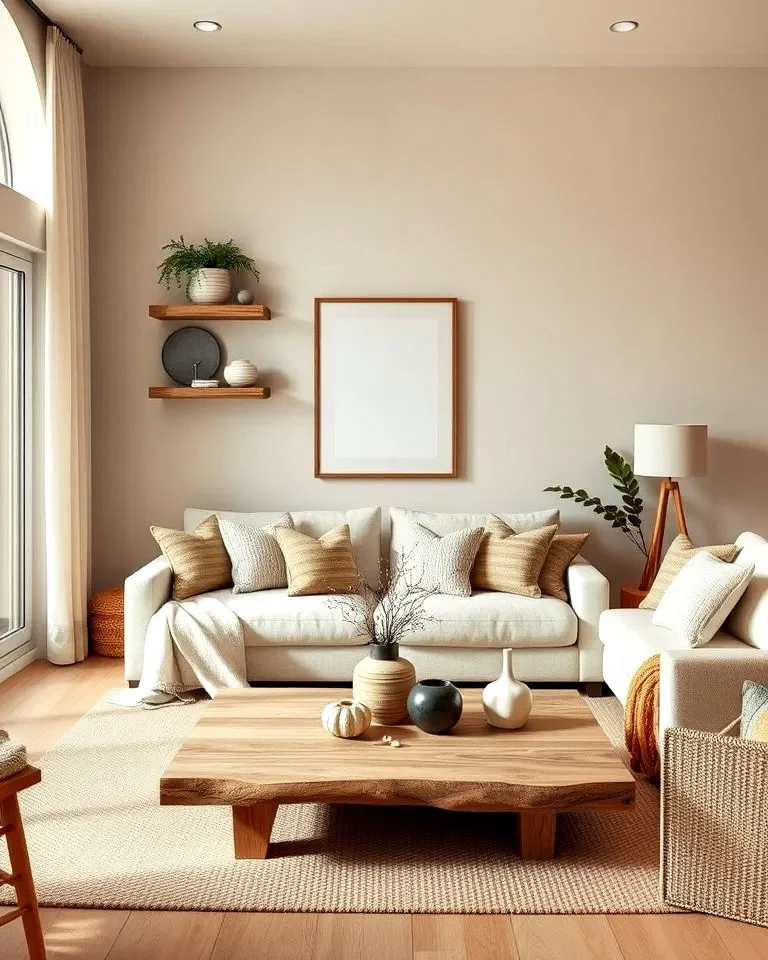
For a decade, minimal meant white walls, grey sofas, and very little personality. The 2026 version keeps the restraint but drops the chill. Think soft beiges, clay, sand, and muted greens, paired with natural wood and layered fabrics.
In a city flat, this works because warm neutrals make a compact room feel calm without making it feel empty. A home decor interior designer will usually build the palette around the one or two materials that stay constant, such as flooring and joinery, and let everything else stay flexible.
Colour Drenching and Earthy Palettes
Alongside quiet neutrals, there is a counter-movement: a single deep shade carried across walls, trims, and sometimes even the ceiling. Terracotta, olive, deep teal, and ink blue are the favourites.
It sounds bold, but in small rooms it often does the opposite of what people fear. When walls, skirting, and doors blend into one tone, the edges of the room stop competing with each other, and the space reads as one continuous surface instead of a box with lines drawn on it.
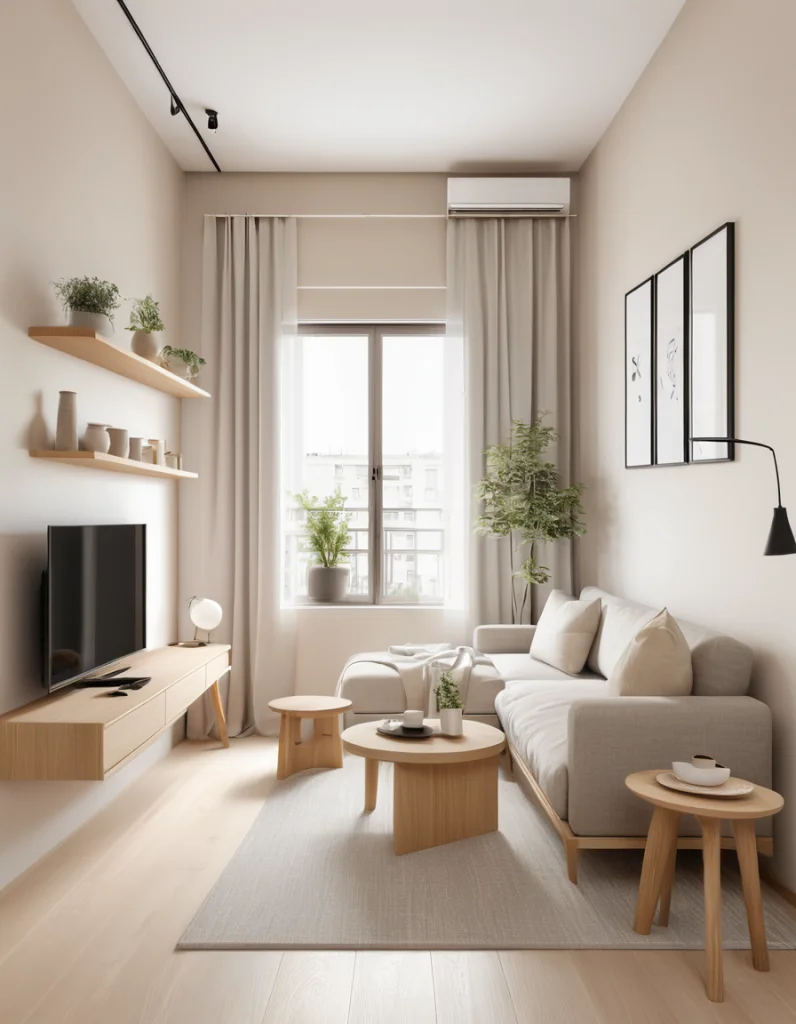
Biophilic Design Moves Beyond a Few Potted Plants
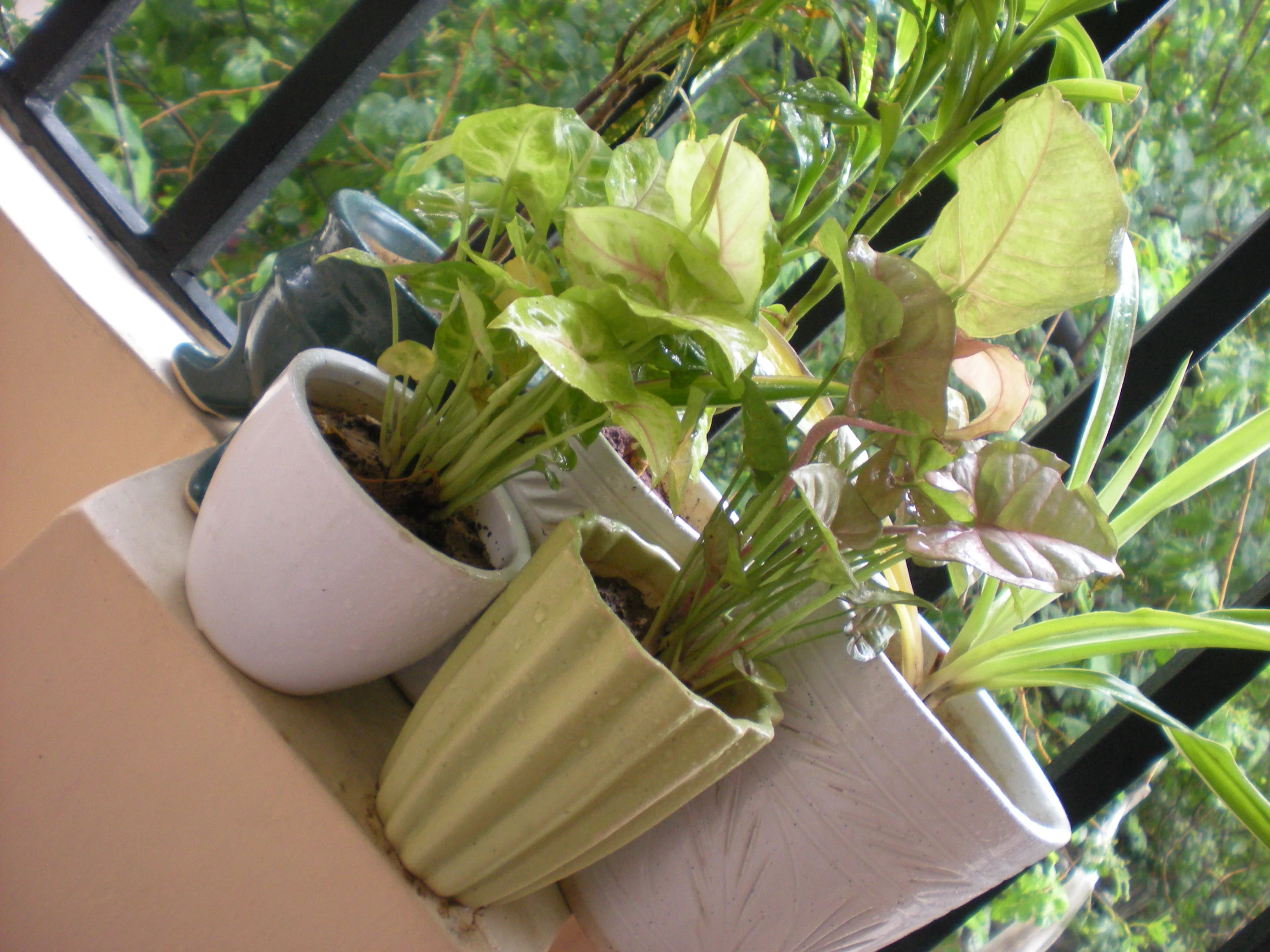
Bringing nature indoors is no longer a plant on the windowsill. Urban homes are using natural stone, cane, rattan, solid timber, and indoor planting zones that are planned into the layout from the start.
The reason it keeps growing is practical. People living in dense cities want a home that feels like a break from the outside, and materials with texture and grain do that far better than a printed cushion. Good home design experts also think about light and airflow here, because a plant corner that gets no light is just decoration.
Japandi and the Quiet Craft Movement
Japandi, the blend of Japanese simplicity and Scandinavian warmth, is not new, but it has matured. In 2026 it shows up as low-profile furniture, clean lines, handcrafted details, and a visible respect for how things are made.
Alongside it, there is a growing appetite for Indian craft: hand-finished surfaces, artisanal textiles, and regional materials used in a modern frame rather than as a theme. The common thread is intention. Fewer objects, chosen better, and placed where they earn their space.
Curves and Soft Shapes Take Over Sharp Edges
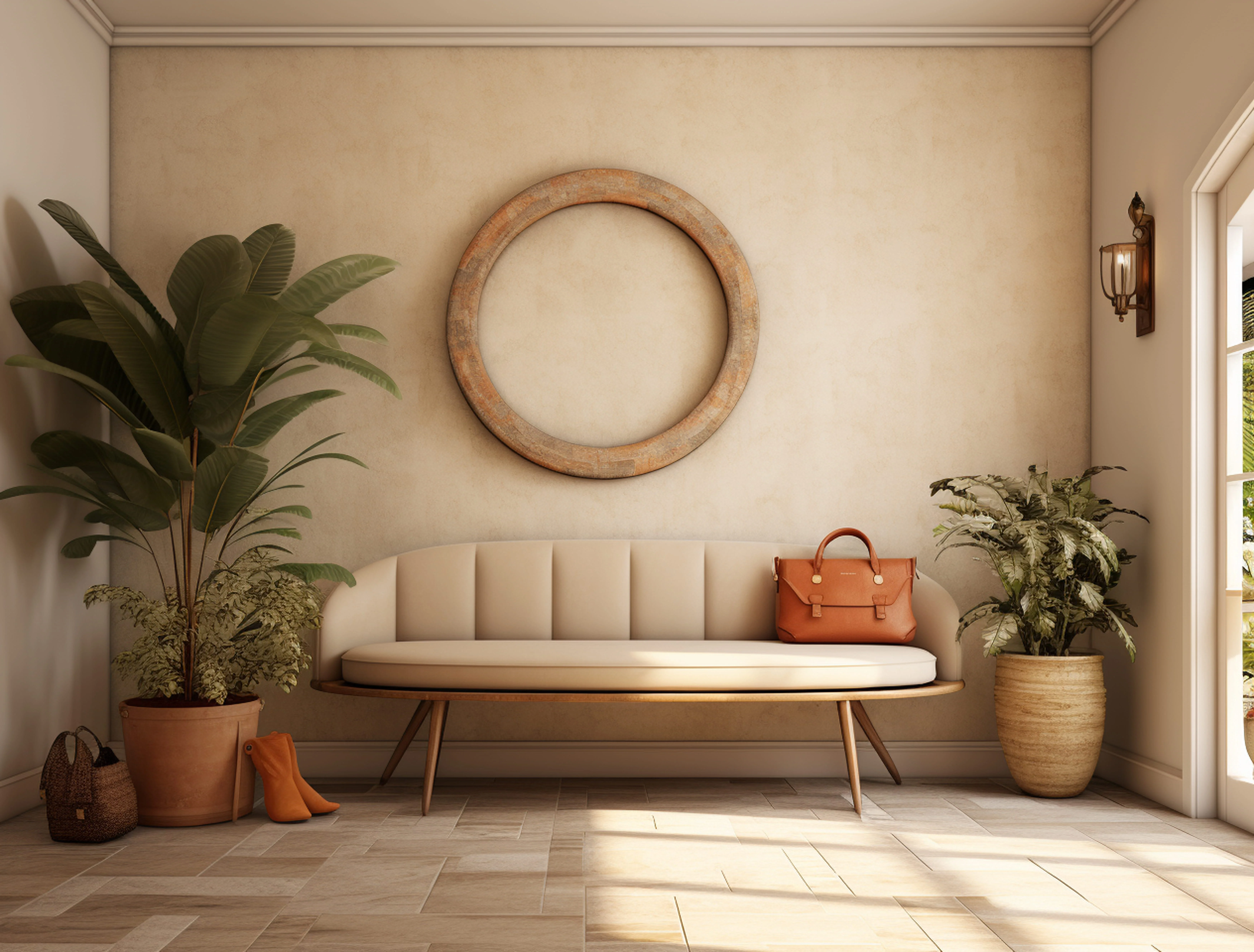
Rounded sofas, arched mirrors, curved headboards, and softly edged tables continue to gain ground. In tight urban rooms, this is more than a style choice. Rounded corners are easier to walk past, they soften the visual weight of a room, and they make a small living area feel less rigid.
The trick is restraint. A home interior design company will typically pick one or two curved elements as anchors, rather than rounding off everything and losing the clarity of the layout.
Statement Joinery and Built-In Storage
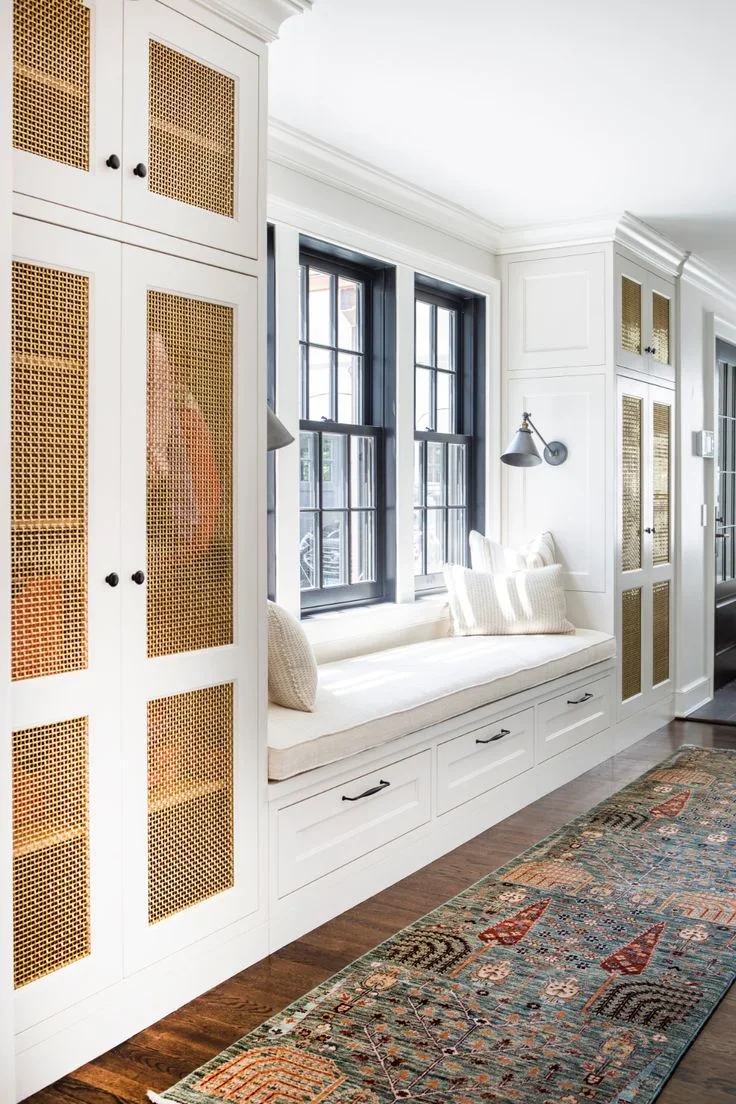
This is probably the movement with the biggest everyday impact. Instead of freestanding furniture lined up along walls, urban homes are moving toward built-in units: wall-to-wall wardrobes, window-seat storage, media walls, and fluted or textured panels that hide storage behind a clean face.
Built-ins win in city homes because they use the awkward spaces that standard furniture leaves behind. They also give the room its character, so the joinery becomes the design feature instead of an afterthought. This is where the planning side of an interior design business matters most, since custom storage has to be measured, sequenced, and fitted around the actual room.
Flexible, Multi-Use Rooms
Remote work has settled into the way many households live, and homes have had to adapt. A guest room that doubles as a study, a living area with a fold-away desk, a dining table that doubles as a workspace: these are no longer workarounds, they are the brief.
Designers are now zoning rooms from the beginning, using lighting, rugs, partitions, and furniture placement to give one room several jobs without any of them bleeding into each other.
Layered Lighting and Hidden Technology
Lighting has moved from a single ceiling fixture to a layered system: ambient, task, and accent lights working together, often on dimmers. Cove lighting, concealed strips, and sculptural pendants do the work that bright overhead lights used to do badly.
Technology follows the same logic. Smart controls, concealed charging points, and integrated speakers are planned into walls and joinery so the room stays clean. When it is done well, you notice the mood of the room, not the wiring behind it.
Sustainable and Longer-Lasting Choices
More homeowners are asking where materials come from and how long they will last. Engineered woods with better moisture resistance, low-VOC finishes, reclaimed elements, and furniture built to be repaired rather than replaced are all gaining traction.
For urban homes, durability matters as much as the look. A finish that handles humidity, daily use, and cleaning without peeling is a design decision, not a maintenance chore.
How to Choose Which Movement Fits Your Home
Not every trend belongs in every home. A two-bedroom flat with limited light may do better with warm minimalism and layered lighting than with a deep, drenched palette. A family home with growing storage needs will benefit more from statement joinery than from any single decor trend.
The most reliable approach is to start with how you live, then let the movements serve that, not the other way around. A good home interior design company will begin with the brief, the measurements, and the budget, and bring the trend in only where it earns its place. That is also the real difference between a home designer company and someone simply styling a room: one plans what the space can do, the other works with whatever is already there.
The movements of 2026 will keep evolving, but the principle behind the best of them stays the same. A home should feel calm, work hard, and look like the people who live in it.