Sign up with Google
 Sign in with Zoho

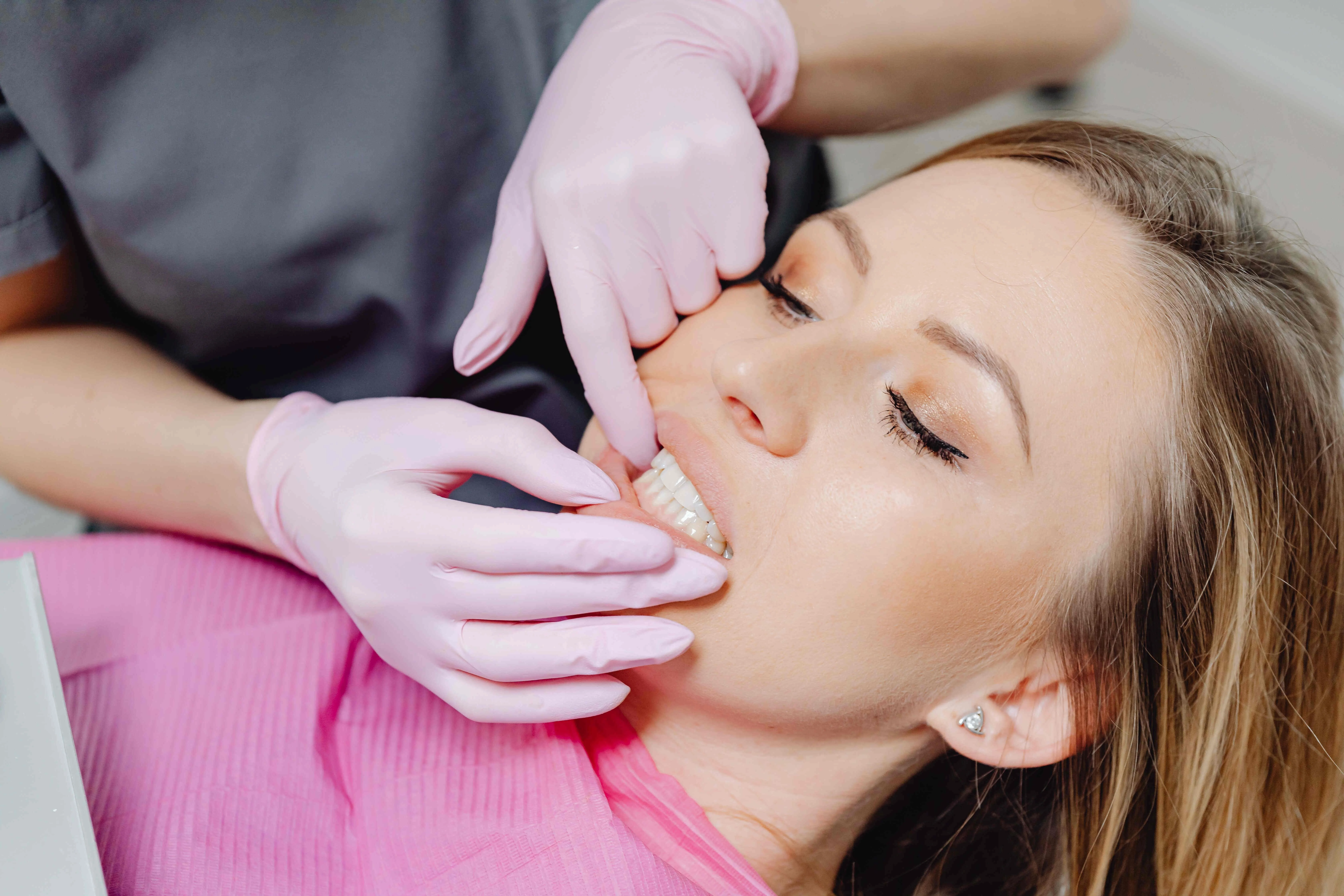
If you're dealing with several damaged, decayed, missing, or worn-down teeth, you may have heard your dentist mention "full mouth reconstruction." In simple terms, it's a customized treatment plan that rebuilds most or all of the teeth in your mouth, restoring how you chew, speak, and smile. It isn't one single procedure, it's a coordinated combination of treatments such as dental implants, crowns and bridges, dentures, root canals, and gum therapy, planned together to give your bite proper function again.
Who Needs Full Mouth Reconstruction?
Full mouth reconstruction is typically recommended for patients dealing with a combination of problems rather than one isolated issue, such as:
- Multiple missing or severely decayed teeth
- Advanced gum disease that has damaged supporting bone
- Teeth worn down from years of grinding (bruxism)
- Jaw or bite misalignment causing pain or uneven wear
- Trauma that damaged several teeth at once
- A mix of cosmetic and functional concerns
Because every case is different, your dentist will start with a full evaluation, including dental exams and digital X-rays, to map out which teeth need treatment and in what order.
What Does Full Mouth Reconstruction Involve?
A reconstruction plan is built around your specific needs, so no two treatment plans look exactly alike. Depending on your oral health, your dentist may combine any of the following:
- Dental implants to replace missing teeth and preserve jawbone
- Crowns and bridges to restore damaged or missing teeth
- Root canal therapy to save teeth with infected nerves
- Periodontal (gum) therapy to treat gum disease before restorative work begins
- Dentures or implant-supported dentures for patients missing most or all of their teeth
- Bite adjustment or orthodontic treatment to correct alignment issues
Treatment is usually staged over several visits, starting with any urgent needs, like infections or extractions, before moving into the restorative and cosmetic phases.
How Painful Is Full Mouth Reconstruction?
This is one of the biggest concerns for patients considering treatment, and it's a fair question. Because full mouth reconstruction can include surgical steps like implant placement, extractions, or gum treatment, some discomfort during recovery is normal, similar to what you'd feel after a single implant or extraction. Most patients describe the sensation as mild soreness or swelling rather than sharp pain, and it's well managed with local anesthesia during treatment and over-the-counter or prescribed pain relief afterward. Non-surgical steps, such as placing crowns or fitting dentures, are generally much more comfortable. Since treatment is staged rather than done all at once, your mouth has time to heal between phases, which also helps keep discomfort manageable.
How Much Does Full Mouth Reconstruction Cost?
Cost varies widely because every treatment plan is different. A plan built mostly around crowns and bridgework will cost far less than one involving multiple implants or a full-arch implant solution. Nationally, individual components can range from roughly $1,000 to $3,500 per crown and $3,000 to $6,000 per dental implant, while full-arch implant solutions often fall between $18,000 and $36,000 per arch. As a result, a complete reconstruction can range anywhere from around $20,000 to well over $60,000 depending on the number of teeth involved, the materials used, and whether bone grafting or extractions are needed. Many dental offices, including Smiley Dental Boston, offer patient financing and accept a range of dental insurances to help make treatment more manageable. The only way to get an accurate number for your situation is a personalized evaluation.
Is Full Mouth Reconstruction Worth It?
For patients struggling to eat comfortably, in ongoing pain, or self-conscious about their smile, full mouth reconstruction can be life-changing. Beyond appearance, restoring your bite protects your jawbone, supports better nutrition, and can prevent smaller problems from turning into emergencies down the road. While the upfront investment is significant, many patients find the long-term function, comfort, and confidence well worth it, especially compared to the ongoing cost and frustration of repeatedly patching up failing teeth.
What Is the Downside of Full Mouth Implants?
Full-arch implant solutions offer excellent stability and a natural feel, but they aren't the right fit for everyone. Potential downsides include a higher upfront cost compared to dentures or bridgework, a longer treatment timeline that may involve healing periods between stages, the need for adequate jawbone density (sometimes requiring bone grafting beforehand), and a surgical component that isn't ideal for patients with certain uncontrolled health conditions. Your dentist will review your medical history and bone health to determine whether implants are a good option or whether an alternative, like implant-supported dentures, makes more sense.
Getting Started With Full Mouth Reconstruction
No two smiles need the exact same plan, which is why full mouth reconstruction always starts with a thorough evaluation of your teeth, gums, and bite. At Smiley Dental Boston, our team specializes in restorative dentistry and can walk you through which combination of treatments fits your health, budget, and goals. If you're dealing with multiple dental issues and aren't sure where to start, schedule a consultation to find out what a personalized full mouth reconstruction plan could look like for you.