Sign up with Google
 Sign in with Zoho

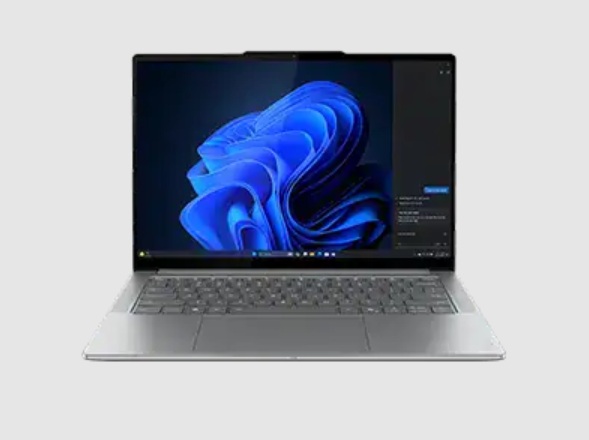
Computers changed forever when they started sensing the world as people do. Most older laptops just sit there waiting for you to click a button. Newer AI-driven PCs are much different because they stay aware of their surroundings. This shift happens because of a clever technology called sensor fusion. It blends data from cameras and microphones, and motion sensors into one smart brain. Your computer no longer feels like a plastic box with a screen.
Instead, it acts like a digital partner that anticipates your every move. The automation system of your workday provides you with increased efficiency and productivity benefits through its automated processes. Your work time increases because you spend less time adjusting your work settings.
Let's talk to understand in detail!
1. Intelligent Privacy Enforcement
Privacy is a big deal for everyone using a laptop in public places. An AI-driven PC uses sensor fusion to watch your back while you work, instantly detecting shoulder-surfing risks and triggering real-time visual obfuscation to protect sensitive on-screen data.
The webcam and infrared sensors work together to spot when you look away. If you walk to grab a coffee the screen dims and locks instantly. This keeps your private data safe from wandering eyes in the office.
- The system detects if a stranger looks over your shoulder.
- It blurs the screen automatically to hide your sensitive files.
- The PC wakes up the moment it senses you returning to your chair.
2. Power Management That Thinks Ahead
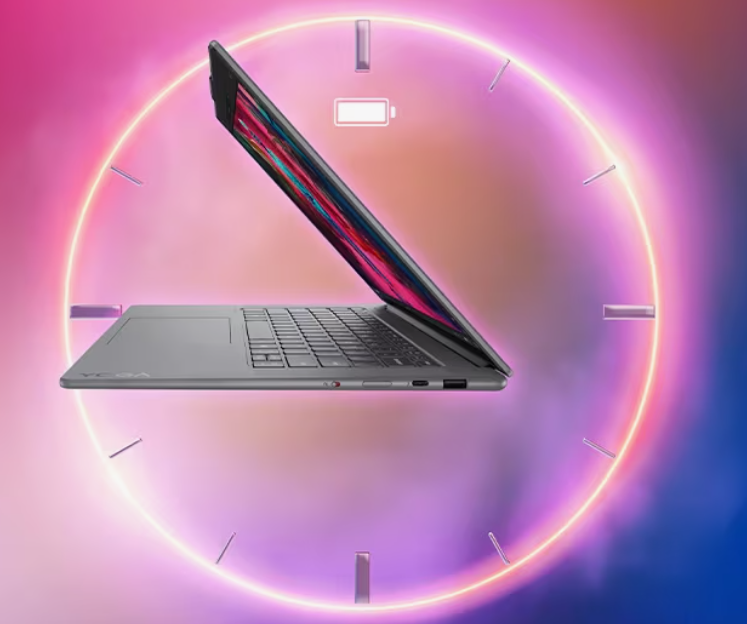
Battery life is the biggest worry for people who work on the go. Sensor fusion solves this by tracking your physical presence and room lighting. The PC combines light sensor data with user detection to save every drop of energy. It knows if you are just thinking or if you actually left the room.
Why Your Battery Stays Full
The AI chip manages power by looking at how you sit and move. It reduces the processor speed when you are just reading a long article.
Adaptive Brightness Control
The screen stays bright only when your eyes focus on the glass panel. Saving energy is great, but staying comfortable while you work is even better. This transition brings us to how your PC looks at your body to help you stay healthy.
3. Virtual Ergonomics for Your Daily Health
Your back experiences pain, and your eyes become fatigued when you spend extended time at your desk. The AI-powered computer system employs its built-in camera to observe your body position during the entire workday. The computer calculates the distance between your face and the monitor. It knows if you are slouching or leaning too close to the pixels.
- The system provides an alerting system to notify users when they should correct their posture.
- The PC system delivers reminders to users that instruct them to blink their eyes or look away from the screen in order to prevent eye strain.
- The system uses head movement tracking to recommend optimal screen viewing angles.
Healthy habits make you a better worker over the long run. These same sensors also make your video calls look professional without any extra equipment.
4. Crystal Clear Video Calls in Any Environment
Video meetings are now a standard part of every professional job. Sensor fusion combines audio and visual data to make you look like a star. The PC identifies background noise and removes it using sound wave analysis. It also adjusts the camera focus even if you move around the room.
- The camera follows your face to keep you centered in the frame.
- Microphones use beamforming to pick up only your specific voice.
- AI filters out the sound of barking dogs or loud keyboard typing.
Great communication requires a quiet and focused environment for everyone involved. This leads to the way your computer stays cool and silent while you work hard.
With the growing use of AI PCs worldwide, their market is continuously rising. The global share is expected to surpass $ 992 billion by 2035
5. Thermal Control Guided by Motion
A loud fan is very distracting when you are trying to concentrate. AI PCs use motion sensors to figure out where the device is sitting. If the sensors detect a lap, the PC keeps the bottom surface cool. If it sits on a cold desk, the fans might spin faster for more power.
- Accelerometers tell the PC if it is moving or stationary.
- Temperature sensors adjust the cooling based on your specific location.
Smart cooling ensures your computer lives a long and healthy life. This physical awareness also helps the PC wake up before you even touch it.
6. Instant Wake and Smooth Login
Waiting for a computer to boot up feels like a waste of time. Sensor fusion allows for an experience called instant-on functionality. The PC uses low-power sensors to "see" you approaching from across the room. By the time you sit down, the desktop is already waiting for you.
- Ultrasonic sensors detect movement even when the lid is closed.
- The system prepares your favorite apps before you click the mouse.
Speed is the ultimate luxury in the modern world of fast-paced business. This brings us to the final way sensors make your digital life more intuitive.
7. Adaptive Audio Based on Your Position
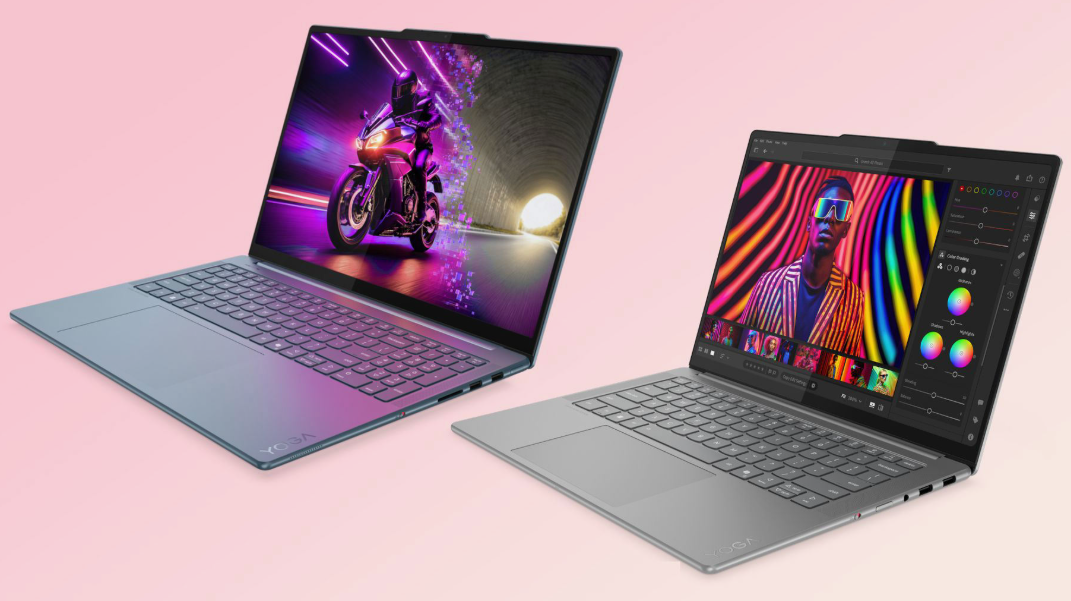
Your ears deserve a great experience whether you watch a movie or take a call. AI PCs use sensors to track where your head is relative to the speakers. It adjusts the sound balance to create a perfect 3D audio bubble. The volume changes automatically if the room suddenly gets very noisy.
- Sound shifts left or right based on your physical movements.
- The PC balances the bass and treble for different room sizes.
- It ensures your voice sounds natural to people on the other end.
Conclusion
Sensor fusion turns a standard laptop into a living and breathing assistant. It uses tiny bits of data to make massive improvements in your daily life. You get better privacy and longer battery life, and improved health all at once. Automation works best when you do not even notice it is happening in the background. These seven steps are just the beginning of a much smarter future for everyone. Expect your devices to keep getting better as they learn more about your unique habits.


.webp)