Sign up with Google
 Sign in with Zoho

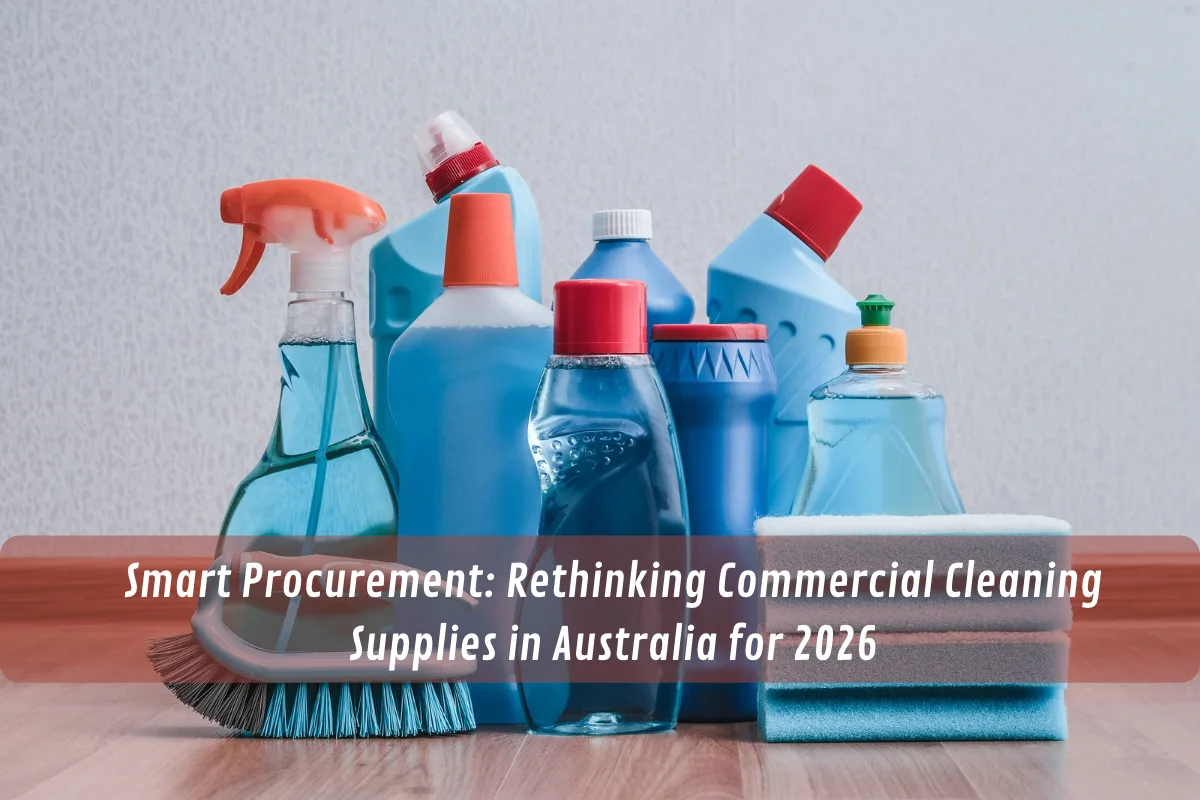
The average workplace pantry has evolved; so has the cupboard that stores floor cleaner and sanitising wipes. Rising freight costs, stricter hygiene standards, and mounting pressure to prove environmental credentials are changing the way Australian organisations buy consumables. Yet many offices, cafés and strata complexes still rely on whatever carton the last contractor delivered years ago. That habit is costing real money and sending avoidable plastic to landfill.
Why Sourcing Habits Are Under the Microscope
Supply chains felt every bump during the early-decade freight crunch. A single missed pallet of disinfectant could throw an entire hospital wing off schedule. While logistics have stabilised, facility managers now favour vendors that can ship nationally without delay. When teams need cleaning supplies across Sydney or in far-flung regional depots, consistency matters more than which van shows up at the dock.
The other change? Staff expectations. Hybrid work sharpened awareness of surface cleanliness and air quality. Employees returning to hot-desk hubs notice smears on privacy screens and stale odours in meeting rooms. HR departments field those complaints, so they’re pushing procurement to lift product quality rather than defaulting to the cheapest label on the shelf.
Blind Spots That Quietly Drain the Budget
A few line items escape scrutiny because they feel trivial compared with energy bills or lease renewals. Cleaning consumables sit on that blind-spot list. Yet multiply a low-grade gloves order by 200 staff and the dollar drift becomes real.
Common culprits include:
- Low-concentration chemicals that require double dosing
- Generic bin liners tearing under weight, forcing double-bagging
- Single-use microfibre cloths tossed after one spill because they smear instead of absorb
Mid-sized enterprises often learn this lesson during an unexpected audit. Safety inspectors spot unlabeled decant bottles or expired disinfectant and issue improvement notices—another unplanned cost.
A more subtle loss appears in labour hours. Diluting concentrate manually to guesswork ratios slows cleaners and risks inconsistent germ kill. The fix is simple: closed-loop dispensing that measures every millilitre. Up-front unit prices look higher, but each spray delivers the exact potency the label promises, trimming waste and re-orders.
Beyond Price: Selecting Products That Work Harder
Cheaper is fine until it leaves streaks on tempered glass or aggravates an employee’s asthma. Workplace safety reports cite fragrance sensitivities as a rising trigger for sick-leave claims. Choosing low-VOC formulas once counted as a nice PR line; in 2026 it is often mandated by tenancy agreements.
For decision-makers weighing options, small tweaks pay off:
- Swap bleach-heavy bathroom cleaners for oxygen-based alternatives; staff avoid harsh fumes, fixtures last longer.
- Shift from cotton rags to split-fibre cloths that capture finer dust, speeding wipe-downs.
- Opt for refillable trigger bottles made from recycled HDPE; they cut landfill and reduce freight weight.
A detailed breakdown of cloth types and their best use cases appears in a facility-focused article choosing the right microfibre cloths—worth a look if your team wrestles with streaky stainless-steel lifts.
Sustainability Moves That Also Protect Margins
Carbon reporting once sat with CSR teams; now tender responses demand hard numbers on Scope 3 emissions. Cleaning consumables travel thousands of kilometres from refinery to work site, so they fall squarely under that microscope. Fortunately, what reduces carbon often lowers operating spend:
Organisations embracing these swaps report leaner storage footprints—important when city leases charge premium rates per square metre. Warehouse space reclaimed from bulky cartons can house higher-value inventory instead.
Meeting Hygiene Standards Without Overkill
Guidelines from the Australian Department of Health still influence how frequently touchpoints must be sanitised in healthcare, hospitality and early-learning settings. Interpreting those rules sensibly avoids panic-buying pallets of disinfectant that expire before use.
Practical checkpoints:
- Match chemical grade to risk level—food-prep benches need hospital-grade, staff lockers rarely do.
- Rotate stock with first-in-first-out labelling to prevent forgotten cartons turning gelatinous.
- Train cleaners on dwell time; most sanitisers require surfaces to stay wet for at least 60 seconds.
Decision logs showing why a certain strength was chosen often satisfy auditors more than the volume purchased. That paper trail also prevents over-ordering when rosters expand.
The Take-Home
Cleaning products rarely headline budget meetings, yet their ripple effect touches staff wellbeing, ESG reporting, and even talent retention—nobody wants to hot-desk on sticky keyboards. A structured look at what you buy, how you dilute it, and whether packaging can be cut in half usually frees resources within months. With suppliers able to deliver nationwide at short notice, it’s simpler than ever to align safety compliance, sustainability goals and the balance sheet in the same procurement run.
FAQs
Do greener cleaning products really cost more?
Not always. Super-concentrates and refill stations appear dearer by the litre but often deliver more usable doses, so cost per clean can fall.
How often should a workplace review its cleaning inventory?
Annually at minimum, or whenever staff numbers shift significantly. Software that tracks usage against occupancy can highlight sudden spikes.
Can one supplier cover metro and remote sites equally well?
Yes, if they hold national distribution agreements. Check freight timeframes and whether regional hubs stock the same SKUs to avoid product mismatches.