Sign up with Google
 Sign in with Zoho

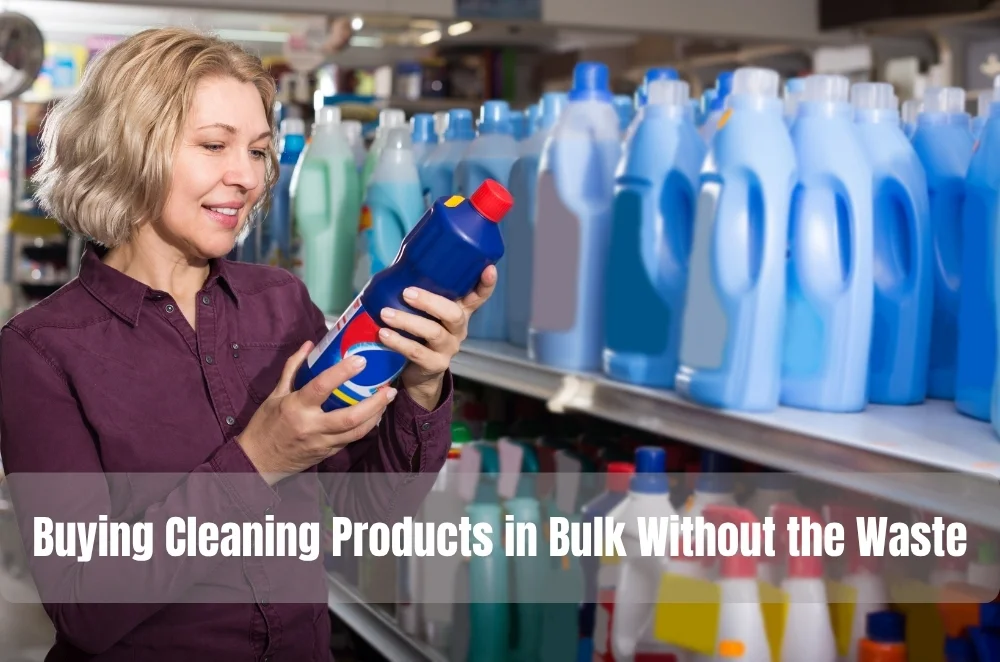
Australians are no strangers to large-scale purchasing. From family-sized pantry staples to warehouse-sized hardware runs, bulk buying feels like a smart move—until expired goods or overcrowded cupboards prove otherwise. Cleaning supplies are no different. The right carton of disinfectant wipes can keep an office humming for weeks; the wrong pallet can tie up cash and storage space long after its use-by date has passed.
Early in any procurement conversation, one question matters most: which items genuinely belong on a bulk order? The answer sits at the intersection of price stability, shelf life, and how quickly your team empties each bottle.
Why Volume Pricing Isn’t the Whole Story
First-time buyers often home in on the per-litre saving. That makes sense—wholesale cartons of degreasers or sanitisers are cheaper up-front. Yet purchasing decisions shouldn’t end there. Delivery charges, safe storage requirements, and staff training can easily erode headline savings.
Take bleach as an example. It degrades faster than many realise, losing noticeable potency after just a few months if exposed to heat or sunlight. Paying less per litre only pays off when you can move through the stock while it is still effective. Before placing the order, check your average monthly consumption. If the numbers line up, buying bulk cleaning products becomes a genuine cost lever rather than a line-item risk.
Hidden Costs Lurking in Poor Storage
A pallet of multipurpose cleaner can turn into an occupational health issue when cartons block emergency exits or chemical fumes vent into shared areas. Storage space is more than floor area; it’s segregation, ventilation, spill containment, and clear labelling.
In midsize workplaces, allocate shelving specifically for hazardous materials. Acids, alkalines, and flammables should never share the same rack. Australian Safety Data Sheets (SDS) spell out ideal temperature ranges and compatibility rules for every chemical class. Skipping those guidelines because “there wasn’t anywhere else to put it” often leads to product loss through leakage or unplanned disposal.
Facilities managers who maintain a tidy, labelled store room find re-ordering simpler too. Visual stock takes prevent panic purchases and last-minute courier fees—costs that can dwarf any bulk discount.
Quality Checks Before, During, and After Delivery
No one questions a cracked bottle on the loading dock, yet slow leaks and mislabelled drums also erode value. Empower staff to reject deliveries that show:
- Damaged seals or distorted containers
- Illegible or missing batch numbers
- Chemical odours inconsistent with the manifest
Document the rejected items immediately. A quick photo and email to the supplier lock in evidence and accelerate replacements at no extra cost.
Once the stock is inside, rotate it. First in, first out (FIFO) isn’t glamorous, but it prevents setting aside “just one carton” that ends up expiring at the back of the shelf. Many operations add a bright sticker with the open date to each drum; that visual cue is faster than hunting for a tiny printed code.
Choosing Products That Genuinely Suit Bulk Purchasing
Not every chemical belongs on the master order. In practice, four questions steer the decision:
- Does the product have a long, stable shelf life when stored correctly?
- Does the organisation use it at a steady, predictable rate?
- Are safety and storage requirements already in place?
- Will the supplier split the order into staged deliveries if space is tight?
Common candidates include neutral-pH floor cleaners, glass sprays, hand soaps, and hard-surface disinfectants. Less obvious winners are concentrate formulas that reduce transport weight and free up storage once diluted on-site.
For fresh perspectives on safe rotation and chemical compatibility, many buyers browse an explainer on correct labelling and decanting sits at their blog section.
Training: The Overlooked Piece of the Bulk Puzzle
A warehouse-sized haul often arrives before staff receive updated handling instructions. Decanting concentrates or preparing large-batch mop solutions without the right PPE can trigger skin reactions and eye injuries. Written procedures matter, but nothing beats a short, hands-on demonstration.
A good supplier supports onboarding with SDS files, dilution charts, and even toolbox talks. If those resources are missing, the apparent bargain can morph into overtime costs as supervisors scramble to develop their own training aids.
When the Environment and the Ledger Agree
Green credentials once shouldered a price premium. That gap has narrowed in 2026, largely thanks to Australian-made formulations adopting high-volume sugarcane and recycled plastic inputs. Concentrated, eco-certified cleaners reduce freight emissions and water use at the plant—two savings that translate into lower unit prices.
In tender documents, citing environmental preferences now ranks alongside cost and delivery windows. Organisations that track ESG metrics often record additional wins such as happier cleaning teams reporting fewer respiratory irritations.
The same environmental thinking applies to packaging. Drum-return programmes, where a supplier collects and reconditions bulk containers, shrink landfill volumes and sometimes trigger credit offsets on future orders. Those credits rarely appear on list prices but can tilt the total-cost equation when comparing vendors.
Disaster Avoidance: Contingency Stock Without Overbuying
Floods, supply chain shocks, and transport strikes still happen. Holding buffer stock makes sense, yet stacking a three-month surplus of aggressive chemicals can shorten their lifespan or breach storage limits. A compromise is to arrange call-off orders—pre-agreed pricing with staggered shipments released only when needed.
Legally, you will want the contract to confirm the supplier’s obligation to honour the rate even if raw-material costs climb mid-year. This approach locks in savings but avoids the clutter and hazard of excess on-site inventory. Government procurement guidelines published by Safe Work Australia offer a useful framework for these arrangements.
Where Value Meets Practicality
Buying cleaning products in bulk pays off when every link in the chain—quantity forecasting, delivery inspection, safe storage, staff training, and environmental follow-through—lines up. Skip one link and the economics wobble; treat each step with equal weight and volume orders become a genuine lever for both savings and sustainability. The next time a purchasing cycle rolls around, run the numbers against actual usage, double-check storage capacity, and keep an eye on shelf life. If everything still stacks up, the carton count can climb with confidence.
FAQs
What shelf life should I expect from standard disinfectant?Most commercially supplied surface disinfectants remain effective for up to two years when stored between 5 °C and 25 °C, away from direct sunlight. Always check the manufacturer’s batch label for the exact expiry date.
Is it cheaper to buy concentrates rather than ready-to-use sprays?Usually yes. Concentrates reduce freight weight and let you mix only what you need. Over time, the per-clean cost drops, provided staff follow correct dilution ratios.
How do I dispose of leftover chemicals that have expired?Schedule a pick-up with a licensed hazardous-waste contractor. Never pour chemicals down the drain unless the SDS specifically allows it under local regulations.
Can smaller businesses benefit from bulk deals?They can if usage is predictable. Partnering with neighbouring tenants to share an order or arranging split deliveries keeps cash flow and storage under control while still harnessing volume discounts.









.webp)