Sign up with Google
 Sign in with Zoho

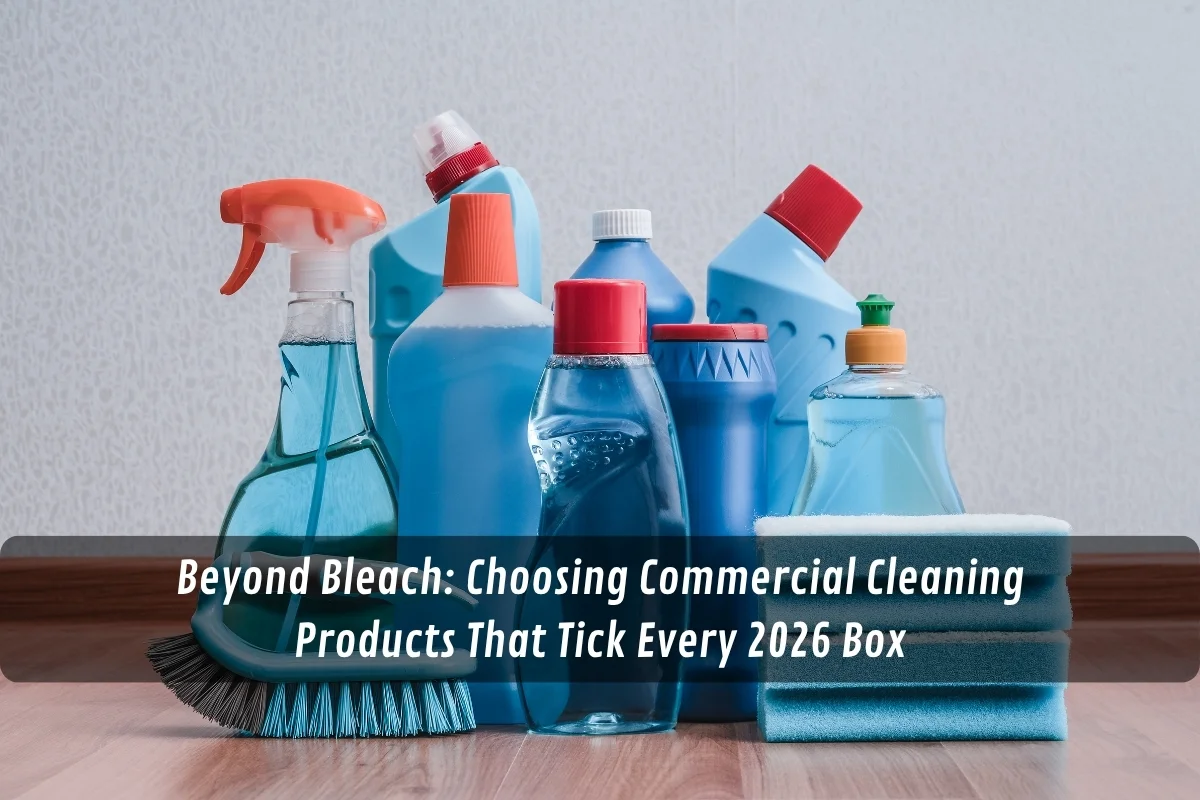
Flu season keeps mutating, procurement budgets feel the squeeze and staff voice concerns about harsh fumes. Little wonder facilities managers across Australia are rethinking the contents of the janitor’s cupboard. The days of grabbing any bulk detergent on special are gone; modern workplaces demand science-backed cleanliness, transparent labelling and greener chemistry.
In that search, many specifiers start by comparing different commercial cleaning products to see which brands back their claims with data and which still rely on dated formulas. Understanding what separates one drum from another is now a core part of risk management rather than a nice-to-have.
What Has Changed Since the Pandemic Years?
COVID-19 rewired public expectations, but 2026 brings additional pressures:
- Ventilation studies now highlight aerosol persistence, pushing cleaning teams to focus on high-touch disinfection as well as floor care.
- State regulators publish tougher guidance on volatile organic compounds (VOCs), especially in enclosed offices and schools.
- ESG reporting forces large employers to document chemical footprints, water use and packaging waste.
Taken together, these shifts mean the “old faithful” chlorine-heavy solution may no longer satisfy policy or staff comfort. Decision-makers need a framework for assessing alternatives.
Cost Isn’t Just Dollars per Litre
On paper a budget degreaser at 90 cents per litre feels unbeatable. Factor in hidden costs—extra PPE, longer dwell time, corrosion on fittings—and the math changes. A mid-tier neutral pH detergent that reduces contact time can claw back labour minutes every shift. Fewer dermatitis complaints save sick leave. Understanding total cost of ownership is crucial.
Facilities managers often lean on an office hygiene checklist to calculate those hidden figures. Each line item—glove changes, mop head life, premature floor seal replacement—sits outside the chemical invoice yet affects the yearly budget far more.
A Quick Comparison Table
While the table uses indicative observations rather than precise numbers, it shows why procurement teams increasingly look beyond sticker price.
Reading Australian Safety Data Like a Pro
Safety Data Sheets (SDSs) can feel dense, yet three sections tell you most of what you need:– Hazard identification (Section 2): Look for GHS pictograms; multiple flame or corrosive icons mean extra training.– Exposure controls (Section 8): Check suggested engineering controls. If mechanical ventilation is mandatory, consider room limitations.– Ecological information (Section 12): Some buyers now score products on aquatic toxicity to meet corporate sustainability targets.
If two candidates perform equally on grime removal, the one with fewer hazard statements usually wins board approval.
Sustainability Claims: Sorting the Genuine From Greenwash
“Biodegradable” can legally mean 90 percent breakdown over months. That matters when wastewater heads straight to municipal treatment. Certifications carry more weight than marketing text. GECA, Good Environmental Choice Australia, runs independent audits across production, packaging and disposal. Products bearing its logo remove guesswork for compliance officers.
Supply chain transparency helps too. Manufacturers willing to map their raw-material sources make it easier for corporates to defend ESG-report sections to auditors. Conversely, vendors hiding behind “proprietary blend” often trigger extra paperwork.
Matching Product Type to Application—And Avoiding Overlap
Even seasoned supervisors end up with three window cleaners, two sanitising wipes and surface sprays that duplicate ingredients. Standardising SKUs simplifies training and reduces accidental chemical mixing.
Tabletop disinfectant wipes doubled as phone cleaners in 2020 but now risk damaging oleophobic coatings on modern devices. Microfibre cloths paired with alcohol-free sprays solve that issue while aligning with many device-warranty clauses.
Adopting a “one chemical, one job” policy prevents staff from experimenting, speeding up onboarding of casual cleaners during holiday peaks.
When a Specialist Formulation Beats All-Purpose
Some soils just refuse to budge with general detergents—think carbonised kitchen grease, red quarry-tile grout or calcium on pool surrounds. Rotating stronger products for those monthly deep cleans is more efficient than running harsh chemistry daily.
Look for ultra-concentrates packaged in sealed dosing bottles. They tame freight costs and minimise splash risk. Yes, the upfront price per litre is eye-watering, but remember the dilution ratio may be 1:120 compared with 1:20 for a ready-to-use spray.
Training: The Silent Multiplier
A well-chosen chemical still under-delivers if a newcomer grabs the wrong nozzle or guesses dilution. Short video modules hosted on the company intranet keep techniques fresh without pulling supervisors off the floor.
Consider QR codes on spray bottles linking directly to those modules. Repetition cements the correct “spray, dwell, wipe” sequence and curbs the temptation to over-dose product for “extra strength”.
Compliance Audits: Documentation Makes Friends, Not Enemies
Inspectors rarely fault the brand of detergent. They dig into record-keeping:
- Latest SDS versions on hand and dated within five years
- Training attendance logs for each worker
- Evidence of chemical risk assessments under WHS Regulation 351
Automating document storage through a central dashboard saves the Friday-afternoon scramble when a surprise audit email lands.
The Momentum Toward Water-Saving Tools
Auto-scrubbers with onboard chemical dosing have slashed wet-mop use in shopping centres. Newer models recirculate rinse water through micro-filtration, cutting consumption by as much as 70 percent according to Safe Work Australia’s cleaning guidelines. Pairing them with low-foam detergents prevents sensor clogging and extends pump life—another reason to think system, not siloed product.
Knowing When to Refresh Your Chemical Line-Up
Periodic performance drift—duller terrazzo, lingering restroom odour—signals it might be time to trial alternatives. Set up a small-area pilot, record dwell times, slip resistance and staff feedback. A structured trial trumps anecdotal complaints.
The march toward better hygiene and greener operations shows no sign of slowing. By weighing total cost, safety data, sustainability credentials and training support, facilities managers can build a lean, effective chemical portfolio that keeps both finance directors and frontline cleaners happy.
FAQs
Do I need hospital-grade disinfectant for an ordinary office?
For most corporate workplaces a TGA-listed disinfectant isn’t mandatory; however, high-touch zones during outbreaks may justify occasional hospital-grade use.
How often should Safety Data Sheets be reviewed?
Regulators recommend checking for updates every five years or whenever the formulation changes.
Can I mix different brands if the active ingredients match?
It’s safer to avoid mixing; inert additives can react unpredictably even if actives are identical.
Does switching to concentrates always save money?
Usually, but only if staff follow dilution instructions and storage space is adequate for dispensing equipment.