Sign up with Google
 Sign in with Zoho


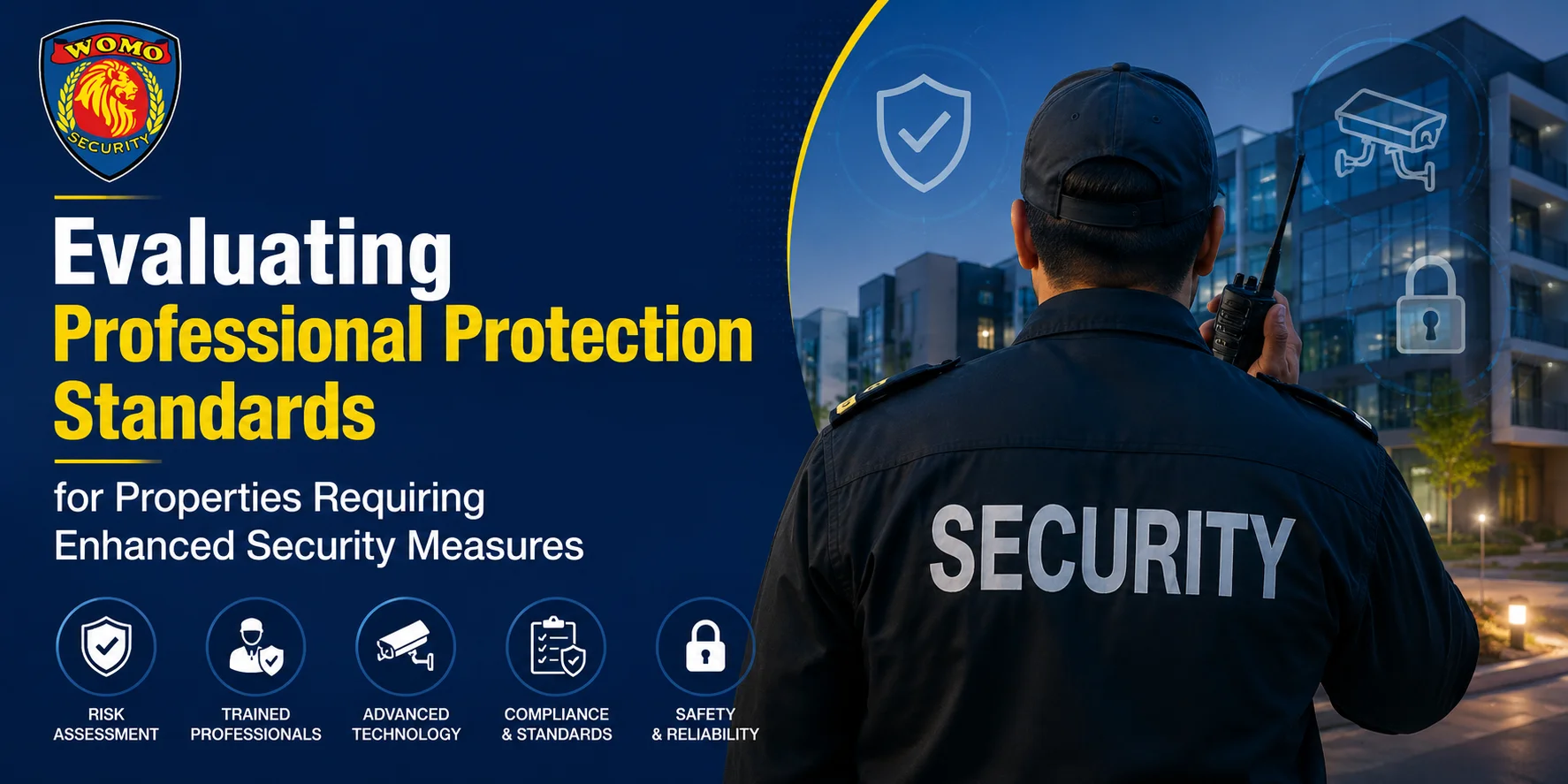
As your organization expands, you will have more opportunity to grow and expand. However, with the added opportunity comes greater risk. You have more possibilities for errors when you are responsible for more employees, have more inventory, operate in multiple sites, and experience higher amounts of customer interaction. Most organizations react to security issues by implementing security precautions. After a robbery, they will add a security camera; after an incident, they will employ a security guard. Reacting to security issues in this manner does not work effectively. By developing a proactive security strategy, you will be able to determine what could possibly become a problem prior to it becoming a problem. You will also develop clearly defined roles and responsibilities for each employee participating in implementing the security strategies. Additionally, as your organization expands, you will be able to determine the level of security measures required based on the expansion rate of your organization. Security services in Malaysia should implement a proactive security strategy. The implementation of a proactive security strategy will allow you to protect your employees, company property, and your brand image, while allowing you to control your budget.
Growth Changes the Risk Profile
The security issues faced by a business having a single site and a limited number of employees will be significantly different from those experienced by a business having many sites, warehouses, offices and/or delivery vehicles. With expansion of a business's geographic area, there is increased risk of losses due to various causes such as unauthorized entry, employee misconduct (fraud) and workplace injuries. Hiring more employees and contracting out services create more opportunities for individuals to gain knowledge of how the security service company. In addition, when operating hours increase, the time that sites remain unprotected or poorly protected increases. Therefore, when expanding into new areas, evaluating the risk profile related to each site can assist in maintaining the proper level of security for the larger scale of the expanding business.
Combine People, Technology, and Procedures
The success of a security system is dependent on more than one form of action. In order for the security system to respond quickly to an event, and then initiate an appropriate course of action, the security personnel should receive proper training. On the other hand, if you would like to monitor activity within and outside of your property, and gather evidence in case of a crime or other issue, you will need to install cameras and alarms. Furthermore, if you are looking to limit access to certain parts of your facility, you will need to implement access control measures. All of these different types of protective measures can be combined into a document containing specific guidelines outlining who is responsible for responding to alarms, visitor requests, and suspicious items. Such a program would be especially valuable to the many security services in selangor because there is a high volume of vehicular traffic on a regular basis, and the land surrounding the facilities varies widely.
Prepare Staff and Review Performance
The employee population of the organization is an integral component of the organization's comprehensive security program. Employee training on how to process visitors; how to manage key controls; how to report suspected activities; and how to act in times of emergency can assist in preventing numerous employee-related errors. Management should also regularly analyze employee incident records, guard logs, and near-miss incidents to identify potential patterns which may necessitate changes or modifications to the existing security plan. Communications between employees, supervisors, and the security contractor provide employees with feedback regarding the effectiveness of employee training and the usability of current policies and procedures. Employee participation in regular emergency response drills will enable employees to become familiar with the steps required during emergency situations.
Conclusion
An organized manner in which to provide security to your business would be to create a security plan rather than making security decisions based on the needs of the moment. A sound foundation on which to provide security to your business would include: creating a process to determine how much risk your business can tolerate; assembling the necessary personnel and/or equipment to provide an effective level of security; identifying an excellent provider of security services to your organization; and continually reviewing the effectiveness of your security plan. Organizations that view providing security to their organization as an ongoing process rather than a one-time event will find themselves in a position where they have fewer costly emergencies, have fewer losses due to preventable factors and ultimately will be able to foster confidence within their employees, clients and business associates. In summary, developing a security plan allows you to further expand your organization while safeguarding your company from potential hazards and giving you the foresight to plan for additional risks.