Sign up with Google
 Sign in with Zoho
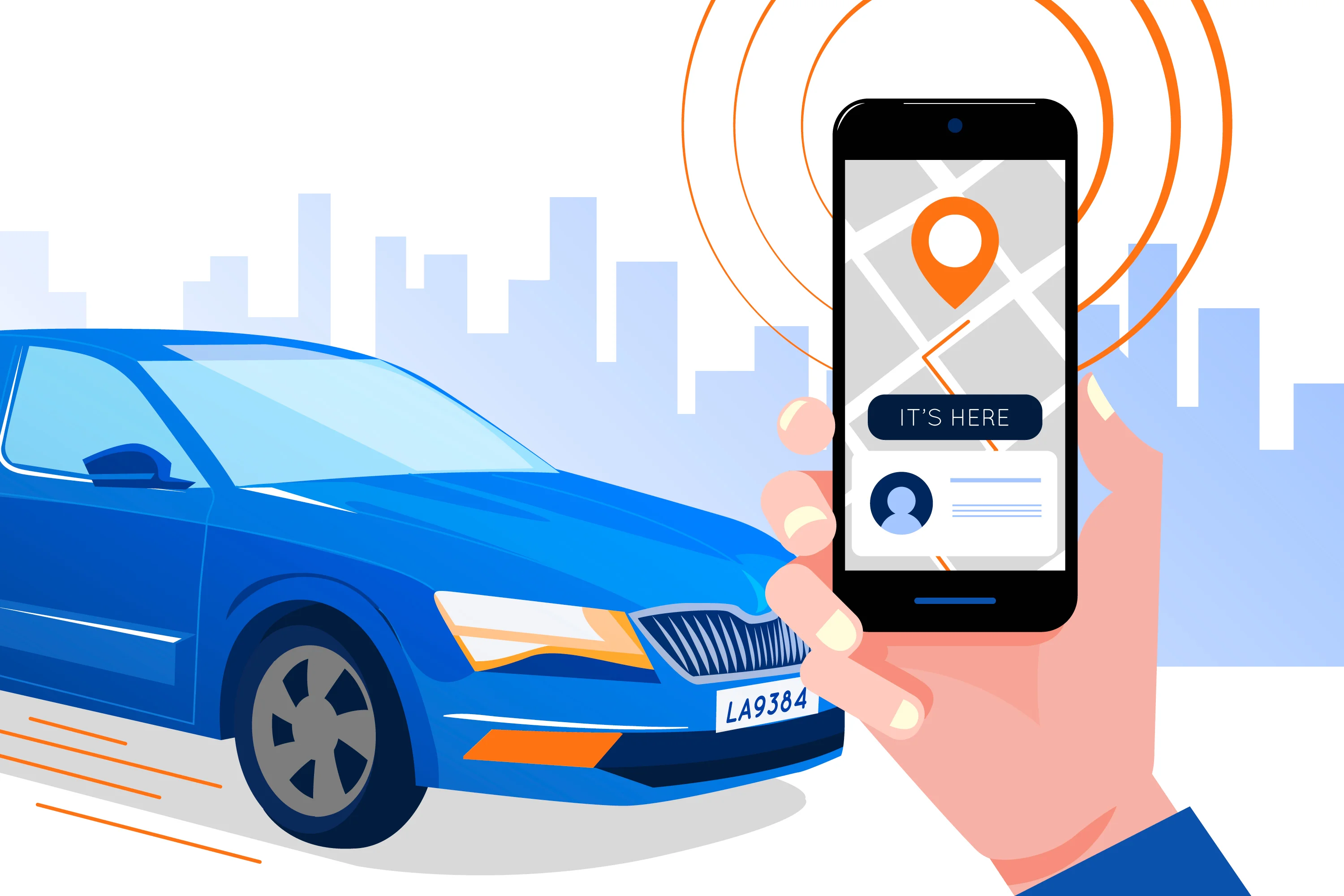
Not long ago, most Indian vehicle owners only thought about their cars or two-wheelers when it was time for servicing or fuel refills. Today, expectations have changed dramatically. People want more visibility, more convenience, and greater confidence in their vehicles. Whether it is a daily commute through city traffic or a long weekend drive on the highway, technology is increasingly shaping the driving experience.
India's automotive sector is undergoing a digital transformation, and connected mobility is at the centre of this shift. As consumers become more comfortable with technology-driven services in banking, shopping, and entertainment, they are also expecting smarter experiences from their vehicles. This growing demand is driving interest in solutions that offer real-time information, predictive maintenance, and enhanced vehicle management capabilities.
The Evolution of Vehicle Ownership
Vehicle ownership today is about much more than transportation. Drivers want access to information that helps them make better decisions, reduce unexpected expenses, and improve safety. Connected technologies are making this possible by providing instant access to important vehicle data through mobile applications and cloud-based platforms.
The growing popularity of smart mobility solutions reflects this changing mindset. Instead of relying solely on traditional maintenance schedules, vehicle owners can now stay informed about their vehicle’s status and receive alerts that help prevent issues before they become serious.
This approach is particularly valuable in India, where road conditions, traffic congestion, and long travel distances can place additional stress on vehicles.
How Connectivity Is Improving Everyday Driving
One of the most significant developments in recent years has been the rise of connected vehicle ecosystems. These systems enable vehicles to communicate with digital platforms, creating a seamless flow of information between drivers and their vehicles.
Modern connected automotive solutions allow users to access real-time insights about performance, maintenance requirements, and operational status. Rather than waiting for a warning light to appear on the dashboard, drivers can receive timely updates that help them take proactive action.
This level of connectivity is creating a more informed and convenient ownership experience while reducing the uncertainty often associated with vehicle maintenance.
The Growing Importance of Preventive Maintenance
Unexpected breakdowns remain one of the most frustrating experiences for vehicle owners. A sudden mechanical issue can disrupt schedules, increase expenses, and create unnecessary stress. This is why preventive maintenance is becoming a major focus across the automotive industry.
Advanced vehicle health monitoring capabilities help drivers understand the condition of their vehicles in real time. By continuously tracking important performance indicators, connected systems can identify potential issues early and provide alerts before problems escalate.
For vehicle owners, this means fewer surprises, improved reliability, and greater confidence during everyday travel.
Why Indian Consumers Are Embracing Connected Mobility
The increasing adoption of connected technologies is being driven by practical benefits rather than technology alone. Consumers are recognizing the value of tools that simplify vehicle management and improve overall ownership experiences.
Some of the most appreciated benefits include:
- Real-time vehicle insights
- Improved maintenance planning
- Enhanced driving convenience
- Better vehicle reliability
- Reduced risk of unexpected breakdowns
- Faster issue identification
- Increased peace of mind for vehicle owners
These advantages are helping connected mobility move from a premium feature to an essential part of modern vehicle ownership.
The Role of Data in Smarter Transportation
Data is becoming one of the most valuable resources in the automotive industry. Every journey generates information that can be used to improve performance, safety, and efficiency. Connected platforms transform this information into actionable insights that benefit both businesses and individual vehicle owners.
As adoption continues to grow, smart mobility solutions are enabling users to make more informed decisions about maintenance, driving habits, and vehicle usage. This data-driven approach is helping create a more efficient and reliable transportation ecosystem across India.
At the same time, connected automotive solutions are making advanced technology accessible to a wider audience. Features that were once available only in premium vehicles are increasingly becoming part of mainstream mobility experiences.
Looking Ahead
India is moving toward a future where vehicles are not just machines but intelligent, connected companions. As automotive technology continues to evolve, digital connectivity will play an increasingly important role in improving safety, convenience, and operational efficiency.
The importance of vehicle health monitoring will continue to grow as consumers seek ways to extend vehicle lifespan and reduce maintenance costs. Companies such as Varroc Connect are helping drive this transformation by delivering connected vehicle and telematics solutions that empower users with real-time information and smarter mobility experiences.
The future of mobility in India is connected, and for vehicle owners, that future is already beginning to take shape.
FAQs
1. What are connected mobility solutions?
Connected mobility solutions use telematics, cloud technology, and mobile applications to provide real-time vehicle information, improving convenience, safety, and operational efficiency.
2. How does vehicle health monitoring help vehicle owners?
It helps detect potential problems early, supports preventive maintenance, reduces breakdown risks, and improves overall vehicle reliability.
3. Are connected vehicle technologies useful for personal vehicles?
Yes. Individual vehicle owners can benefit from real-time alerts, maintenance insights, improved vehicle management, and a more informed driving experience.