Sign up with Google
 Sign in with Zoho

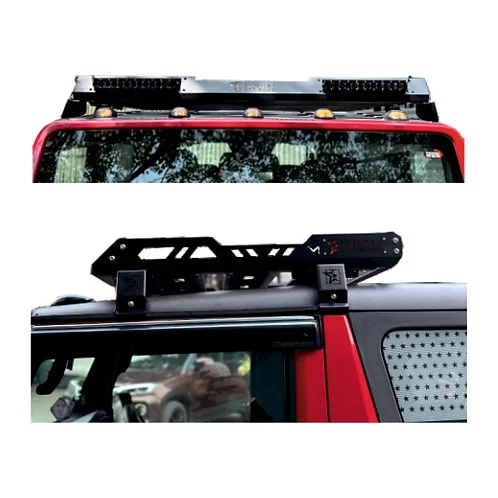
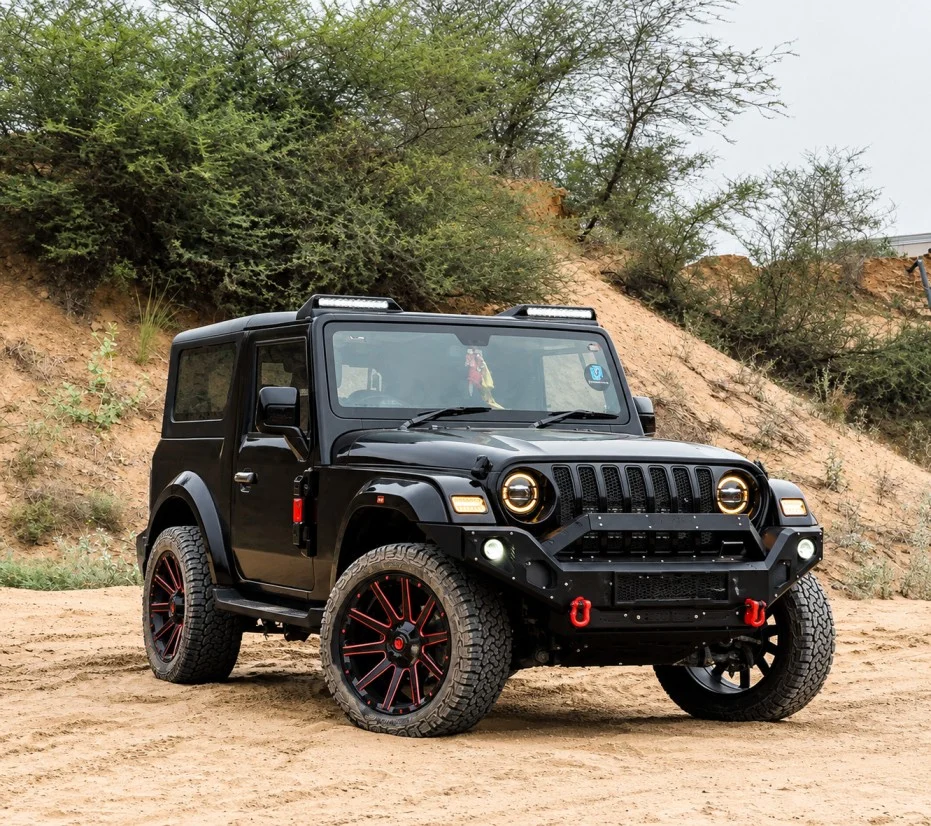
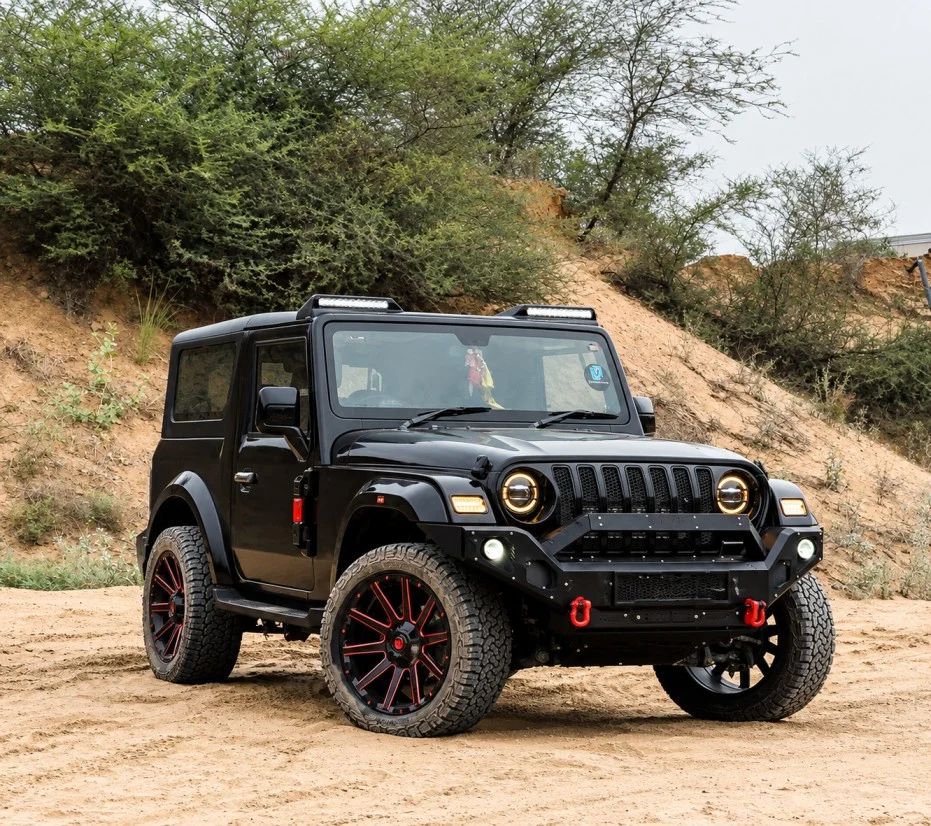
I've spent enough time around off-road meets and Thar owner groups to notice a pattern: almost everyone who's bought a roof rack has a complaint about their first one. Too heavy. Wrong fitment. A light bar that stopped working after three months. It's rarely the idea of a roof rack that's the problem — it's how little thought usually goes into picking the right one. Here's what actually matters, using the Thar Front Half Roof Rack With Light Bar from Stellar 4x4 as a reference point for what a properly thought-out setup looks like.
Mistake #1: Buying More Rack Than You'll Ever Use
Walk into most conversations about roof racks and the assumption is bigger is better. It isn't, not for this vehicle and not for how most people actually use it. A full-length rack is built for cargo capacity that the vast majority of Thar owners never come close to filling — a jerry can, some recovery gear, a duffel bag or two doesn't need an entire roof's worth of space.
What it does need is a rack sized for that reality. A front-half design gives you a real mounting surface for the essentials without hauling around the extra weight and wind resistance of empty rack space you'll never load. It's a smaller decision that has an outsized effect on fuel economy and highway handling over time.
Mistake #2: Treating the Light Bar as a Separate Purchase
A lot of owners buy a rack first, then go shopping for a light bar separately, then discover the two don't mount together cleanly. The better approach — and the one worth looking for when you're comparing options — is a rack and light bar engineered as a single unit from the start. This is exactly why something like the Thar Front Half Roof Rack With Light Bar sits flush against the roofline instead of looking like two products awkwardly stacked together.
There's a functional reason too, beyond aesthetics: stock headlights are built for tarmac, throwing a narrow beam suited to predictable roads. Off-road trails need wider peripheral spread — the kind that catches a rut or the trail's edge, not just what's dead ahead. A light bar positioned specifically within the rack's design, rather than bolted on wherever there's room, is built to actually close that gap.
Mistake #3: Ignoring Fitment Quality Until It's Too Late
This is the one that costs people the most, long-term. Universal or generic racks that aren't engineered around a specific vehicle's roofline almost always develop the same problem eventually — small gaps at the mounting points that turn into rattling, then stress cracks after enough kilometers on rough roads.
The fix isn't complicated, it just requires checking before you buy: does the rack bolt directly into your Thar's factory roof rail points, using hardware actually matched to that geometry? If yes, you've avoided the single most common long-term failure point in this category.
Mistake #4: Wiring the Light Bar Yourself to Save Money
This deserves its own section because it's the mistake with the most expensive consequences. Mounting a rack is genuinely simple — most owners handle it themselves without trouble. Wiring an auxiliary light bar is not the same category of job. It means tapping into your Thar's electrical system, running a properly fused connection, routing cable so it doesn't chafe against interior trim, and installing an independent switch.
Skip a mechanic here to save a small amount upfront, and the typical outcome isn't an immediate failure — it's a flickering light or a mysteriously drained battery three or four months later, which usually costs more to fix than the mechanic's install would have in the first place. Budget for this step. It's not optional in any meaningful sense.
Frequently Asked Questions From Owners Shopping for This Upgrade
Q : Is a half-length rack actually enough storage for a multi-day trip?
A : For most owners, yes — recovery gear, a couple of jerry cans, and packed bags fit comfortably. It's a full roof-tent setup or genuinely oversized cargo that would need a larger, full-length platform instead.
Q : Will this fit a Thar Roxx the same way it fits an older Thar?
A : Not identically — mounting point spacing differs slightly between the two, so confirm the correct bracket kit for your specific variant before ordering rather than assuming a universal fit.
Q : Does a smaller rack really make a measurable difference to mileage?
A : Compared to a full-length rack, yes — less roof surface disrupted means less aerodynamic penalty, though any roof-mounted accessory adds some drag compared to a completely bare roof.
Q : How do I know if my light bar's wiring was actually done correctly?
A : No flickering, no impact on other electronics when it's switched on, and it should operate independently of your headlights. If any of that isn't the case, it's worth having a mechanic recheck the connection.
Q : Is this something I'd realistically use daily, or just for trips?
A : Plenty of owners use it daily just for the extra storage, keeping the light bar reserved for early starts or unlit roads — it's not a purely occasional-use setup.
Conclusion
Most of the frustration Thar owners have with roof racks traces back to one of four decisions made before the purchase, not after: buying more rack than needed, treating the light as an afterthought, ignoring fitment quality, or skipping a proper electrical install to save a bit of money. Get those four things right — and a setup like the Thar Front Half Roof Rack With Light Bar from Stellar 4x4 is a good reference for what "right" looks like — and a roof rack stops being something you fuss over and just becomes part of how the vehicle works.