Sign up with Google
 Sign in with Zoho

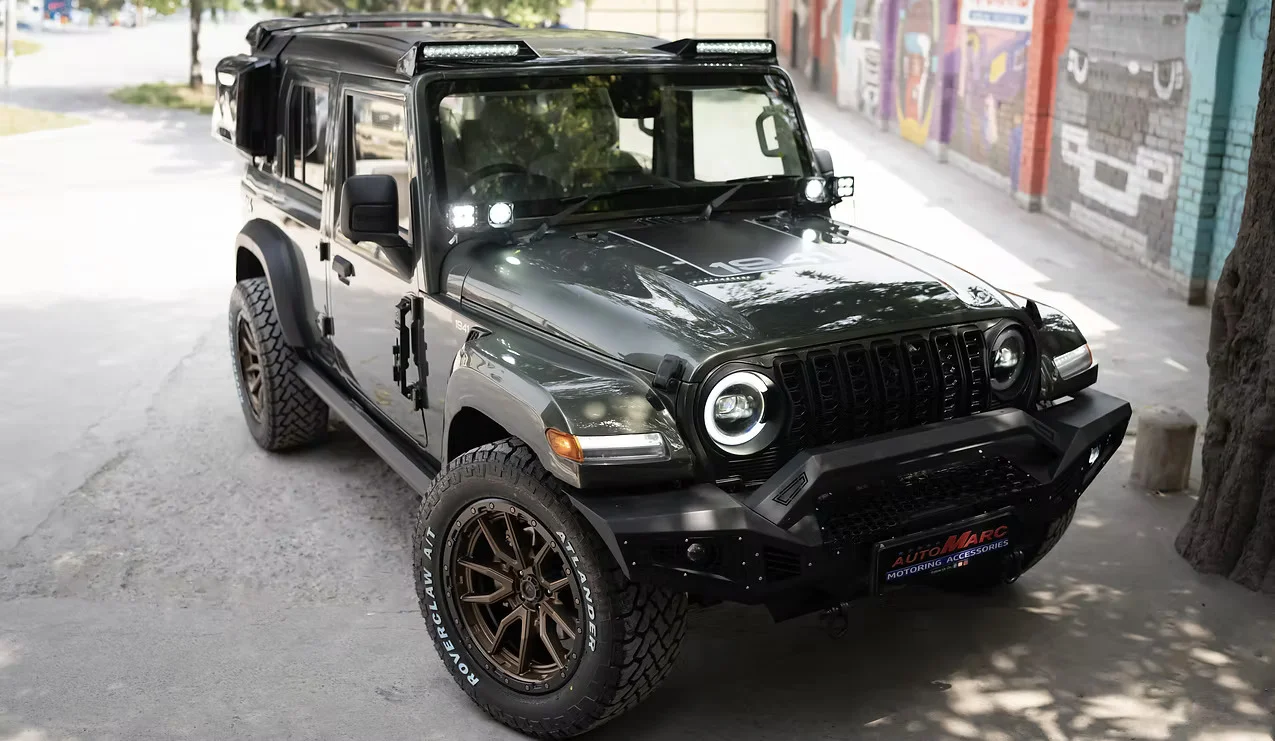
Buying a Mahindra Thar is the easy part. Figuring out which off-road performance upgrades actually matter — before finding out the hard way on an actual trail — is where most new owners get it wrong. It's an easy trap: the Thar looks ready for anything straight off the lot, and for the first few outings, it usually is. Then comes the trip where the trail turns technical, the light starts fading, and the gaps in the stock setup show up all at once.
This isn't a list of every possible modification. It's specifically about the off-road performance upgrades that first-time off-roaders consistently wish they'd sorted out earlier, based on where the stock Thar setup tends to run out of ability.
The Pattern Almost Every New Owner Repeats
There's a fairly predictable sequence: buy the Thar, do a couple of easy trails, feel confident, then hit something a bit more serious — deeper ruts, a rocky incline, a trail that runs past sunset — and suddenly notice things the brochure never mentioned. Headlights that don't reach far enough. A stance that feels unsettled on uneven ground. An underbody that clips something it really shouldn't.
None of this means the Thar isn't capable. It means the factory setup is built for a broad range of buyers, not for anyone's specific trail conditions. The upgrades below are what tend to close that gap.
Lighting Comes Up First, Almost Every Time
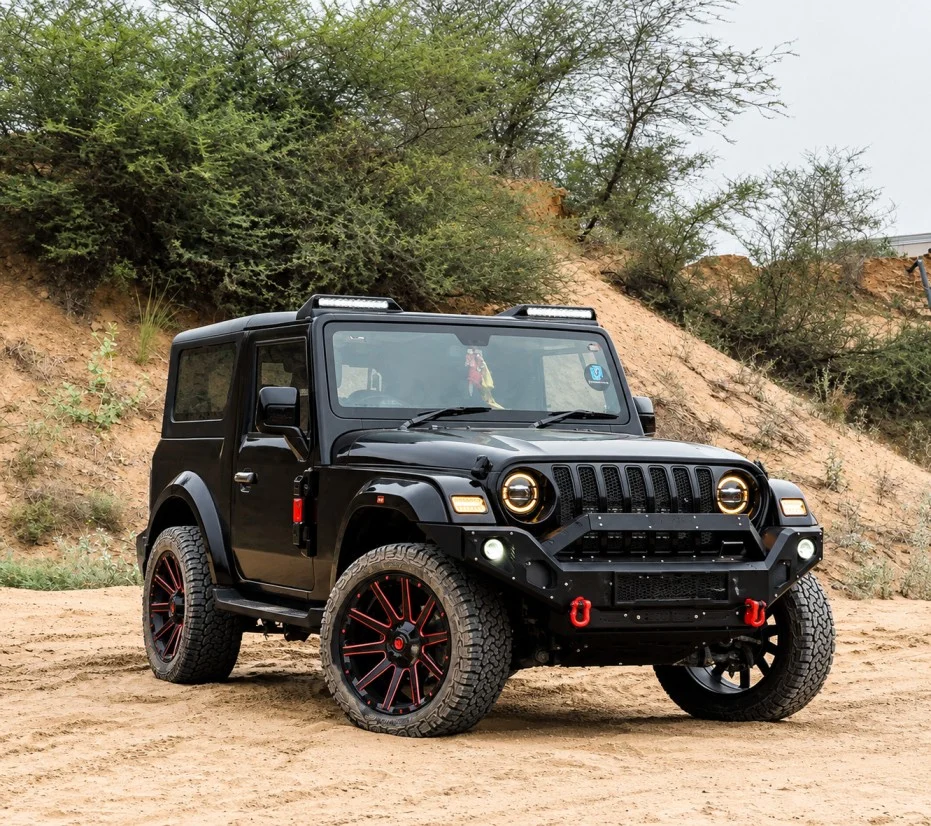
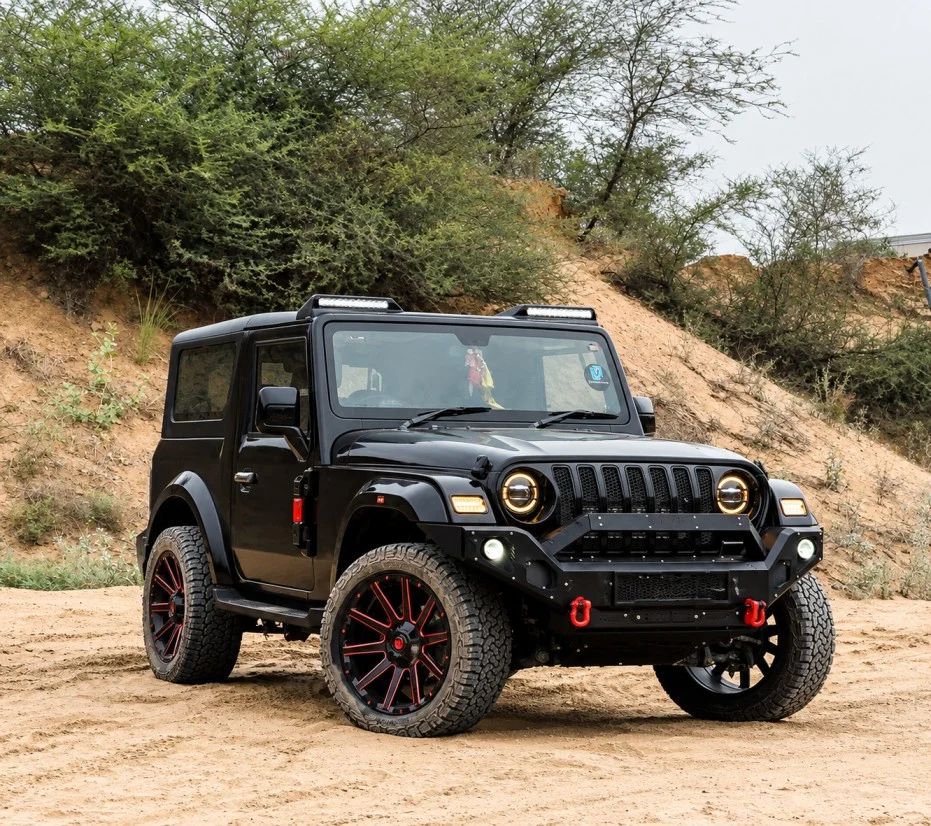
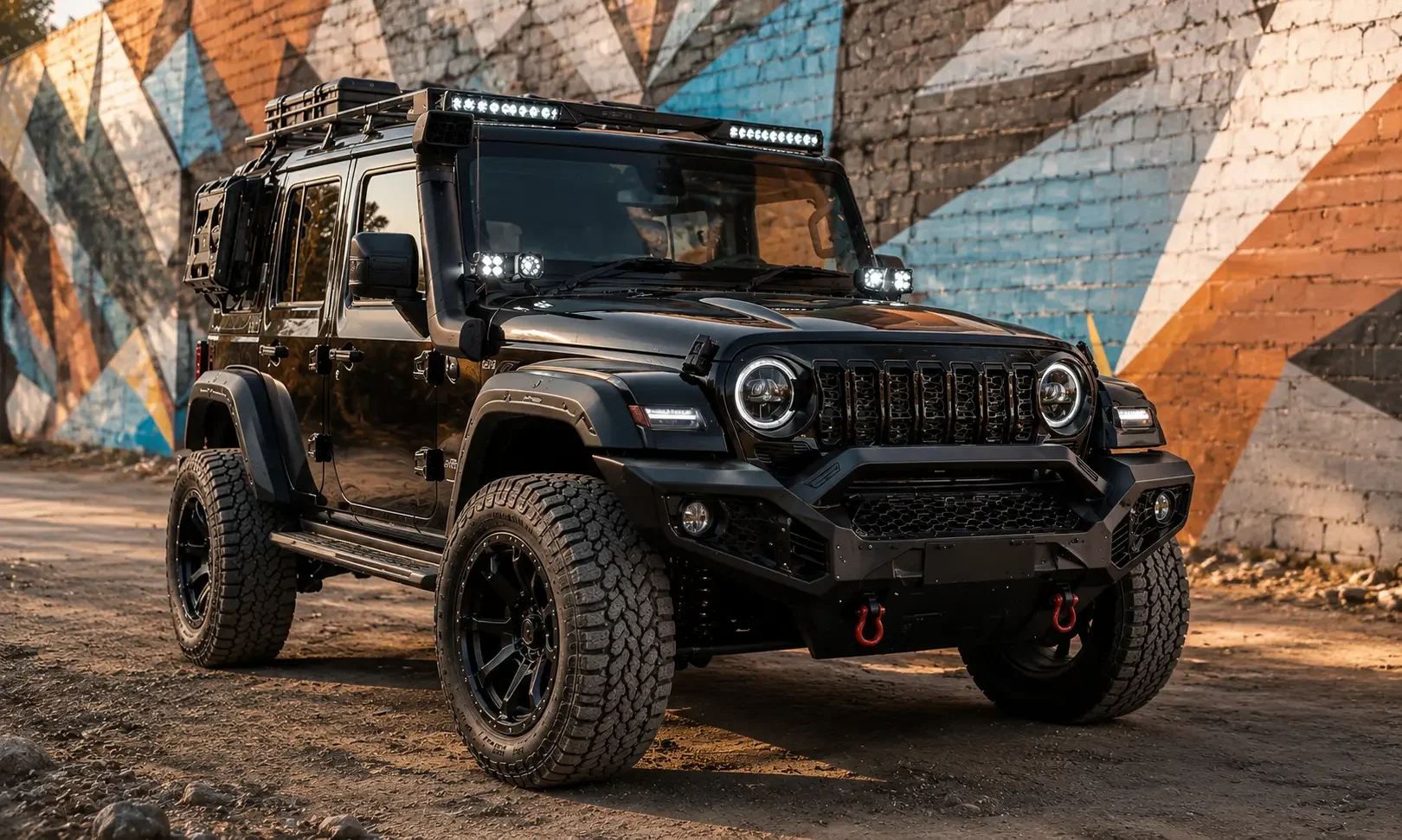
Ask around and this is usually the first regret: not upgrading the lighting sooner. Stock headlights are built for road use, and once a trail runs into evening or through dense tree cover, that becomes obvious fast. A proper LED bar or auxiliary spotlight setup fixes this — better range, better spread, and enough clarity to actually see what's coming instead of guessing.
One thing worth being direct about: the wiring for this needs a qualified mechanic. It's tempting to treat it as a simple bolt-on, but running new electrical circuits into a vehicle isn't something to rush through solo unless there's real expertise behind it.
Underbody Protection, the Upgrade Nobody Notices Until It's Too Late
Skid plates rarely make anyone's exciting upgrades list, which is exactly why they get skipped — right up until a rock strike finds the fuel tank or transfer case instead of a plate built to take the hit. It's a cheap upgrade relative to what it's protecting, and it's one of the more common regrets among owners who learned this the expensive way.
Tires, Which Do More Than People Expect
Stock tires are a comfort compromise, not an off-road one. Switching to all-terrain or mud-terrain tires tends to be the single biggest jump in actual capability available — more traction on loose or wet ground than any other single change.
Wheel Spacers and Stance
Widening the stance with wheel spacers improves stability on uneven or off-camber terrain, which matters more than it sounds like it should until it's actually been felt on a trail that tilts unpredictably. The catch: fitment has to be right. Poorly matched spacers put uneven stress on the wheel bearings over time, so this isn't the upgrade to buy on price alone.
A Quick Comparison: Stock vs. Common First Upgrades
Building It Out Without Overspending Upfront
Almost nobody does all of this before their first serious trip, and that's not really a mistake — it's normal. The smarter path tends to be: tires and skid plates first, since they prevent the most common trail-ending problems, then lighting once night trips become a regular thing, then stance and bumper upgrades as the trails get more demanding.
Frequently Asked Questions
Q : Is it worth upgrading before the first off-road trip, or is that overkill?
A : For a first outing on easy trails, stock is usually fine. The upgrades above become worth it once trips move past beginner terrain — which happens faster than most new owners expect.
Q : What's the single upgrade with the best return for the money?
A : All-terrain tires, by a wide margin. Nothing else changes actual grip and confidence on loose terrain as much for the cost.
Q : Can lighting be installed without a mechanic?
A : The physical mounting, often yes. The wiring, no — that's a job for someone who actually knows vehicle electrical systems, since a bad wiring job risks more than the light itself.
Q : Do wheel spacers cause long-term problems?
A : Only if they're the wrong fitment or poorly installed. Properly matched spacers, correctly torqued, don't cause the bearing issues that badly fitted ones can.
Final Thoughts
The gap between capable stock Thar and trail-ready Thar comes down to picking the right off-road performance upgrades in the right order, not just spending a lot of money — it's about spending it on the right things first. Tires, protection, and lighting solve the problems that actually end trips early; everything else is refinement once those basics are covered. For anyone piecing together a setup, Thar4x4Products is a reasonable place to look through the range of bumpers, lighting, wheels, and protection gear that fits into this kind of build-out.