Sign up with Google
 Sign in with Zoho
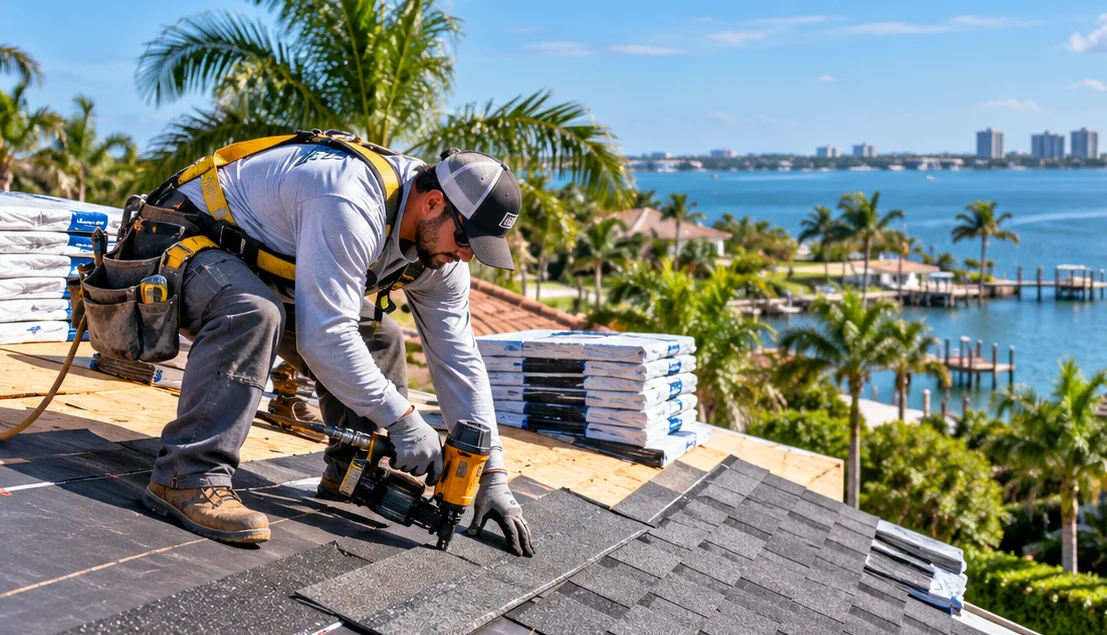
Getting a new roof isn't something most homeowners do very often. You might live in your house for years without thinking much about what's happening above your ceiling. Then one day, you notice a leak after a heavy rainstorm, find shingles scattered across the lawn, or realize your roof has been needing repairs more frequently.
Suddenly, you're looking into roof installation, comparing materials, and trying to figure out what the entire project involves.
If you've never replaced a roof before, it's normal to have questions. Will you need to leave the house? How messy will the work be? What happens if the crew discovers damaged wood underneath the old shingles?
The good news is that understanding the process ahead of time makes everything easier to manage.
Here's a closer look at what homeowners in Sarasota, Florida, can expect when having a new roof installed.
It Usually Starts With a Conversation, Not Construction
Before anyone climbs onto your roof with tools, a roofing contractor needs to understand what's going on.
Maybe you've noticed water stains on the ceiling. Perhaps your roof looks worn from the street, or a recent storm left you wondering whether the damage is more serious than it appears.
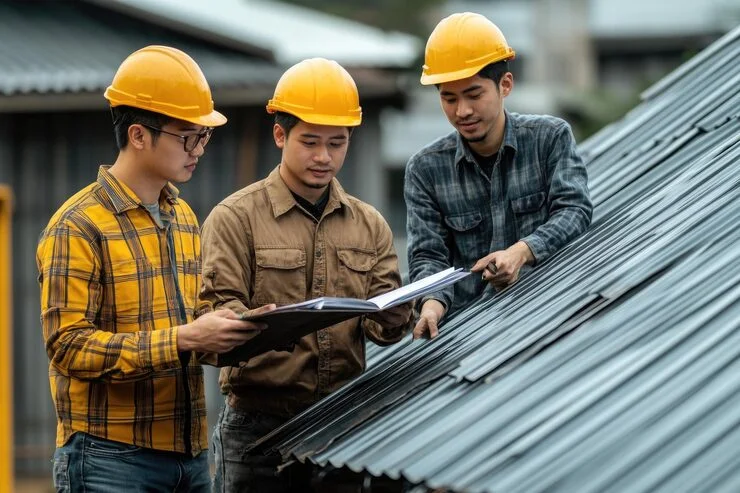
During the initial inspection, the contractor examines accessible parts of the roof, checks for visible damage, and looks at areas where water might enter.
They'll also consider the roof's size, slope, and overall design.
This is a good time to mention anything unusual you've noticed, even if it seems minor. A small stain in the guest bedroom or a leak that only appears during heavy rain could provide useful clues.
And remember, an inspection doesn't automatically mean you need a new roof. Sometimes a repair is enough. A trustworthy assessment should help you understand the difference.
Choosing a Roof That Makes Sense for Your Home
Once you've decided to move forward with installation, the next question is usually about materials.
In Sarasota, you'll see homes with asphalt shingles, metal roofs, and tile roofing. Each has its own appearance, maintenance needs, and installation requirements.
Asphalt shingles are a familiar option for many residential properties. Metal roofing offers a different look and comes in several styles. Tile can complement certain Florida home designs, although its weight and installation requirements need to be considered.
There's no universal answer to which material is best.
Your roof's shape, your budget, the home's structure, and applicable building requirements all play a role.
Rather than choosing a material simply because a neighbor has it, ask your contractor why a particular roofing system would work well for your property.
Before Work Begins, Know What's Included
One of the easiest ways to avoid confusion is to read the roofing estimate carefully.
A proper proposal should explain more than the price.
For example, will the crew remove the existing roofing materials? Does the estimate include new underlayment and flashing? Who handles permits? What happens if damaged roof decking is discovered?
These details matter because two roofing estimates can look similar while covering very different amounts of work.
You should also understand the payment schedule, the proposed materials, and any warranty terms.
If something in the estimate doesn't make sense, ask about it before signing.
It's much easier to clear up a question at the kitchen table than halfway through a construction project.
Your House Will Probably Get Noisy
Here's something homeowners sometimes underestimate: replacing a roof is loud.
There may be hammering, scraping, equipment noise, and plenty of movement overhead.
You can usually remain at home during many residential roof installation projects, but that depends on the work being performed and the property's conditions.
If you work remotely or have small children, it may help to plan around the busiest construction periods.
Pets can also become unsettled by unfamiliar sounds.
Consider giving them a quiet, secure space away from the work area.
Before installation day, move vehicles away from the house if the contractor needs driveway access. You may also want to secure fragile decorations and protect belongings stored in the attic.
A little preparation can prevent unnecessary headaches.
The Old Roof Comes Off First
For many roof replacement projects, the crew begins by removing the existing roofing materials.
This can be one of the messiest stages.
Old shingles, underlayment, and other materials are removed so the workers can inspect the surface underneath.
You may see debris containers or designated collection areas around the property.
Keep children and pets away from these locations, and avoid walking near active work zones.
Although the removal process can look dramatic from the ground, it serves an important purpose.
The contractor needs to see what's underneath before installing the new roofing system.
What If They Find Damaged Wood?
This is one of the biggest concerns homeowners have, especially when the old roof has leaked.
Once the roofing materials are removed, the crew can examine the roof decking more closely.
Sometimes everything is in good condition.
Other times, they may discover wood that has deteriorated because of moisture or another problem.
If damaged decking needs replacement, the contractor should explain what was found and why additional work is necessary.
Ask for documentation and a clear explanation of any added cost.
It can be frustrating when unexpected repairs affect your budget, but installing new roofing over unsound decking isn't a sensible shortcut.
Addressing the underlying problem is part of doing the job properly.
Installing the New Roof Is More Than Laying Down Shingles
From the street, a new roof might look like one layer of shingles, tiles, or metal panels.
In reality, several components work together to protect your home.
Depending on the roofing system, the crew installs underlayment, flashing, roof-edge materials, fasteners, and the final roof covering.
Flashing is particularly important around areas such as vents, chimneys, and roof-to-wall connections.
These locations need careful attention because water can find its way through poorly detailed openings.
The installation method also depends on the roofing material.
A metal roofing system isn't installed exactly like asphalt shingles, and tile roofing has its own requirements.
This is why experience with the selected material matters.
Florida Weather Doesn't Always Follow the Schedule
Anyone who has spent a summer in Sarasota knows how quickly the weather can change.
A sunny morning can turn into an afternoon thunderstorm.
Because roofing work takes place outdoors, weather can affect the installation schedule.
A contractor may need to pause work when conditions become unsafe or when rain could interfere with the project.
That doesn't necessarily mean something has gone wrong.
It's part of managing an outdoor construction job responsibly.
Before work begins, ask how the crew plans to protect exposed areas if the weather changes.
It's also worth keeping some flexibility in your schedule rather than expecting every stage to happen at an exact hour.
The Last Day Is About More Than Finishing the Roof
Once the new roofing materials are installed, the project isn't quite finished.
The crew still needs to clean up construction debris, remove unused materials, and review the completed work.
Required inspections must also be addressed.
Before making the final payment according to your agreement, make sure you understand whether any outstanding work remains.
Ask for warranty information, maintenance recommendations, and relevant project documents.
This is also a good opportunity to ask questions.
For example, when should you schedule a future inspection? Are there maintenance tasks you should avoid doing yourself? What should you look for after a major storm?
Keep the paperwork somewhere safe. You may need it for future maintenance or property-related records.
Finding the Right Roofing Help in Sarasota
A roof installation is a substantial home improvement project, and you should feel comfortable asking questions throughout the process.
Clear communication matters just as much as understanding the materials being used.
If you're researching roof installation services in Sarasota, Strong Roofing provides information about its roof installation offerings for local property owners.
Before choosing any contractor, review the proposed scope, verify applicable credentials, and make sure you understand how the project will be managed.
A Final Thought Before You Replace Your Roof
You don't need to become a roofing expert to make good decisions about your home.
You just need to understand the basics, ask questions when something isn't clear, and work with professionals who explain what they're doing.
Yes, a roof installation can be noisy and disruptive for a few days. There may be unexpected repairs or weather-related delays.
But when you know what to expect, those moments become easier to handle.
The most important thing is that the finished roof is appropriate for your home, installed correctly, and supported by clear documentation.