Sign up with Google
 Sign in with Zoho
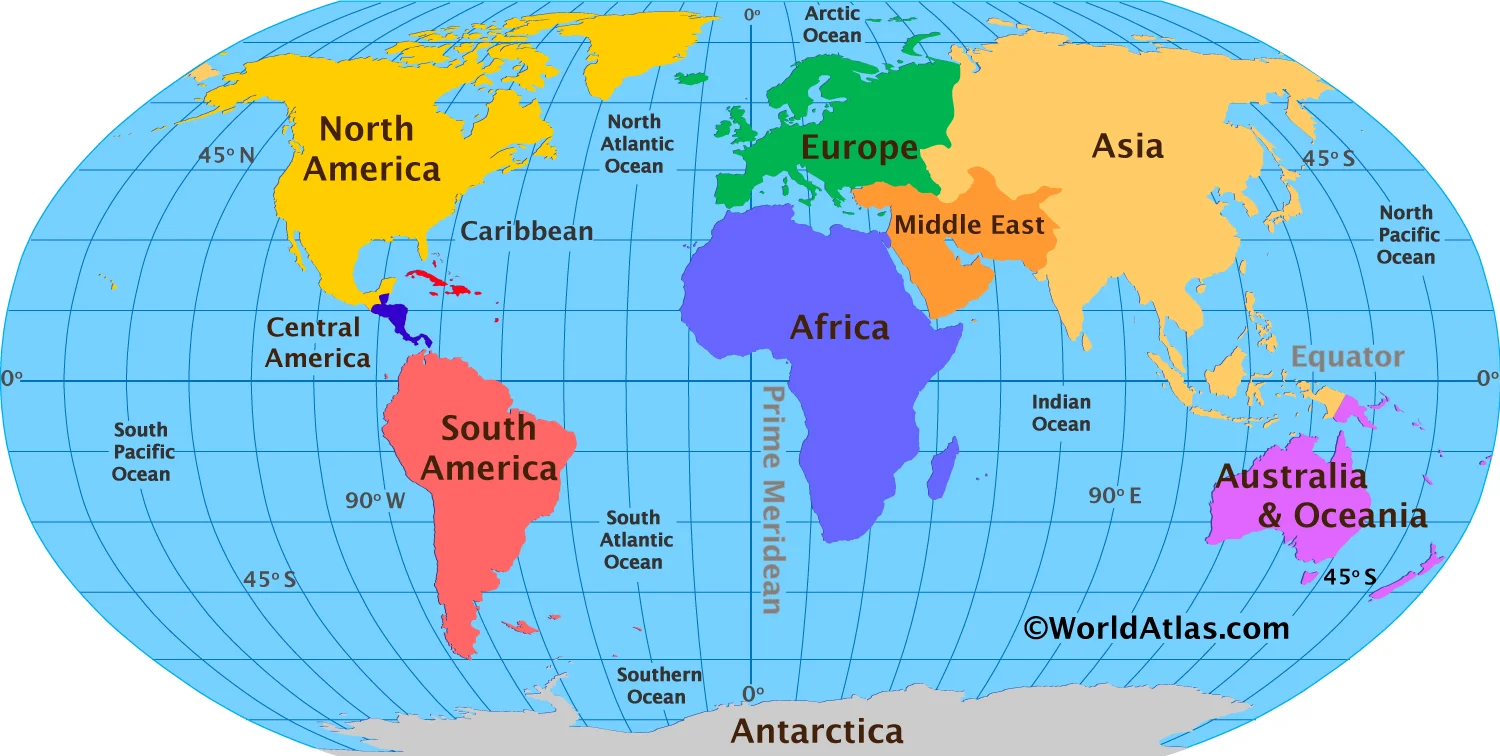
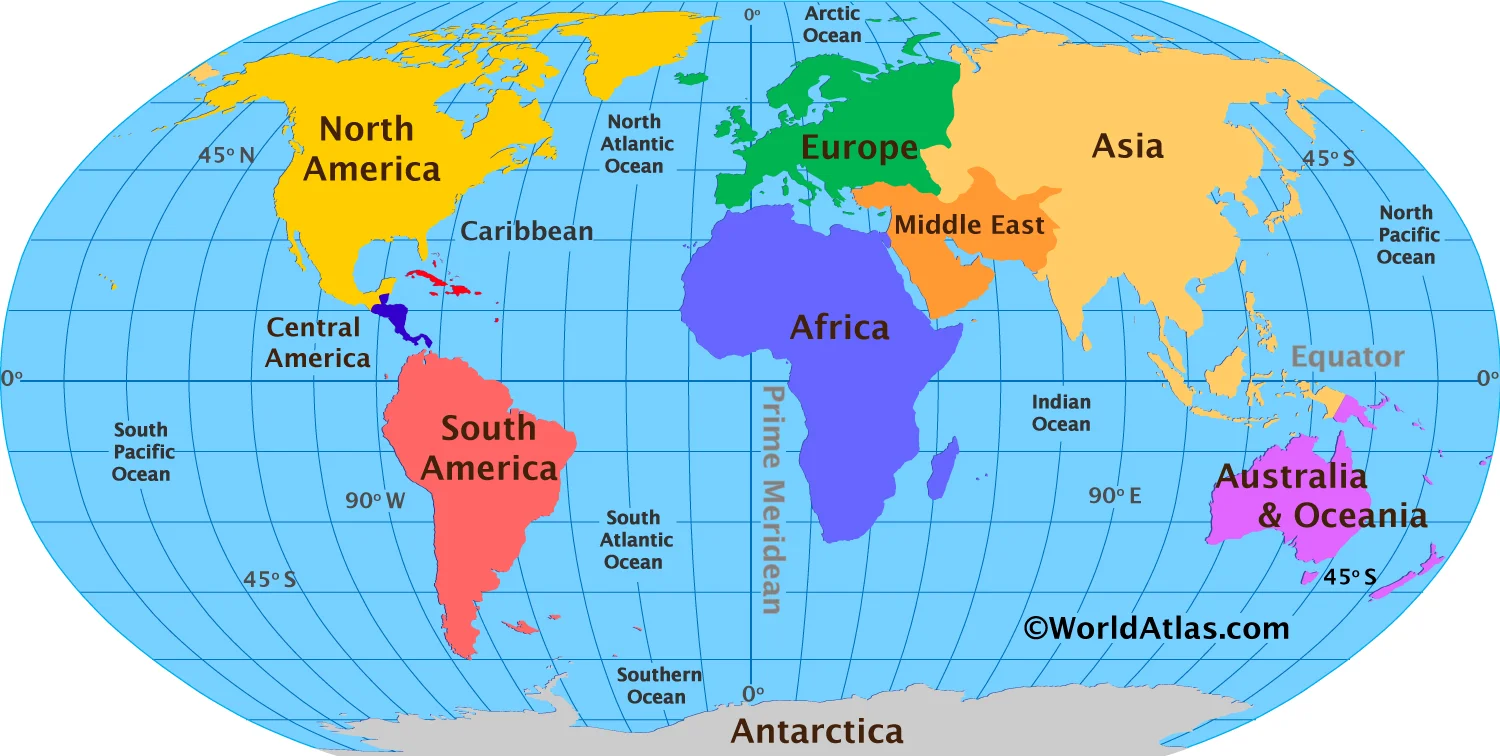
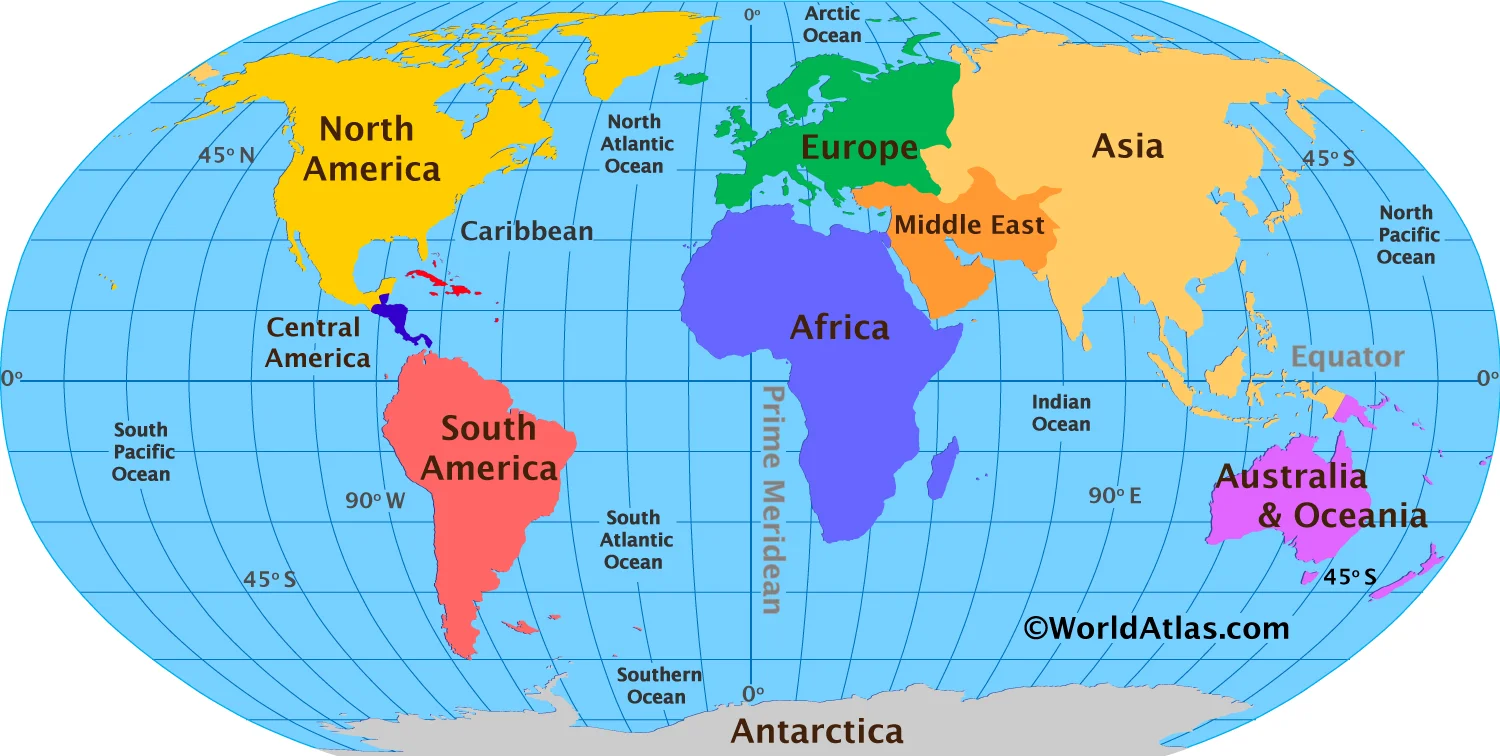
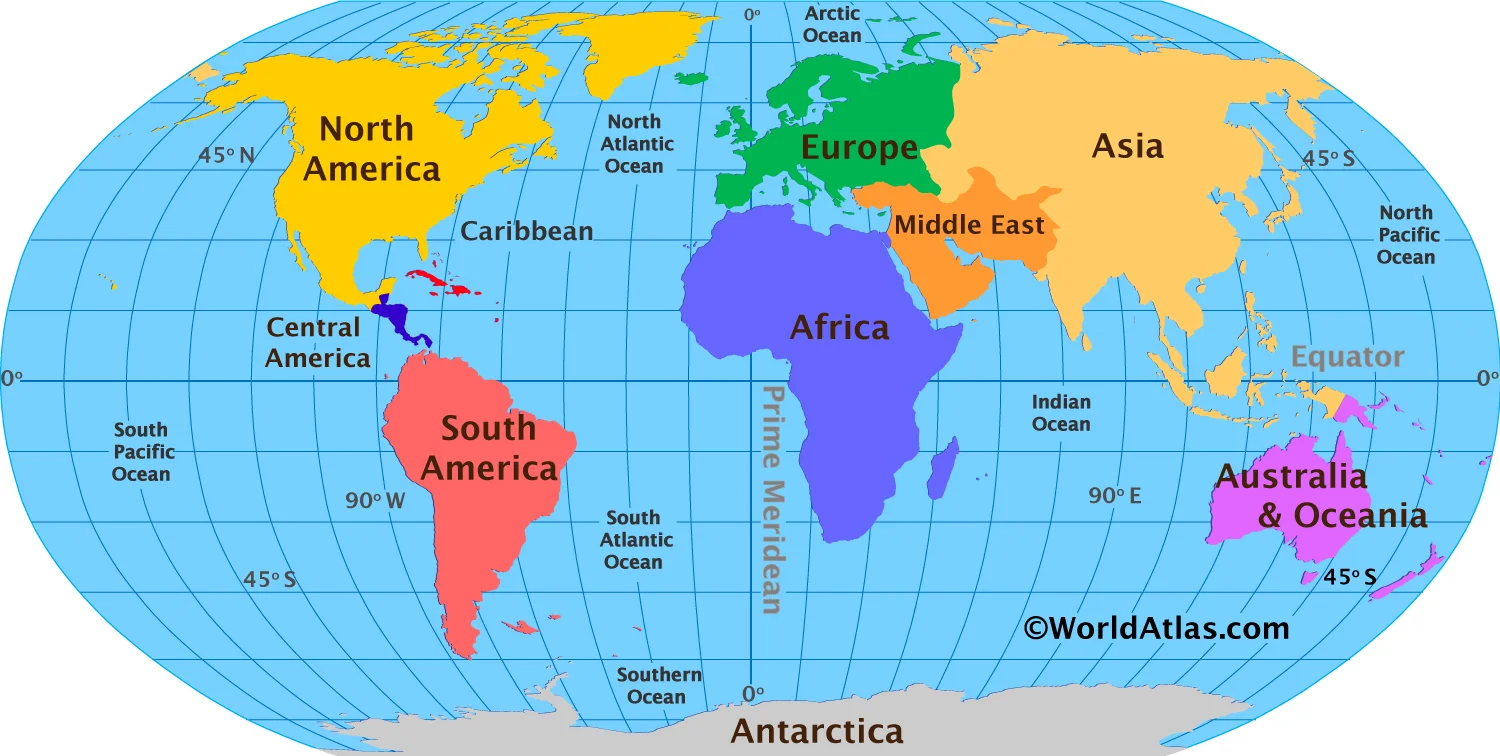
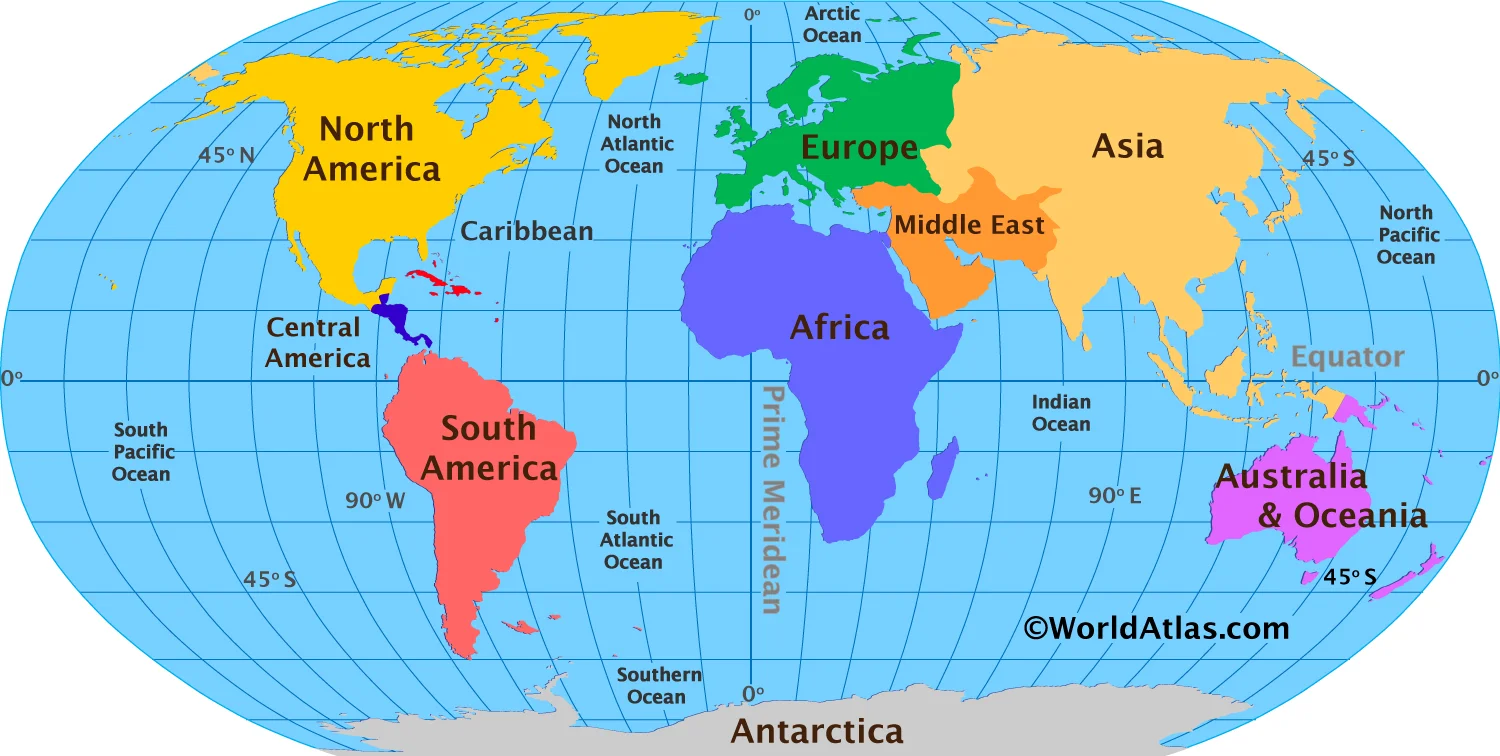
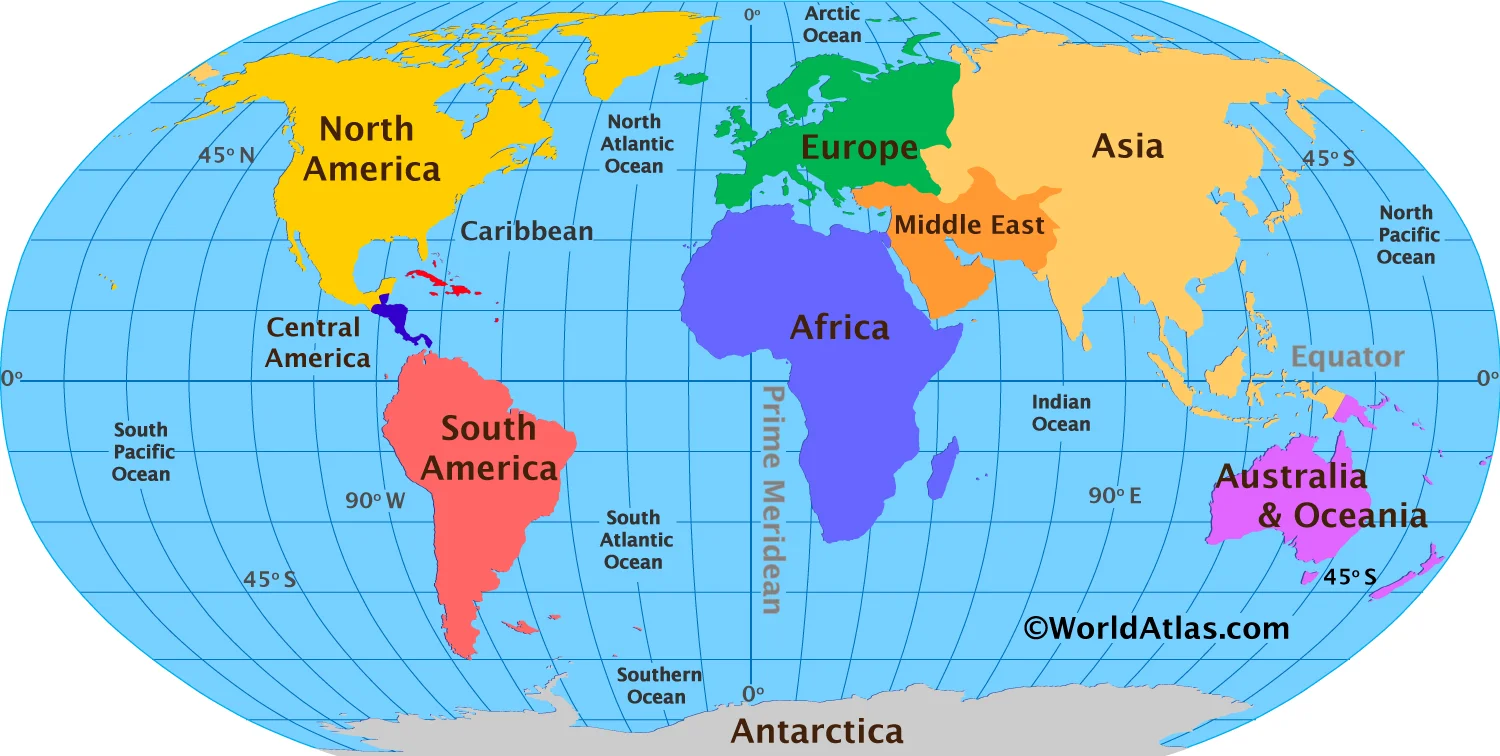
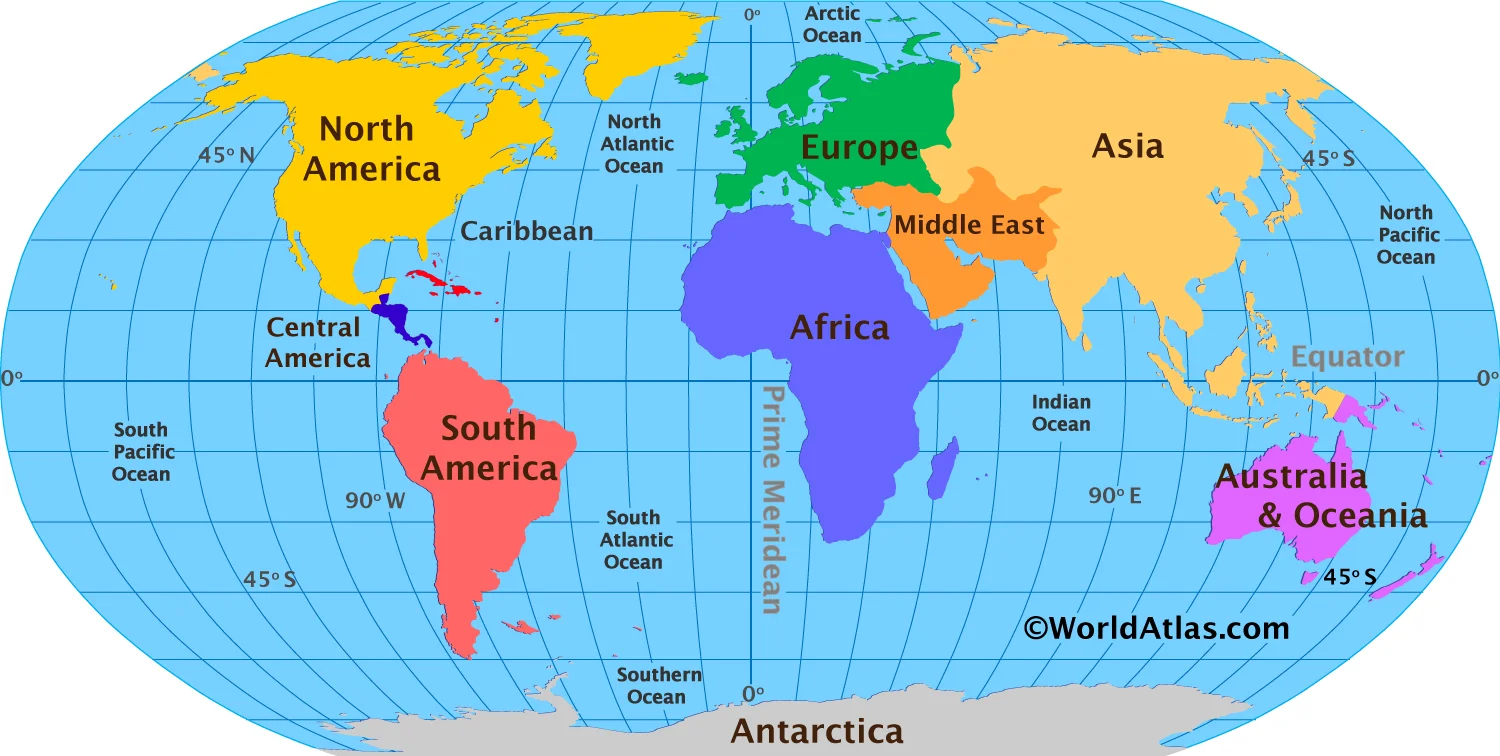
When US politician Sarah Palin commented that she could see Russia from her home she was not exactly exaggerating. The Diomede island chain of which big Diomede island controlled by Russia and little Diomede island controlled by the US, are separated from each other by a distance of just around 4 kms. One could literally see the next day arriving on the other side by standing on one island. Thus the US and Russia are pretty close to each other than one can imagine. But these Diomede islands are also an important choke point as they connect the Pacific Ocean to what can now be called as the earth’s final frontier as far as human race for resources is concerned, the Arctic Ocean.
As the ice in the Polar region continues to melt, partly by climate changes and partly by human activities , the northern sea route that can cut the transport time from Europe and US to Asia and beyond is opening up. Study suggests that this route can cut travel time between west and east by 40% thus reducing shipping costs as well as dependence on Suez and Panama Canal. Hence the Arctic region has become a new or rather could become a new arena for competition among different global powers.
Apart from the shipping lanes and trade routes the Arctic region is full of mineral riches particularly oil and gas deposits. It is also blessed with rich marine life and therefore has the potential of being a major fishing region. These riches have drawn attention of multiple countries especially those that sit astride the arctic coastlines. Thus the scramble for arctic has already begun.
But just like any competition this scramble too has players who have head starts or distinct advantages over others. Take for example Russia. Being a resident Arctic nation owing to a huge coastline straddling the Arctic Ocean it won’t be surprising if in future Russia suggests changing the name of the Arctic Ocean to Russian ocean. Moscow has several bases on the Arctic along with the largest fleet of ice breakers and is the only country operating nuclear powered ones as well. It is in prime position to exploit the resources of this region while the others play catch up.
It is no wonder that the US president Donald Trump is so keen to stake American claim on Greenland as that would give Washington a greater political leverage in the polar region. Controlling Greenland would enable the United States to balance Russia to an extent in the rough waters of the Arctic.
Unlike scramble for Africa where the European countries divided their zones of influence through imperial means the scramble for Arctic may see a more rule based contest. There is already an Arctic council in place comprising of 8 Arctic countries namely Canada, Russia,USA, Iceland,Finland,Denmark,Norway and Sweden. Apart from that there are 12 permanent observers of which both China and India are members.
New Delhi, on account of becoming the permanent observer in the Arctic council in 2013 got itself inserted into this “new great game”. China which has its own polar ambitions has declared itself as a near Arctic state ,more with an intent to stake its claims in the region sometime in future. The presence of India as an observer in the council serves the purpose of other powers, wary of growing future Chinese influence , to counter balance Beijing in the Arctic.
The good news from Indian perspective is that it has a natural friend in the Arctic in the form of Russia. Both Moscow and New Delhi concluded the RELOS agreement in 2026 which enables the two countries to deploy up to 3000 troops, 5 warships and up to 10 aircraft’s in each others territory for specific missions or operations. This ,of course is not tantamount to permanent basing rights as any such deployment is temporary and subject to prior approval from the host country. But again, from Indian perspective even temporary basing for specific military or even non military purposes, such as scientific research and exploration activities, increases New Delhi’s foothold in this vital region.
The RELOS is more about reach than overseas bases. While it gives Moscow access to Indian Ocean and warm water ports of India, it provides New Delhi with greater entry into a region where the future of trade and shipping may lie. Indian Ocean is the ‘present’ of global trade while Arctic could become the future. New Delhi already has a huge presence in the ‘ present’ but is also keeping an eye on the future as the signing of RELOS with Russia suggests. Geopolitics is indeed about to become Geopolarctics.