Sign up with Google
 Sign in with Zoho
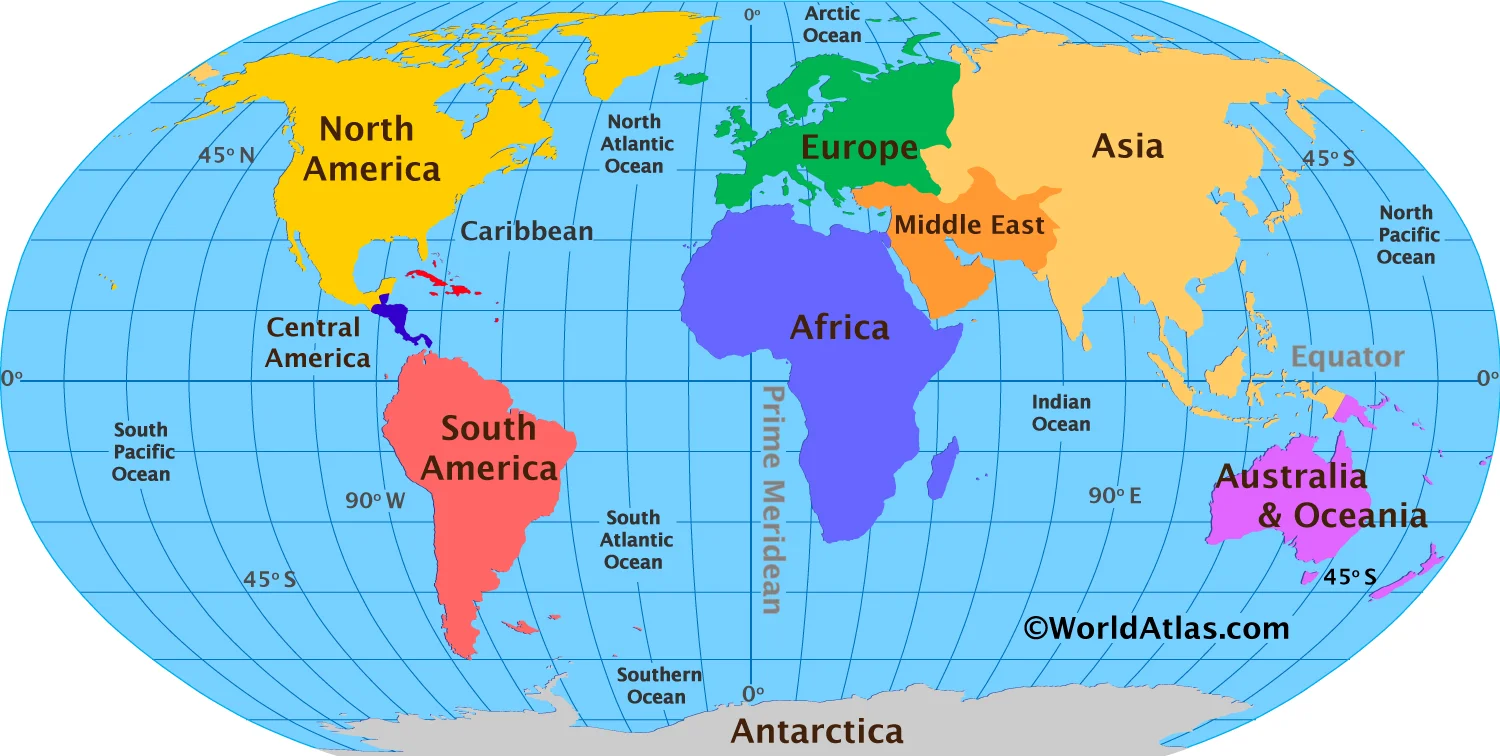
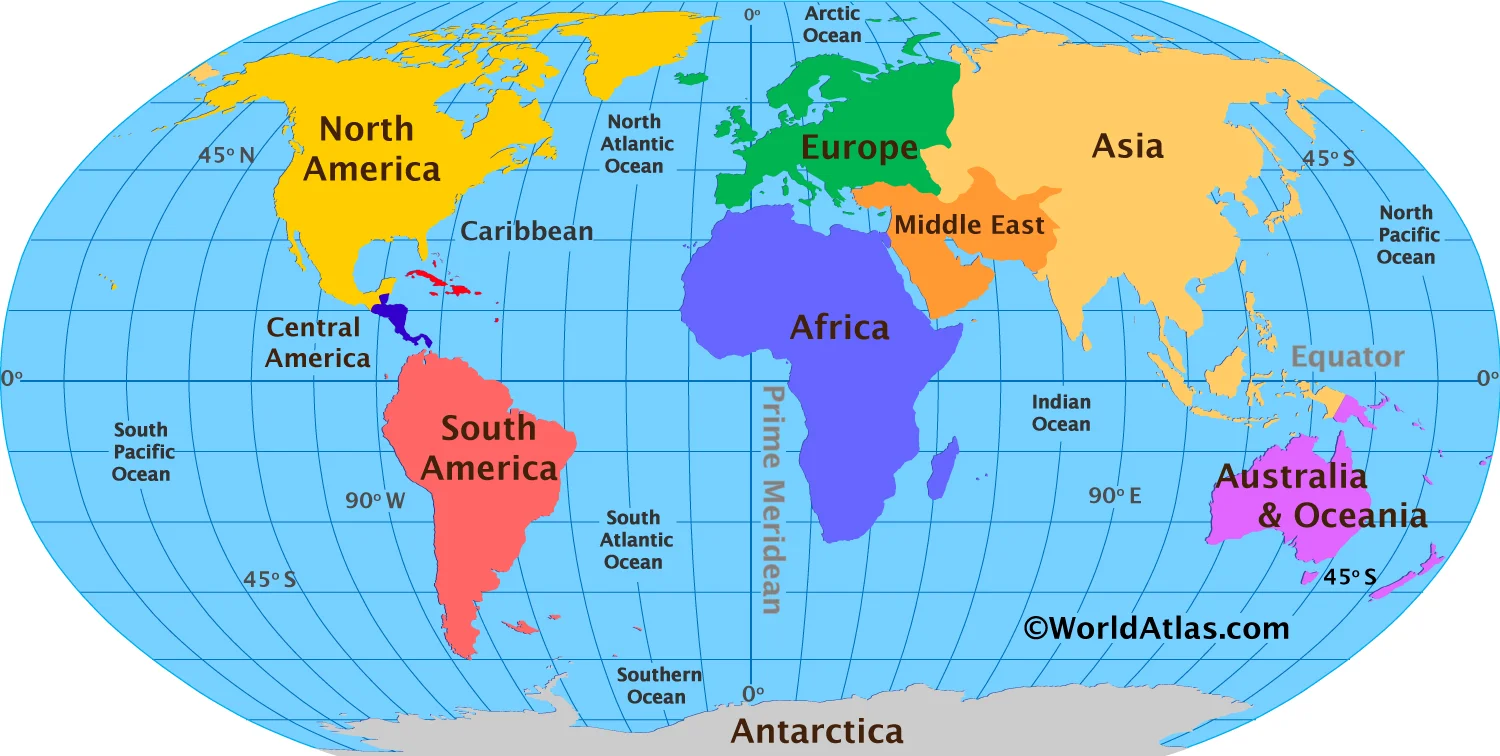
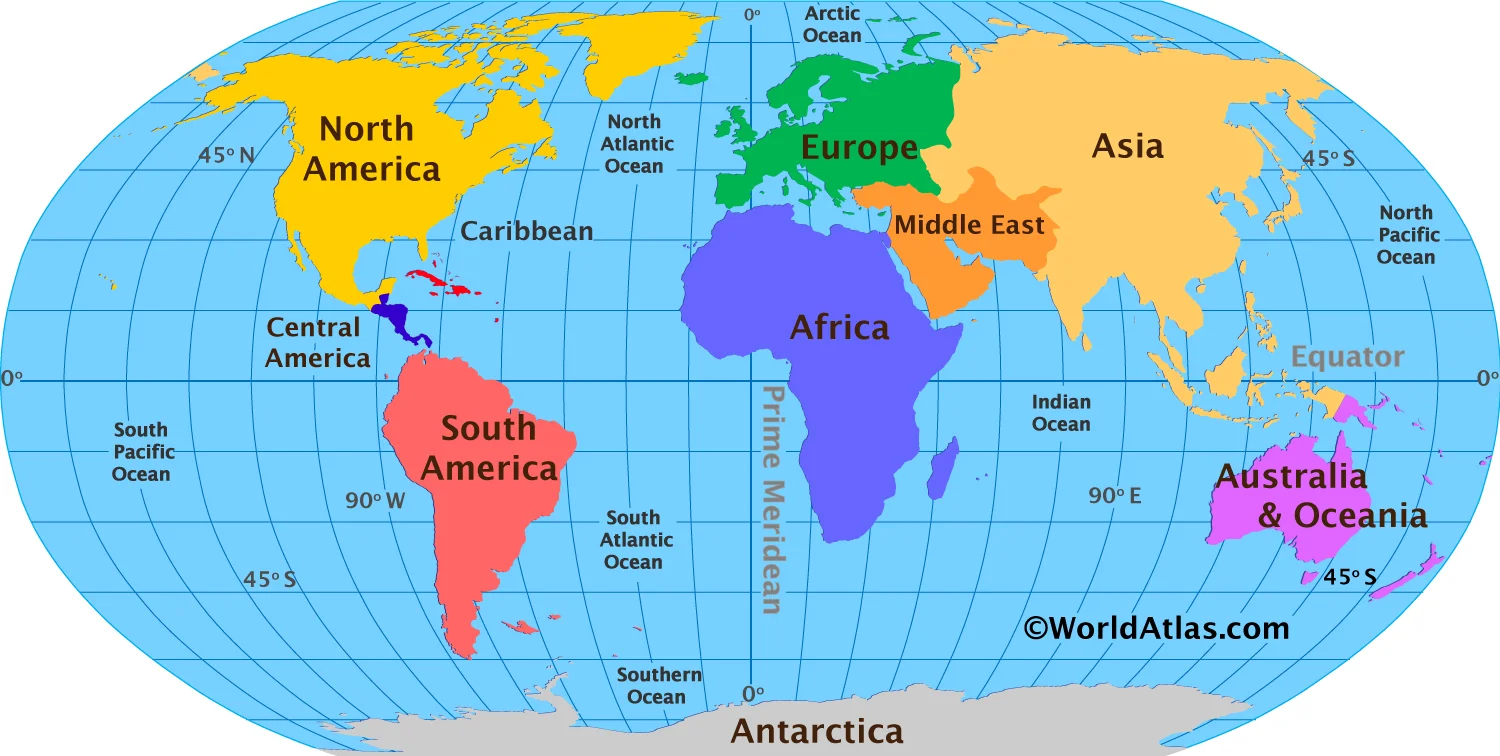
The partition of India and the subsequent Pakistani occupation of Gilgit Baltistan region of the princely state of Jammu and Kashmir constrained New Delhi’s geographic reach as India lost borders with Afghanistan and Iran. Hostilities with Pakistan meant that India was essentially deprived of a land access to Central Asia, a region, now comprising of five independent nations , rich in oil and natural gas alongside other critical minerals such as uranium and Tungsten.
Central Asia is a land locked region and its access to sea is dependent on other nations including Pakistan which increases the leverage of Islamabad. To reach Central Asia,India needs to circumvent Pakistan and this is where Iran comes into play. For Indian goods to reach the five ‘ Stan’s’ Iran acts a crucial and possibly the only viable land link. And now that link is under great strain with the ongoing conflict between US and Iran.
India had made considerable investment in the chabahar port of Iran and the port was strategically vital for New Delhi for accessing Central Asia. But hostility between Washington and Tehran meant that American shadow was always going to loom large on Chabahar project and multiple reports suggest that India has reluctantly given up on the port.
Central Asia is rich in oil, gas , Uranium and other critical minerals access to which is sought by many world powers ,India being one of them. What India needs is a functioning government in Iran which is in position to govern all of the country under its control. Instability in Tehran is what worries New Delhi more than whether the government there is pro India or not.
India therefore needs to consider alternate routes to Central Asia. New Delhi also needs a substitute to Chabahar and the Omani port of Dqum could be a solution. Central Asian countries are increasingly pursuing a “ multi vector policy “ an approach that enables them to reduce dependence on their two giant neighbours,China and Russia. India is one such alternative.
However the “ five Stan’s” are also looking for reliable partners and not the ones for whom geography acts as a prison. India’s connect Central Asia policy which was unveiled in 2012 hasn’t gained much traction partly because it suffers from geographical constraints.
Looking forward New Delhi will be hopeful for an early resolution to the US- Iran conflict as a stable Iran is vital for international north south transport corridor ( INSTC) in which India has a substantial stake. As Pakistan flaunts itself as a mediator in the US-Iran war, for once New Delhi may be cheering for Islamabad. As they say, international politics can make room for strange bedfellows.