Sign up with Google
 Sign in with Zoho
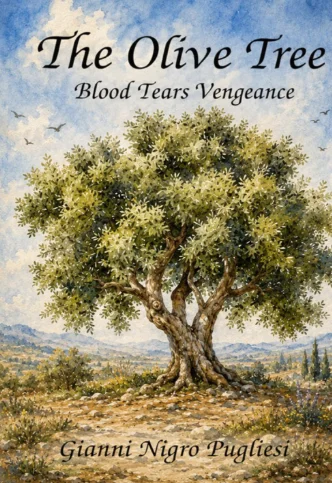
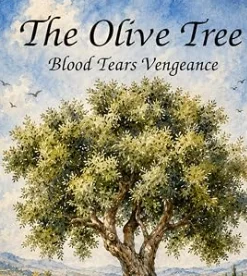
Gianni Nigro Pugliesi fixes that problem in The Olive Tree: Blood Tears Vengeance. This 2026 saga trades glamour for roots, quite literally. It starts in an olive orchard on Mount Missirio, Sicily, and follows one family through decades of loss, ambition, and hard choices.
What Sets This Mafia Family Saga Apart
Most crime novels open with a crime. This one opens with a tree.
Pugliesi begins with a short history of the orchard, planted in 1621, and the ancient olive tree that has outlived wars, owners, and empires. That single image gives the whole book a spine. Every later scene, whether set in Sicily or far from it, answers the same quiet question: what do people owe the family and land that shaped them?
Eight chapters carry the story, from "Roots of Sicily" to "Justice Under the Olive Tree." The titles alone promise a full arc, and the book delivers one without losing its way.
Three Problems in Crime Fiction, and How This Book Solves Them
Problem one: characters nobody cares about. Pugliesi builds affection before he builds tension. Readers meet a family that gathers at long wooden tables every month, children who turn a branch-filled treetop into a fort, and neighbors who grow up like brothers. Because the book makes ordinary joy feel real, the stakes feel real too.
Problem two: stories that lose their footing. Long sagas often leave readers hunting for the timeline. Pugliesi anchors his chapters with clear dates and a steady sense of place. Warm wind, buzzing cicadas, and sun-stretched shadows keep readers grounded in the orchard even as the story travels across continents.
Problem three: violence without meaning. Plenty of mafia novels treat bloodshed as decoration. Pugliesi treats it as a debt. The title promises blood, tears, and vengeance, and the book asks what each one costs the people who carry it.
Themes That Linger After the Last Page
Several ideas run through the novel, and each one rewards a thoughtful reader:
- Family as both shelter and burden. Loyalty protects the characters, yet it also pulls them toward choices they might never have made alone.
- An old code of survival. The story explores traditions that families follow for generations, and what happens when young people inherit rules they never chose.
- Friendship that feels like kinship. Some of the book's strongest moments come from bonds built outside blood.
- Legacy and justice. The closing chapters ask whether justice can ever feel like peace.
Is This Book Right for Them? A Quick Self-Check
Readers can test their own fit with this short list. A reader who nods at three or more will likely love this book:
- ☐ Enjoys multigenerational stories that span many years
- ☐ Prefers emotional depth over pure shock value
- ☐ Appreciates strong settings, especially Mediterranean landscapes
- ☐ Likes stories where family loyalty drives every decision
- ☐ Wants a mafia story with something to say about justice
A Reader's Experience, Imagined
Picture a reader who grew up at a crowded family table, where an uncle argued about football and someone always warned the kids not to finish the soda before lunch. That reader will recognize the warmth in the early pages instantly. Then the book asks that same reader to imagine losing the table, and the reader feels the weight of it. That emotional honesty, more than any plot twist, explains why the saga sticks with people.
What Readers Should Know Before Starting
Honest guidance helps readers choose well, so here is a fair warning. The book deals with mafia violence, and some early scenes are intense. The author handles them to establish stakes rather than to shock, but sensitive readers should prepare themselves.
Pacing deserves a mention too. At roughly 300 pages, the book moves through years quickly and rewards readers who enjoy sweeping stories over slow, single-scene dramas.
Quick Answers to Common Questions
Does a reader need earlier books to follow the story? No. The book opens with the orchard's history and introduces the family from the beginning.
Who should read it first? Fans of Sicilian-set fiction, family dramas, and revenge stories with an emotional core will feel at home right away.
Does it work as a book club pick? Absolutely. Questions about loyalty, justice, and inheritance spark lively conversation, and the olive tree's symbolism gives groups plenty to unpack.
The Verdict
The crowded mafia genre rarely produces a story with this much heart. The Olive Tree: Blood Tears Vengeance respects its readers, rewards their patience, and plants a memorable image that grows stronger with every chapter. If you're looking for the best new mafia family saga of 2026, this one deserves a spot at the top of the list.
Ready to read it? Pick up a copy, settle into a quiet corner, and then share your favorite moment with a fellow reader. Great sagas grow when people talk about them, much like an olive tree grows when someone tends it.