Sign up with Google
 Sign in with Zoho

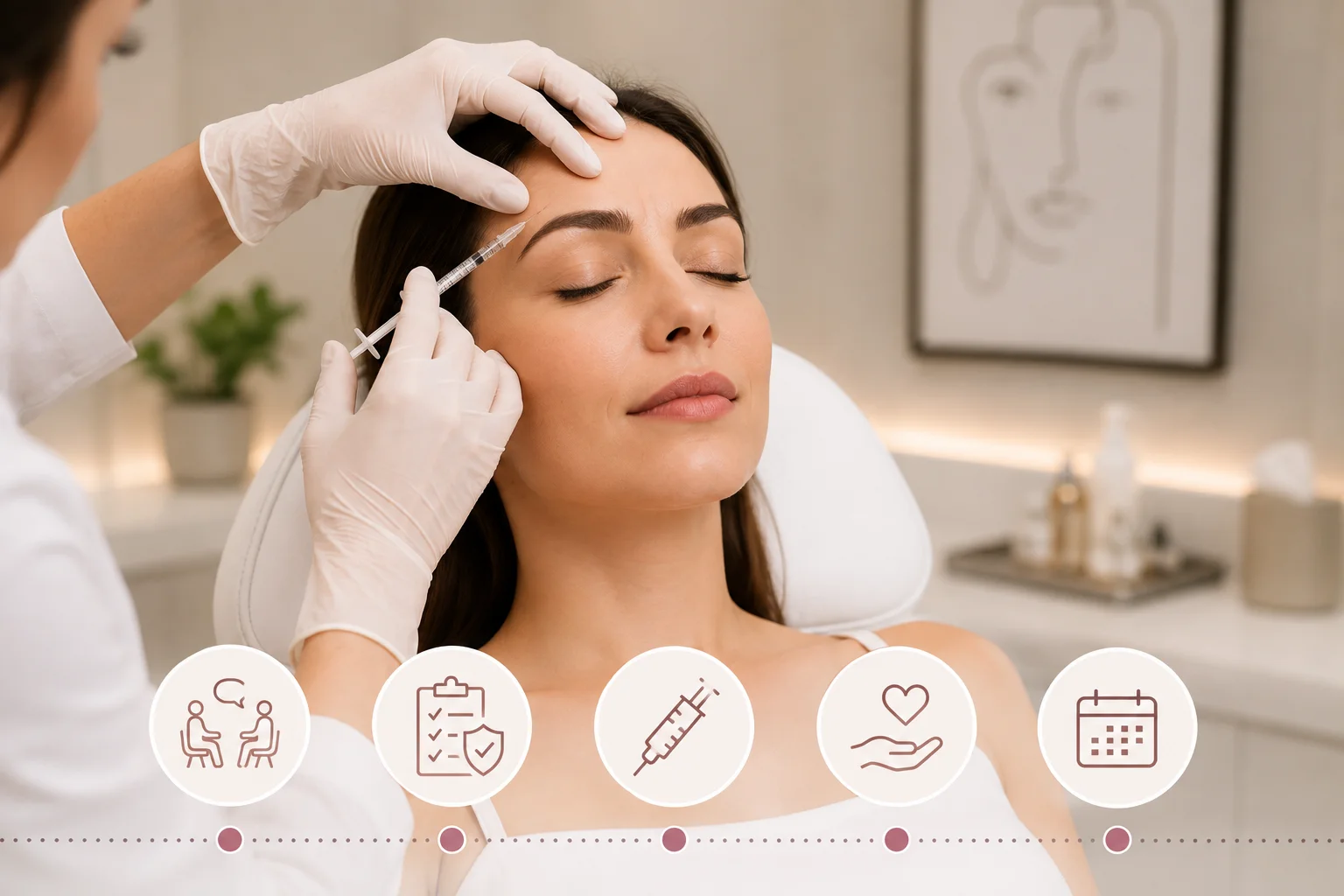
PRP treatment is now used in several areas of aesthetic and regenerative care. You may have heard about it for improving skin, treating thinning hair, or even supporting recovery from certain sports-related injuries.
That can make PRP a little confusing. Is it mainly a hair treatment? Is it for skin? Does it actually help with tissue repair?
The answer is that PRP is not one specific treatment for one specific condition. It is a technique that uses components from your own blood to support the body's natural repair process. How it is used depends on the area being treated and the reason for treatment.
What Does PRP Stand For?
PRP stands for platelet-rich plasma.
Blood contains red blood cells, white blood cells, platelets, and plasma. Platelets are commonly associated with blood clotting, but they also contain growth factors and other substances involved in tissue repair.
During a PRP treatment, a small amount of blood is taken from the patient. The sample is then processed in a centrifuge, which separates the different blood components and concentrates the platelet-rich plasma.
The resulting PRP is then applied or injected into the area being treated. The idea is to deliver a concentrated amount of platelets and their growth factors to the target area, where they may support the body's natural healing response.
How Is PRP Used for Skin?
PRP is commonly used as part of skin rejuvenation treatments.
For facial treatments, PRP may be applied after microneedling or injected directly into selected areas. The aim is to encourage the skin's natural repair process and support collagen production.
Over time, this may help improve aspects such as skin texture, firmness, and overall appearance.
PRP is different from a dermal filler. A filler is designed to add volume directly to a particular area, whereas PRP relies on the body's own regenerative response. So the effect and the way the treatment works are quite different.
How Is PRP Used for Hair?
PRP can also be used for people experiencing hair thinning.
In this type of treatment, PRP is injected into areas of the scalp where the hair is becoming thinner. The growth factors in the concentrated plasma are intended to support the existing hair follicles and create a healthier environment for hair growth.
This distinction is important. PRP is generally considered more useful when viable hair follicles are still present. It is not a treatment that simply creates new follicles in an area that has been completely bald for a long period.
For that reason, the stage and pattern of hair loss are important when deciding whether PRP is appropriate.
What Determines Whether PRP Is Suitable?
PRP does not produce identical results for everyone. Several factors can affect whether it is a reasonable option.
The extent of the problem: PRP may be more appropriate for early hair thinning or mild-to-moderate skin concerns than for advanced hair loss or extensive skin damage.
Your expectations: PRP does not normally produce an instant cosmetic change. Improvements tend to develop gradually as the body responds to the treatment.
Your health and medications: Certain medical conditions and medications can affect platelet function. This is one reason a proper assessment is important before treatment.
Following the recommended treatment plan: PRP is commonly performed as a series of treatments rather than as a single session. The number and spacing of treatments depend on the treatment area and individual circumstances.
What Happens During a PRP Treatment?
Although the exact procedure can vary depending on whether PRP is being used for skin or hair, the basic process is relatively straightforward.
1. Blood is drawn
A small amount of blood is collected, much like a standard blood test.
2. The blood is processed
The sample is placed into a centrifuge. This separates the blood components and allows the platelet-rich portion of the plasma to be concentrated.
3. The PRP is applied
The prepared PRP can be injected into the treatment area. For skin treatments, it may also be used alongside microneedling. For hair treatments, it is generally injected into selected areas of the scalp.
4. The area recovers
PRP usually involves relatively little downtime. Some people may experience temporary redness, tenderness, or sensitivity around the treated area for a short period.
Because PRP is prepared from the patient's own blood, allergic reactions to the PRP itself are less of a concern than with treatments involving an external substance. However, that does not mean an assessment is unnecessary.
How Many PRP Sessions Are Usually Needed?
There is no single number of sessions that applies to everyone.
PRP treatment is generally planned as a series of sessions spaced several weeks apart. Some people may then have maintenance treatments depending on their treatment goal and response.
This is also why it is unrealistic to expect the full result from one appointment. PRP is intended to support biological processes that take time, rather than provide an immediate change.
The recommended number of sessions should therefore be based on the individual treatment plan rather than a fixed number advertised for everyone.
Common Misconceptions About PRP
"PRP gives immediate results."
Usually, it does not.
PRP works by supporting the body's own repair processes. Any visible changes tend to develop gradually over the following weeks or months rather than appearing immediately after treatment.
"PRP is basically the same as a filler."
It isn't.
Dermal fillers are designed to add volume directly to a particular area. PRP works differently, using concentrated platelets and their growth factors to support the body's natural repair response.
PRP and fillers can sometimes be used as part of the same broader aesthetic plan, but they have different purposes.
"PRP can grow hair on completely bald areas."
This is another common misunderstanding.
PRP is generally intended to support existing or weakened hair follicles. If follicles are no longer active in a completely bald area, PRP should not be presented as a way to simply create new hair follicles.
The stage and cause of hair loss therefore matter when considering treatment.
"It's my own blood, so I don't need an assessment."
Using your own blood does not make every PRP treatment suitable for every person.
Certain blood disorders, infections, medications, and other health factors can affect whether PRP is recommended. A proper assessment helps determine whether the treatment makes sense for the specific concern.
Why Has PRP Become Popular in Aesthetic Treatment?
One reason PRP has attracted attention is its use of the patient's own blood components rather than relying entirely on an external substance.
For people who prefer treatments that work with the body's existing biological processes, that can be appealing.
PRP is also not limited to aesthetic medicine. Platelet-rich plasma has been used in different areas of regenerative and sports medicine, including applications involving tendons and joints. Its use for skin and hair focuses on different tissues, but the basic principle of concentrating platelets remains the same.
PRP for Skin vs. PRP for Hair
The PRP itself is prepared using the same basic principle, but the way it is used can be quite different.
For skin: PRP may be combined with microneedling or injected into specific areas. The main goal is generally to support collagen production and improve aspects of skin texture, tone, and firmness.
For hair: PRP is usually injected into the scalp in areas affected by thinning. The goal is to support existing follicles and encourage healthier hair growth.
Treatment schedules: Both skin and hair treatments commonly involve multiple sessions, but the number of sessions and the interval between them can vary.
Understanding these differences is useful because the treatment experience and expected results depend heavily on why PRP is being used.
Frequently Asked Questions About PRP
Is PRP treatment painful?
Most people experience some discomfort during the injection or microneedling part of the procedure. A topical numbing cream may be used for certain treatments if appropriate.
Some sensitivity or tenderness can remain afterward, but it is generally temporary.
How long do PRP results last?
The duration varies depending on the individual, treatment area, and reason for treatment.
Some people have follow-up or maintenance sessions to help maintain the results. This is partly because normal ageing and, in the case of hair treatment, the natural hair-growth cycle continue after the initial treatment course.
Can PRP be combined with other treatments?
Yes. PRP is commonly used alongside microneedling for certain skin treatments. Depending on the person's goals and assessment, it may also form part of a broader aesthetic or regenerative treatment plan.
The combination should be decided by a qualified professional rather than assuming that adding more treatments will automatically produce better results.
Who may not be suitable for PRP?
People with certain blood disorders, active infections in the treatment area, or medications that significantly affect platelet function may not be suitable for PRP.
A health assessment before treatment is important for identifying factors that could affect safety or results.
Does PRP hurt more for hair treatment than skin treatment?
The sensation varies from person to person.
Scalp PRP can sometimes feel more sensitive because the treatment involves multiple injection points across the scalp. Facial PRP can also cause discomfort, particularly when injections or microneedling are involved.
How quickly can I return to normal activities?
Many people can return to their normal routine the same day or the following day.
However, aftercare instructions can vary depending on the treatment. Avoiding strenuous exercise and direct sun exposure to the treated area for a short period may be recommended.
Final Thoughts
PRP treatment can be used for several different purposes, including skin rejuvenation and hair restoration. The underlying idea is the same, concentrating platelets from the patient's own blood and using them to support the body's natural repair response.
However, PRP is not a universal solution, and the results depend on factors such as the condition being treated, its stage, the individual's health, and the treatment plan.
If you are considering PRP for skin or hair concerns, you can read about the available PRP treatment options and PRP treatment plans.
If you're unsure whether PRP is suitable for your particular concern, book a consultation to discuss your goals and treatment options.