Sign up with Google
 Sign in with Zoho

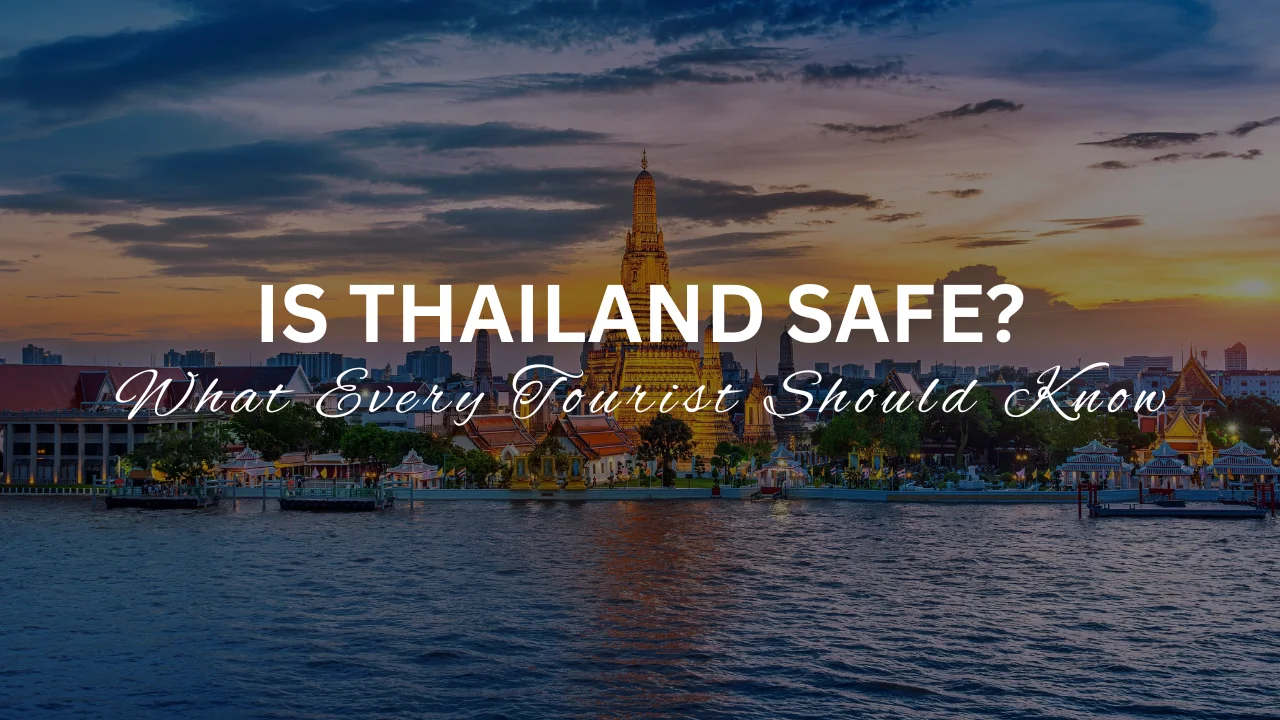
Thailand gets millions of visitors, but it’s normal to wonder about safety before you go somewhere new. Is it okay to walk around Bangkok at night? What about taxis, the islands, or towns far from the tourist areas?
Most visitors get around Thailand without big problems. That doesn’t mean there’s no risk. Road accidents, scams, theft and health issues do happen to tourists. A bit of planning helps, and so does reading the Thailand entry requirements and travel information before you book, so nothing catches you out.
Here is what to know before you travel.
Is Thailand Safe for First-Time Visitors?
If you stick to the popular places, Thailand is easy to get around. Bangkok and Chiang Mai have hotels, transport and staff who deal with foreign visitors all the time. Phuket and Krabi get plenty of tourists too.
Still, don’t expect things to work like they do in your own country. Traffic is heavy, the rules are different, and not everyone you meet means well.
Plan simple trips, use transport you can trust, and ask your hotel staff when you’re not sure about an area.
Watch Out for Common Tourist Scams

Most people you meet are just getting on with their day, but tourist scams do happen. They tend to involve transport, shopping or sightseeing.
A common story is someone telling you a famous attraction is closed, then pointing you to another place, shop or tour. Look up the opening times yourself before you change your plans.
A few easy habits help:
- Agree on the price before you get in a tuk-tuk.
- Take metered taxis or ride-hailing apps when you can.
- Ask the price before you order food, drinks or any service.
- Never leave your passport with someone as a deposit for a rental.
- Be careful with strangers who offer deals that sound way too cheap.
If something feels wrong, say no politely and walk away.
Take Care on Thai Roads
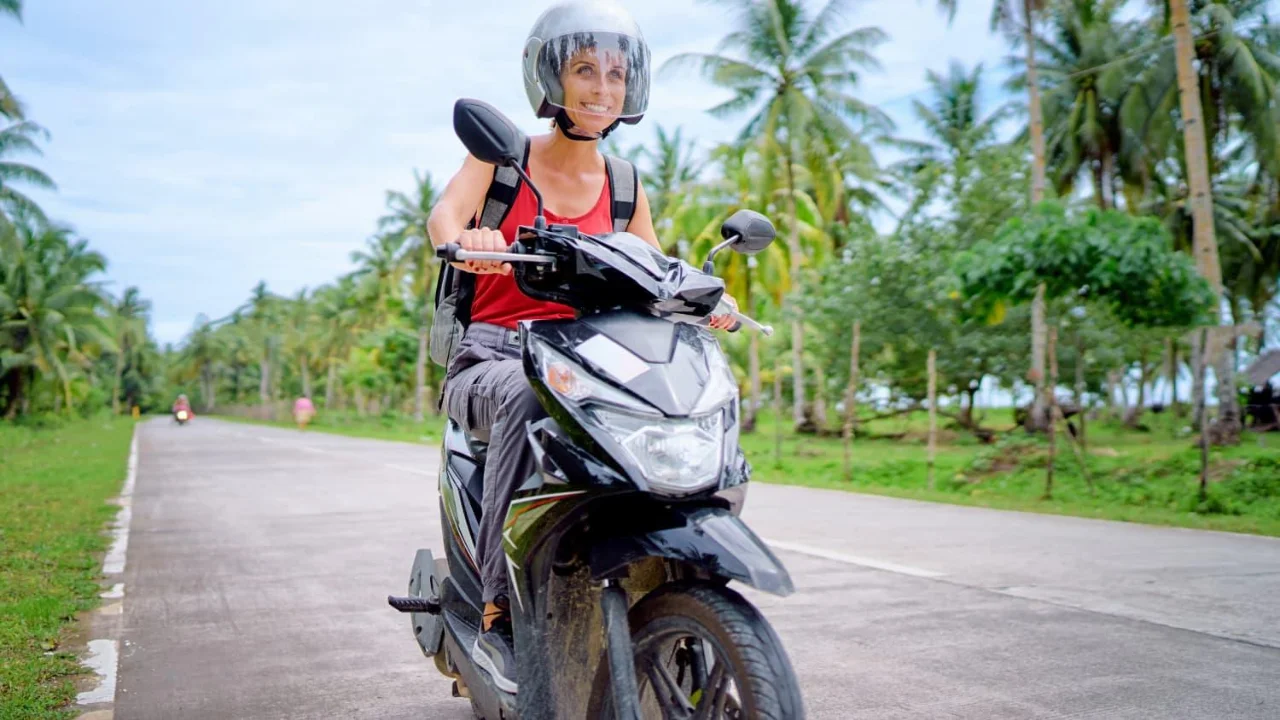
Roads need extra care. Motorbikes are everywhere, and the traffic can feel wild if you come from a country with quieter roads.
Renting a scooter looks like an easy way to see an island, but it’s risky. Before you ride, make sure you have the right licence or an international driving permit valid for the vehicle category, proper insurance that covers scooter use, and enough experience for the roads there.
Wear a helmet every time. Don’t ride after drinking, and don’t ride when you’re tired or on a road you don’t know.
If you haven’t ridden much, take a taxi, hire a private driver or use public transport. Saving a few baht isn’t a good reason to risk a crash.
Keep Your Belongings Secure
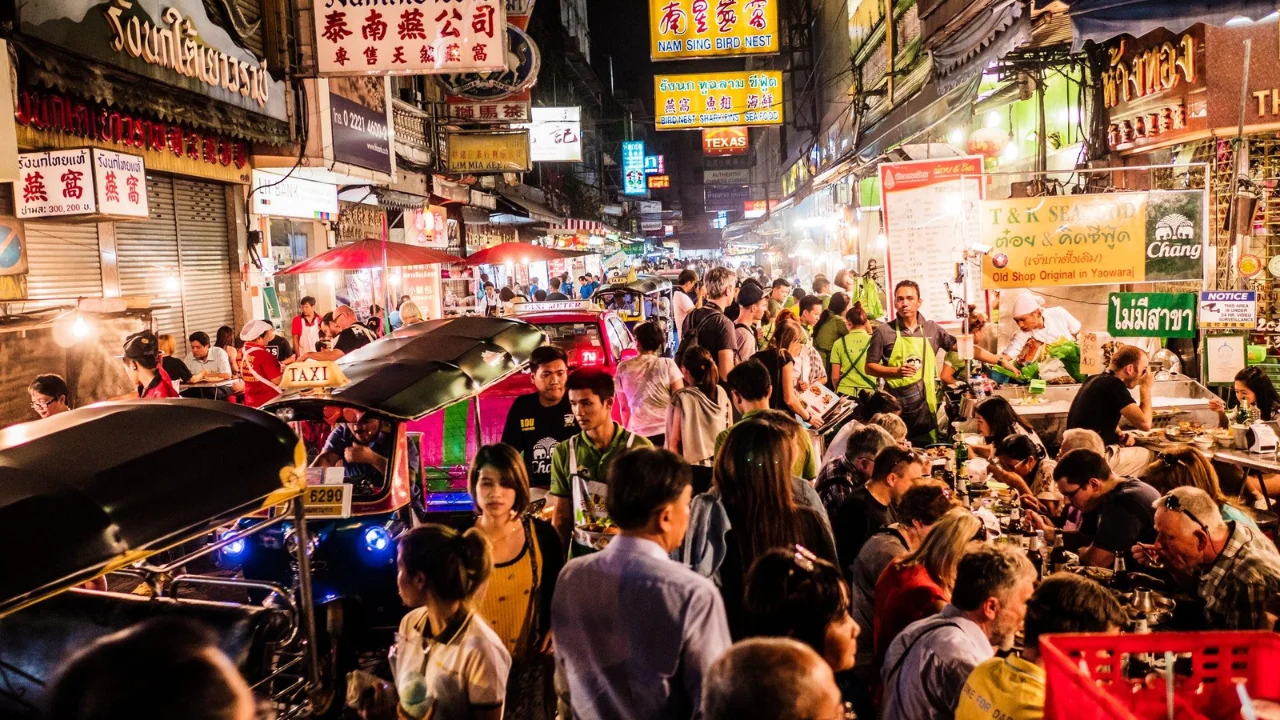
Crowded markets, shopping streets, stations and nightlife areas are where you need to watch your things.
Take only what you need for the day. Keep your phone and wallet in a safe pocket, and don’t leave bags alone in cafés, restaurants or on the beach.
Keep your passport in a secure place at your accommodation and carry a copy when you need ID. Before you walk out of your room, check that you have your phone, bank cards and room key.
At an ATM, pick one inside a bank or a big shopping centre if you can. Cover the keypad when you type your PIN.
Understand Local Rules and Customs
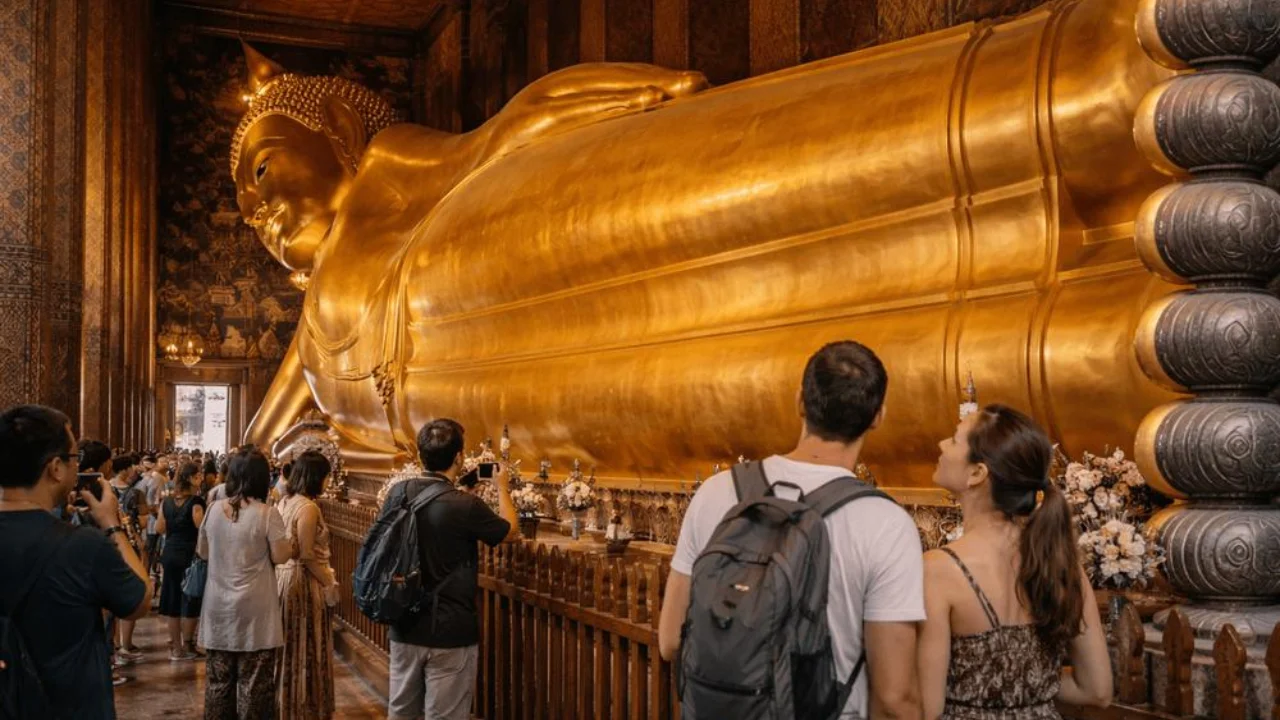
Knowing a few local customs helps you avoid awkward moments.
Cover your shoulders and knees when you visit temples. Some temples also ask you to take your shoes off before going into certain buildings.
Don’t touch anyone’s head, and don’t point your feet at Buddha images or monks. Be respectful with your camera, especially at religious sites.
Thailand has strict laws on drugs and other offences. Something legal in your own country may be illegal there, so read the rules before you bring medicines or other restricted items.
Check the Weather and Health Risks
The heat and humidity are hard on people who aren’t used to the tropics. Drink plenty of water, wear sunscreen and rest in the shade when you’re out for long stretches.
Mosquitoes can spread diseases such as dengue fever. Use repellent and wear long, light clothing in areas with lots of mosquitoes.
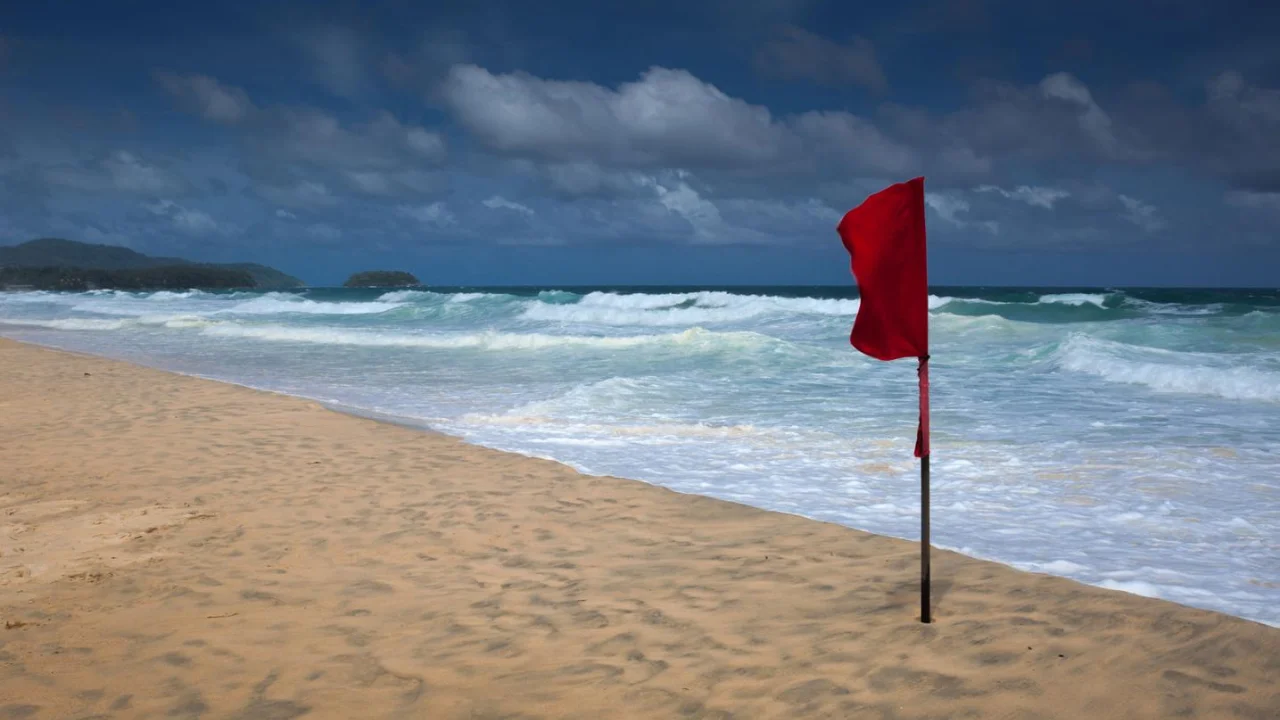
If you plan to swim or go on a boat trip, listen to local warnings and look at the forecast. Sea conditions can change quickly, and boat trips get cancelled in bad weather. Stay out of the water when warning flags are up or locals tell you not to go in.
Travel insurance is a smart thing to sort out. Make sure it covers medical care and the activities you plan to do. Some policies have special rules for motorbikes and adventure sports.
Important Emergency Numbers in Thailand
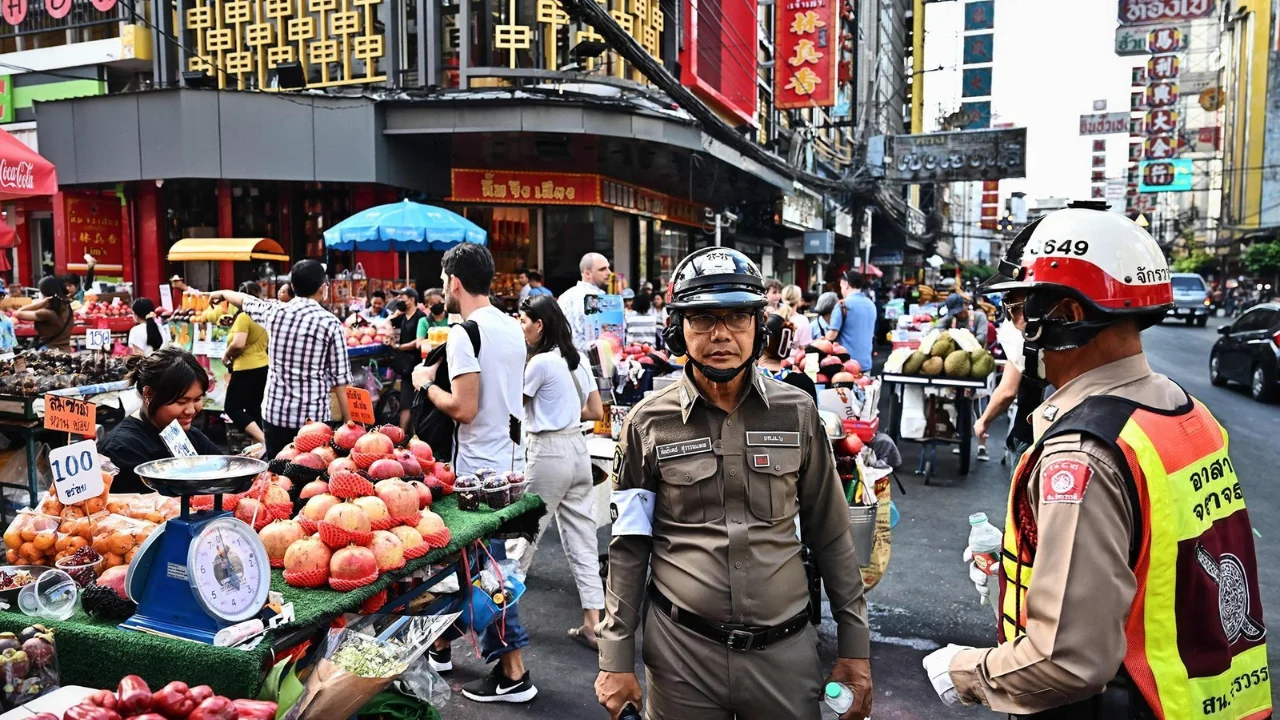
Save these numbers on your phone before your trip:
- 191 – Police
- 1155 – Tourist Police
- 1669 – Medical emergency
- 199 – Fire service
The Tourist Police line is especially useful if you need help with a travel problem. Keep your hotel address and emergency contacts somewhere easy to find.
What to Check Before Leaving
Before you fly, check that your passport is still valid, your travel insurance is in place and your flight details are right. Look up the entry rules for your nationality and the reason for your trip.
It also helps to save your hotel address offline, set up a way to get online and carry some small cash for little purchases.
Thailand is a great trip for first-timers. You don’t need to worry about every little thing, but stay alert, especially on the roads and in places you don’t know. Prepare sensibly, respect the local rules, and you’ll feel a lot more confident once you get there.