Sign up with Google
 Sign in with Zoho
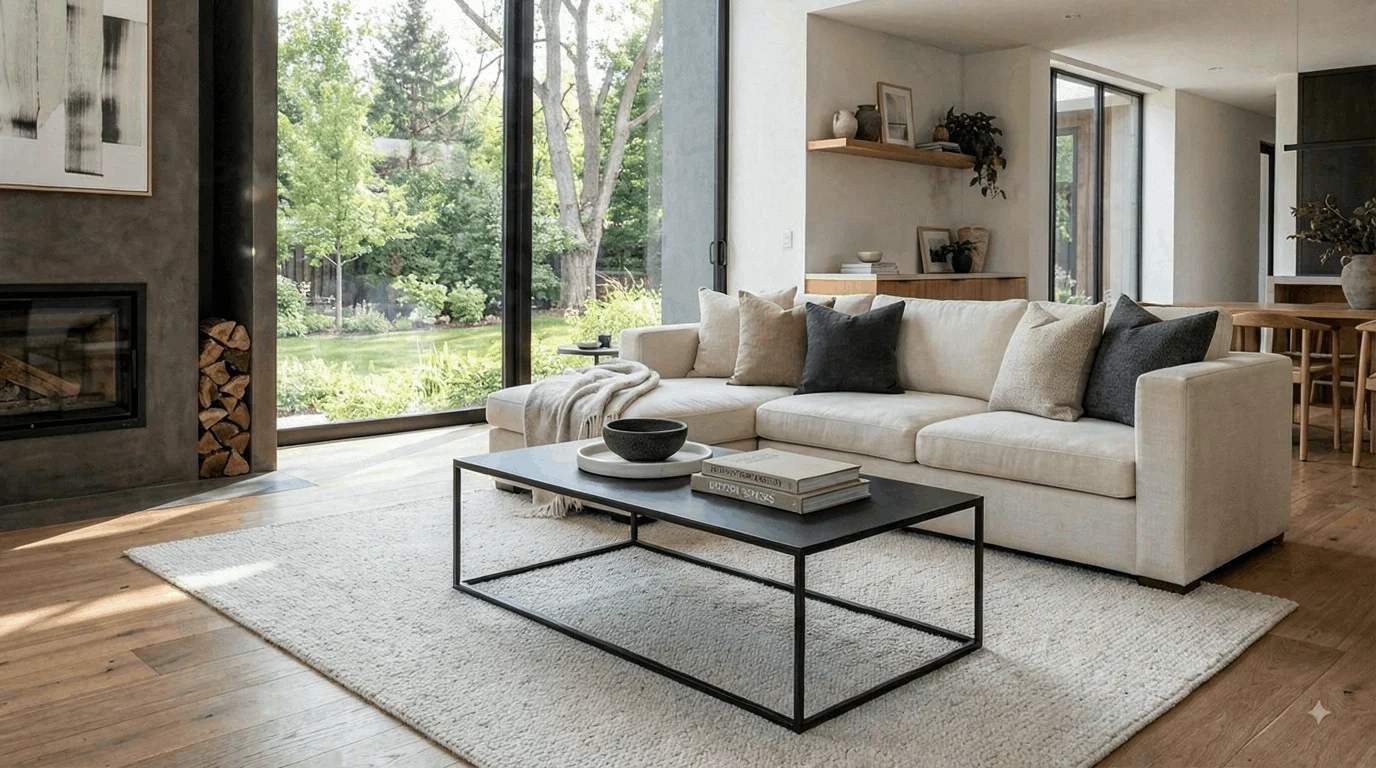
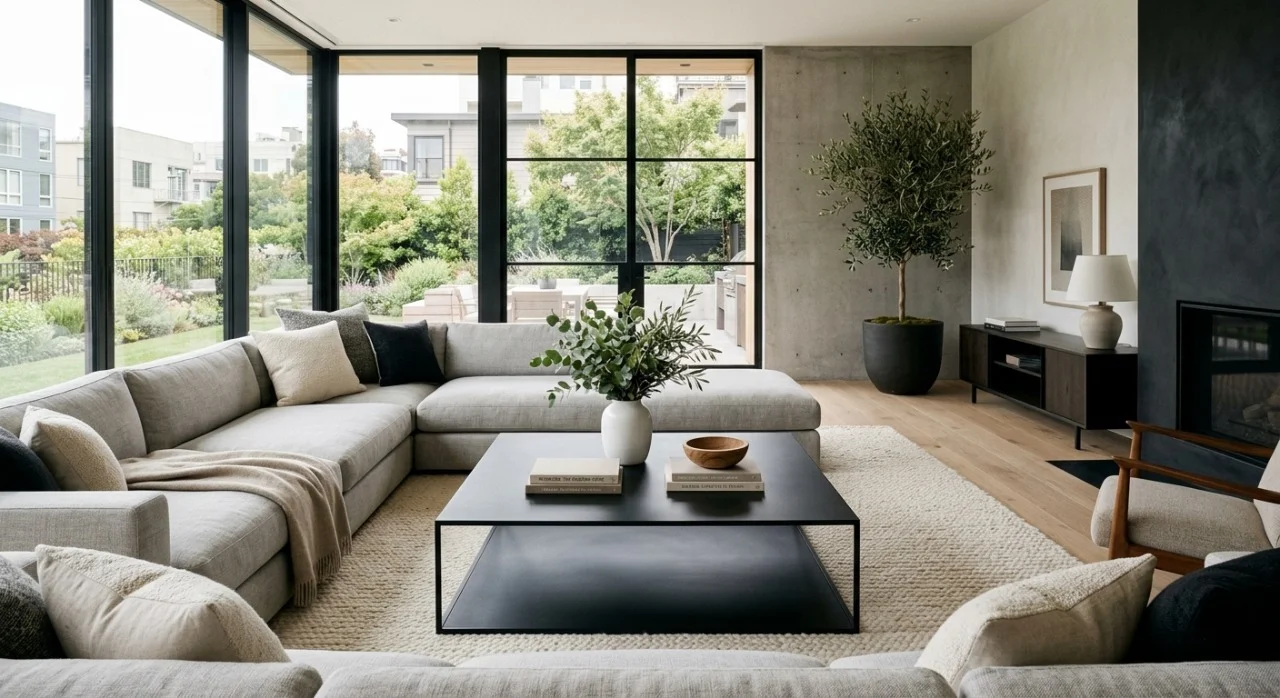
Living room layout design hinges on a central anchor. While upholstered sofas establish soft comfort, the coffee table defines spatial flow, structural weight, and visual contrast. Selecting a metal coffee table introduces clean geometry, industrial resilience, and refined architectural line work into contemporary and traditional interiors alike.
In modern interior architecture, the central surface is no longer viewed as a mere landing pad for television remotes or coffee cups. It functions as a structural pivot point that balances the soft, heavy masses of modern sectional sofas, plush area rugs, and sweeping drapery. Metal, as a primary medium, provides a level of structural strength and visual lightness that organic materials like solid wood or stone simply cannot replicate at thinner profiles. By leveraging the tensile strength of precision-engineered alloys, interior designers can introduce bold geometric silhouettes, paper-thin tabletops, and open-frame structures that maintain an uninterrupted flow of light across a room.
At Elax Furniture, design blends modern aesthetic intent with human-centered engineering. Custom metallic fabrication allows for slender silhouettes without sacrificing structural integrity, delivering low-maintenance, long-lasting statement pieces for high-traffic homes and commercial environments.
The Engineering Behind Premium Steel & Brass Furniture
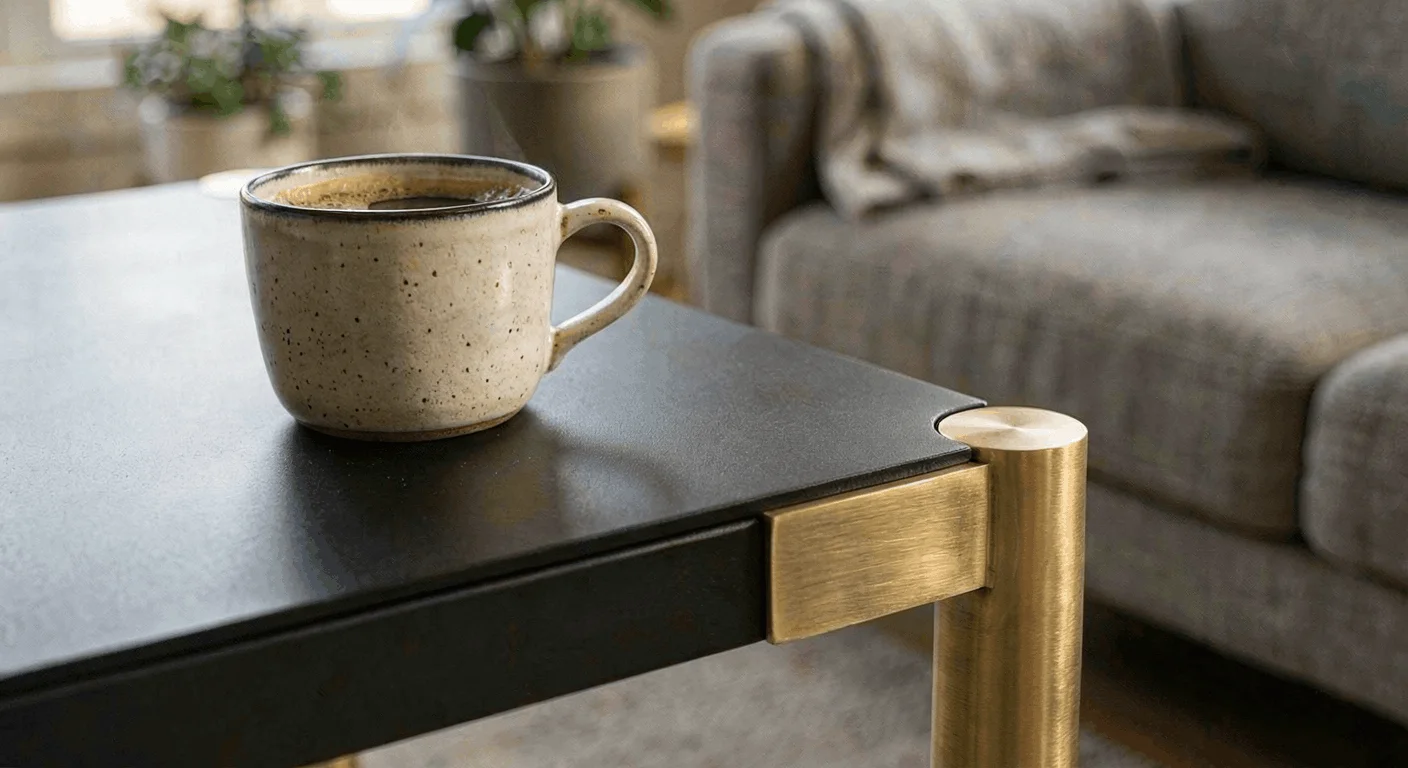
Not all metallic furniture is manufactured to the same standard. Understanding material specifications, gauge thicknesses, and protective surface treatments ensures your investment withstands daily residential or commercial use without warping, chipping, or oxidizing.
Material Selection & Fabrication Standards
- Cold-Rolled Steel: Preferred for precision framing and geometric designs. Unlike hot-rolled steel, which can exhibit surface scale and dimensional variances, cold-rolling increases yield and tensile strength while maintaining sharp, precise right angles and seamless joint welds that will not bow under heavy loads.
- Extruded Aluminum: Lightweight and inherently rust-resistant. Extruded aluminum allows for complex hollow-core profiles that reduce total piece weight by up to 50% compared to steel. This makes it the premier material choice for modular living rooms, transitional spaces, and indoor-outdoor living environments.
- Solid Brass and Copper Accents: Used for warm metallic highlights, aged patinas, and luxury contemporary finishes. Solid brass develops a rich, natural patina over time when left unlacquered, offering an evolving, organic character that gains beauty with age.
Surface Finishes & Durability Ratings
- Electrostatic Powder Coating: The gold standard for modern metallic furniture. Powder coating applies an electrostatic charge to dry polymer powder, which is then cured under intense heat to form a continuous, non-porous skin. This process creates a surface exceptionally resistant to impact, scratches, household chemicals, and humidity—far outperforming traditional liquid spray paints.
- PVD (Physical Vapor Deposition) Coating: Applied to high-end stainless steel components within a vacuum chamber. PVD deposits micro-thin layers of titanium nitrides to produce rich gold, champagne, bronze, or obsidian hues. The resulting surface is up to four times harder than chrome plating, providing extreme scratch resistance.
- Brushed & Anodized Textures: Mechanical brushing creates fine directional grain patterns that soften direct light reflectivity. When paired with an anodized oxide layer, this finish effectively resists fingerprint oils, water spots, and minor surface scuffs common in active family households.
Structural & Spatial Comparison
Evaluating frame construction methods helps match your room size, aesthetic preferences, daily maintenance capacity, and load requirements.
Integrating Structural Surfaces into Modern Living Spaces
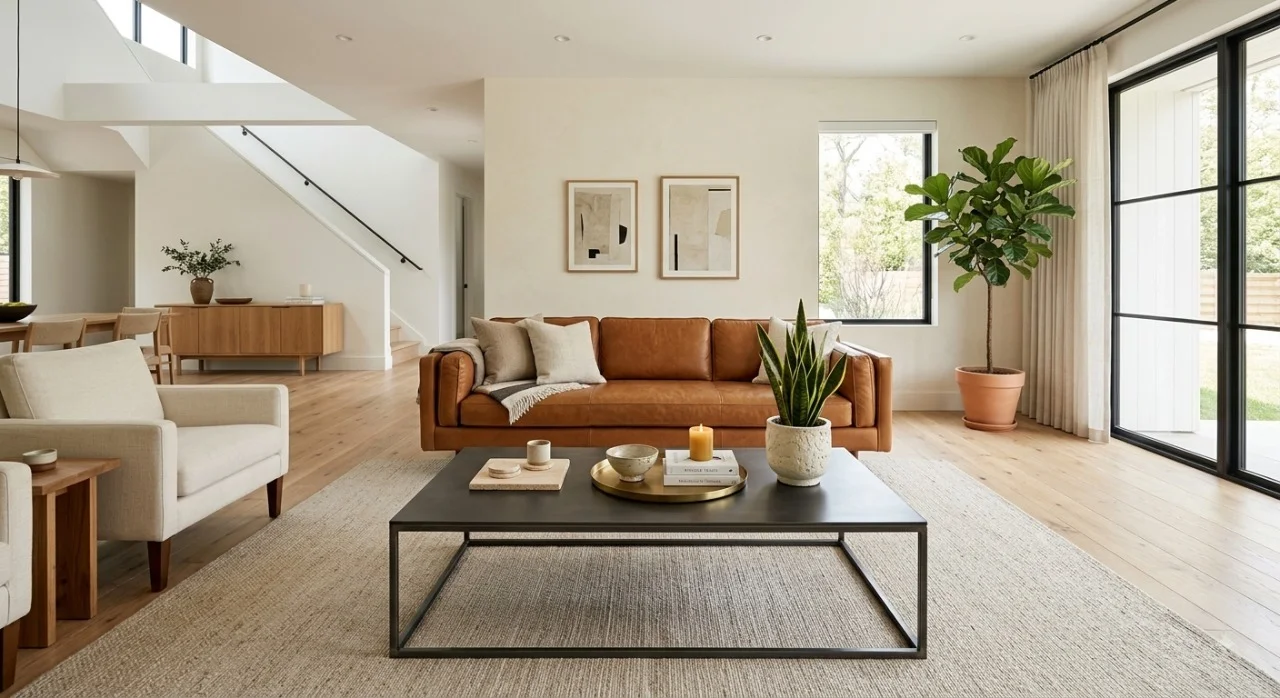
Achieving a harmonious living room layout requires strict adherence to spatial proportion, traffic circulation metrics, and material balance. A central metallic accent must bridge the gap between seating elements without overwhelming floor space or obstructing natural movement.
1. Spatial Clearance & Ergonomics
To ensure comfortable movement around your primary seating group, maintain 14 to 18 inches of clear floor space between the front edge of your sofa cushions and the outer perimeter of your table. This precise distance leaves ample legroom for sitting down and standing up while keeping beverages, books, and media controls effortlessly within arm's reach.
For major circulation paths—such as the pathway between your seating area and a media console, fireplace, or entry doorway—maintain a dedicated walkway of 30 to 36 inches.
2. Height Calibration & Proportions
A center table should match or sit 1 to 2 inches lower than the top of your primary sofa's seat cushions. The global furniture industry standard for seat height ranges from 16 to 18 inches, making a 15-to-17-inch piece ideal for most modern setups. Low-profile designs (11 to 14 inches) complement ultra-modern, low-slung Italian minimalist sofas, whereas taller tables (18 to 20 inches) suit formal, deep-cushioned traditional seating where guests lean forward less frequently.
Furthermore, scale the overall length of the table to measure approximately two-thirds of your sofa's total cushion width. An undersized centerpiece looks lost in front of a wide sectional, while an oversized piece restricts legroom and disrupts visual balance.
3. Balancing Soft and Hard Textures
Because raw alloys inherently convey structural firmness, coolness, and precision, pairing them with warm, soft-touch materials prevents your living space from feeling overly clinical or industrial.
Pairing a matte black powder-coated frame or brushed brass surface with plush boucle upholstery, natural wool loop rugs, or rich top-grain leather sofas creates an inviting architectural contrast. The warmth of tactile textiles softens the sharp, defined lines of metal joinery, yielding a warm contemporary aesthetic.
To explore versatile options engineered specifically to align with these spatial standards, explore Elax's complete collection of metal coffee tables designed for contemporary interiors.
Architectural Styles & Frame Geometry
The outline of a frame establishes the visual rhythm of an entire seating cluster. Choosing the right geometry depends on your room's flow, floor plan dimensions, and surrounding furniture silhouettes.
Minimalist Geometric Frames
Clean square, rectangular, and slim cylindrical silhouettes rely on thin-profile hollow steel tubing or solid rod construction. These open-frame designs elevate the surface off the floor, allowing light and rug patterns to show through uninterrupted. This negative space trick makes smaller apartments and compact urban living rooms feel noticeably larger and brighter.
Sculptural & Cast Bases
Formed using sand-casting or lost-wax casting techniques, sculptural accent tables double as functional art objects. Heavy cast iron, bronze, or aluminum pedestal bases bring organic fluid curves, hand-hammered textures, and grounded visual weight into minimalist rooms. Their low center of gravity provides exceptional stability without requiring sprawling four-legged bases.
Mixed-Material Hybrids
Combining precision steel framework with natural wood shelves, white Carrara marble tops, or tempered smoked glass creates dynamic textural depth. The alloy provides necessary perimeter structural support, enabling heavy stone tops to float effortlessly.
You can pair your main centerpiece with handcrafted modern seating directly from the complete Elax Furniture home interior design catalog to build a fully integrated, highly cohesive living room concept.
Technical Maintenance & Longevity Protocols
While steel and aluminum are among the most durable materials used in modern furniture manufacturing, maintaining factory finishes requires proper care techniques.
- Daily Dusting & Cleaning: Use a dry or soft microfiber cloth to remove dust and skin oils. For stuck-on residue, dampen the cloth with warm water and a single drop of pH-neutral liquid dish soap. Always wipe the surface dry immediately afterward with a second cloth to eliminate water spotting.
- Spill Management: Powder-coated and anodized surfaces resist liquids, but acidic spills (such as red wine, coffee, tomato juice, or citrus drinks) should be wiped up within minutes. Prolonged exposure to acids can dull clear-coat finishes and degrade protective sealants over time.
- Preventing Scratches: Always attach soft felt protective pads to the underside of ceramic vases, stone coasters, metallic trays, or unglazed terracotta pottery placed on top. Never drag items across a finished surface; lift objects directly upward to preserve the factory coating.
- Environmental Control: Maintain stable indoor relative humidity (between 30% and 50%). While coated alloys resist rust, placing iron or steel furniture directly over damp floor vents or exposed to continuous outdoor salt air without specialized marine-grade coatings can accelerate oxidization over several years.
Frequently Asked Questions About Structural Living Room Furniture
Do powder-coated steel tables scratch easily?
No, high-quality powder-coated steel tables feature a heat-bonded polymer surface that is exceptionally scratch-resistant under normal residential use. Unlike standard spray paint, this commercial-grade finish resists chips and scuffs from daily items like keys and glassware.
How do I prevent steel furniture from rusting indoors?
Select furniture with electrostatic powder coatings or rust-inhibiting primers, and place it away from standing moisture or damp vents. Wipe up liquid spills immediately and avoid aggressive bleach, acid, or chlorine cleaners that break down protective topcoats.
Are solid metal living room tables too heavy to move?
It depends on the construction, as hollow steel tube frames and extruded aluminum tables are lightweight and easily repositioned. Conversely, solid cast iron, heavy steel slab, or concrete-filled bases are deliberately weighted to provide maximum stability in high-traffic homes.
How do I style a black metal coffee table without making the room look dark?
Contrast the dark metal framework by topping it with light-toned organic accents like white ceramic trays, blond wood bowls, and green plants. Anchor the table over a light cream or grey rug alongside soft upholstered seating to maintain visual warmth and openness.