Sign up with Google
 Sign in with Zoho

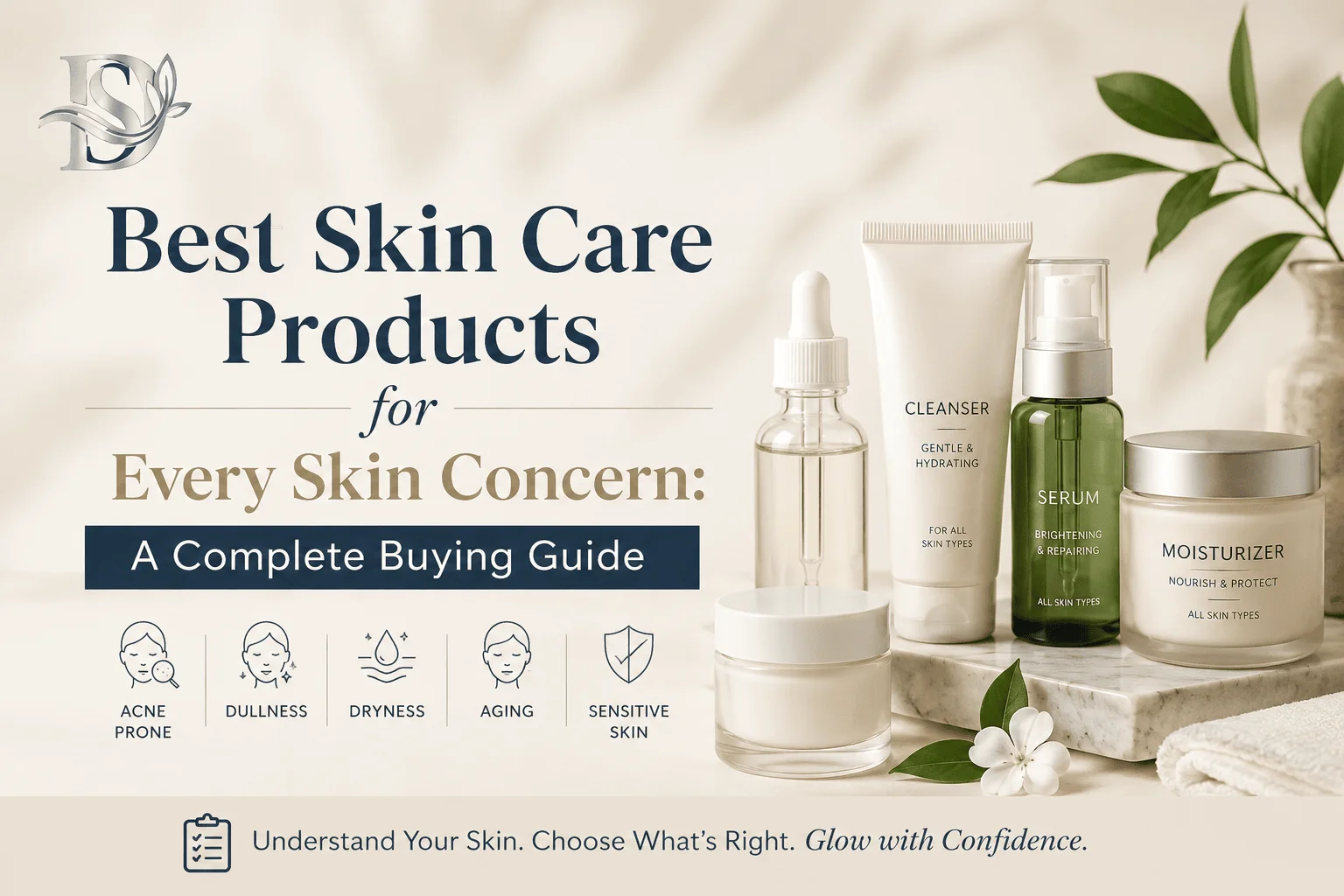
Choosing the right skin care products can feel overwhelming when store shelves and online catalogs are packed with serums, gels, and creams that all promise glowing, healthy skin. The truth is, there's no single product that works for everyone — your skin's needs depend on your concern, whether that's acne, dullness, dehydration, pigmentation, or sun damage. This guide breaks down how to choose the right skin care products for your specific skin type and concern, so you can build a routine that actually delivers results.
Why a Targeted Skin Care Routine Matters
Most people make the mistake of buying skin care products based on trends rather than their actual skin concerns. A serum that works wonders for oily, acne-prone skin might do very little for someone dealing with dryness or hyperpigmentation. That's why dermatologist-formulated skin care products are typically grouped by concern rather than sold as one-size-fits-all solutions. Understanding your skin type and primary concern is the first step toward building a routine that works.
Before you buy anything, ask yourself:
- Is my skin oily, dry, combination, or sensitive?
- What's my biggest concern — breakouts, dark spots, fine lines, or dullness?
- Do I need daily sun protection, and am I using it consistently?
- Is my skin dehydrated, or does it just feel oily on the surface?
Once you have clarity on these questions, picking the right skin care products becomes far easier.
Building a Routine Around Your Skin Concern
1. Acne-Prone and Oily Skin
If breakouts, clogged pores, and excess oil are your main concerns, look for skin care products formulated with ingredients like salicylic acid, azelaic acid, and niacinamide. These ingredients work together to unclog pores, calm inflammation, and reduce future breakouts without stripping the skin. A gentle cleanser paired with a targeted serum is usually enough to see visible improvement within a few weeks, as long as you stay consistent and avoid over-exfoliating.
2. Uneven Tone, Dark Spots, and Pigmentation
Hyperpigmentation, melasma, and dark spots are some of the most common concerns, especially for people dealing with post-acne marks or sun-induced pigmentation. Skin care products containing ingredients like glycolic acid, kojic acid, alpha arbutin, and vitamin C are widely recommended for brightening uneven skin tone. These ingredients work by gently exfoliating dead skin cells and inhibiting excess melanin production, which gradually fades discoloration and reveals a more even complexion.
3. Sun Protection — The Non-Negotiable Step
No skin care routine is complete without daily sun protection. UV exposure is one of the leading causes of premature aging, dark spots, and uneven skin tone. A broad-spectrum sunscreen with SPF 50 PA+++ protection offers reliable defense against both UVA and UVB rays. Lightweight, non-greasy, water-resistant formulas are ideal for daily wear, even under makeup, and are suitable for all skin types — including oily and sensitive skin that might otherwise react to heavier sunscreens.
4. Hydration and Moisture Balance
Dehydrated skin can look dull, feel tight, and even trigger excess oil production as the skin tries to compensate for lost moisture. Skin care products built around hyaluronic acid and other humectants help draw moisture into the skin and lock it in, improving texture and plumpness over time. If your skin feels rough or tight after cleansing, it's usually a sign your routine needs a stronger hydration step.
5. Anti-Aging and Skin Renewal
For those focused on fine lines, loss of elasticity, or overall skin renewal, look for skin care products with retinol, glutathione, or peptide complexes. These ingredients support cell turnover and collagen support, helping skin look firmer and more even over time. Because these active ingredients can be potent, it's best to introduce them gradually and always pair them with sun protection during the day.
How to Layer Your Skin Care Products Correctly
Even the best skin care products won't deliver results if they're applied in the wrong order. A general rule of thumb for both morning and evening routines is to go from thinnest to thickest consistency:
- Cleanser – Removes dirt, oil, and impurities without stripping the skin.
- Treatment serum – Targets your specific concern, whether that's acne, pigmentation, or hydration.
- Moisturizer – Seals in hydration and supports the skin barrier.
- Sunscreen (AM only) – Always the final step in your morning routine.
Consistency matters more than complexity. A simple four-step routine used daily will outperform an elaborate ten-step routine used sporadically.
Common Mistakes to Avoid
- Skipping sunscreen because it's cloudy or you're indoors most of the day.
- Mixing too many active ingredients (like retinol and strong acids) in the same routine without easing in slowly.
- Switching products too frequently before giving them enough time — most skin care products need 4–8 weeks of consistent use to show visible results.
- Ignoring patch tests, especially when trying a new active ingredient for the first time.
Choosing Skin Care Products for Sensitive Skin
If your skin reacts easily to new products, prioritize formulas that are fragrance-free, non-comedogenic, and dermatologically tested. Gentle, gel-based textures tend to be better tolerated than heavier creams, especially in humid climates. When in doubt, introduce one new product at a time so you can identify what's working — and what isn't — without confusion.
Final Thoughts
The best skin care products are the ones matched to your specific skin type and concern — not necessarily the most expensive or trending option. Whether you're targeting acne, pigmentation, hydration, or sun protection, focus on a routine with a few well-chosen, dermatologist-inspired products used consistently over time. Start with your biggest concern, layer your products correctly, and give your skin the weeks it needs to respond.
Ready to build your routine? Explore the full range of skin care products organized by concern — from acne and brightening to hydration and sun protection — and find the formulas designed specifically for your skin's needs.