Sign up with Google
 Sign in with Zoho

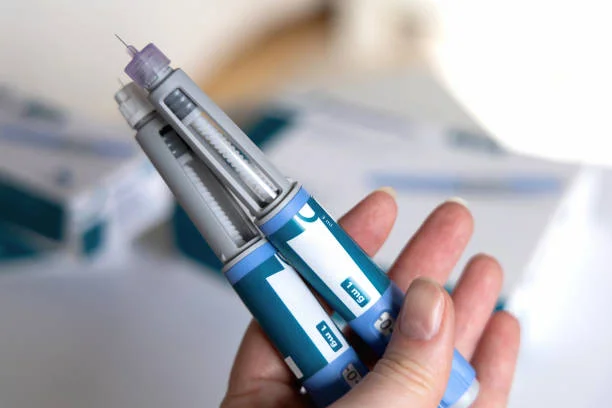
Managing diabetes has become increasingly technology-driven, with connected medical devices helping patients maintain better control over their daily treatment routines. Smart insulin pens represent one of the most practical innovations in diabetes management by combining traditional insulin delivery with digital tracking features. These devices are designed to simplify dosing, reduce the likelihood of missed injections, and improve communication between patients and healthcare providers.
The growing focus on personalized diabetes care has encouraged healthcare organizations to explore advanced insulin delivery solutions that support long-term disease management. An analysis published by MarkNtel Advisors highlights the evolving landscape of connected insulin delivery technologies across Europe, where digital healthcare adoption and patient-centered treatment strategies continue to gain momentum.
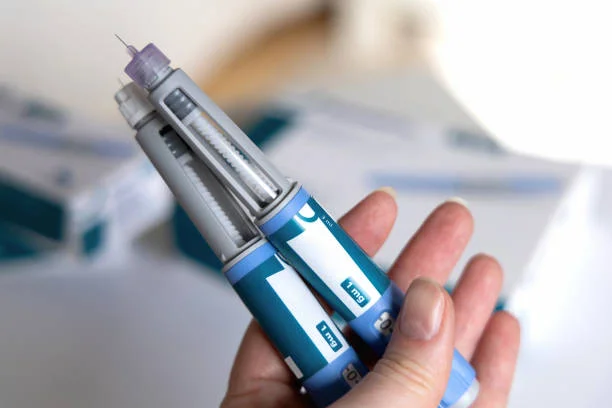
Unlike conventional insulin pens, smart insulin pens are equipped with features such as dose memory, Bluetooth connectivity, reminder notifications, and integration with mobile health applications. These capabilities help users monitor insulin administration more accurately while providing healthcare professionals with valuable treatment insights that can improve therapy adjustments and patient outcomes.
Growing Importance of Digital Diabetes Management
Diabetes remains one of the most common chronic conditions worldwide, creating an ongoing need for effective disease management tools. Digital health technologies are increasingly being integrated into diabetes care because they help patients maintain consistent treatment routines, improve medication adherence, and support informed clinical decisions. Healthcare experts continue to recognize connected diabetes devices as an important component of modern chronic disease management. According to the World Health Organization (WHO), diabetes management requires continuous monitoring and patient education to reduce complications.
Key Features That Differentiate Smart Insulin Pens
Smart insulin pens combine hardware and software capabilities to make insulin therapy more convenient. These devices typically include automatic dose recording, reminders for missed injections, insulin-on-board calculations, temperature monitoring, and synchronization with smartphone applications. Such features reduce manual record-keeping while allowing patients to better understand their insulin usage patterns over time.
Many modern systems also integrate with continuous glucose monitoring platforms and digital health ecosystems. This connectivity creates a more comprehensive picture of glucose trends and insulin administration, enabling healthcare professionals to provide personalized recommendations based on accurate treatment history rather than relying solely on patient recall.
Factors Supporting Adoption Across Europe
Several factors are contributing to the wider adoption of smart insulin pens across European healthcare systems. Growing awareness of diabetes management technologies, increased investment in digital healthcare infrastructure, expanding telemedicine services, and supportive reimbursement initiatives have encouraged greater acceptance of connected insulin delivery devices. In addition, rising interest in remote patient monitoring has further strengthened demand for solutions that improve communication between patients and healthcare providers. The International Diabetes Federation (IDF) also emphasizes the importance of innovative technologies in supporting effective diabetes management worldwide.
Benefits for Patients and Healthcare Providers
Smart insulin pens offer advantages beyond convenient insulin administration. Patients benefit from improved treatment adherence, fewer missed doses, simplified record keeping, and greater confidence in managing their condition independently. Reminder functions and digital dose history help reduce uncertainty while supporting more consistent insulin therapy.
Healthcare professionals also gain access to more reliable treatment information through connected applications. Detailed dosing records enable physicians to identify trends, evaluate treatment effectiveness, and make evidence-based adjustments during follow-up consultations. This collaborative approach supports better communication between clinicians and patients while encouraging more personalized diabetes care.
Challenges That Continue to Shape the Landscape
Despite their growing popularity, smart insulin pens face several implementation challenges. Device affordability, varying reimbursement policies, digital literacy among patients, and concerns related to data privacy remain important considerations for healthcare providers and policymakers. Addressing these barriers will play a significant role in ensuring broader access to connected diabetes management technologies.
Another important aspect involves interoperability between different digital health platforms. As healthcare systems increasingly adopt connected medical devices, seamless integration among insulin pens, glucose monitoring systems, electronic health records, and mobile applications will become essential for maximizing clinical value and improving patient experiences.
The Future of Smart Insulin Pen Technology
Innovation in diabetes care continues to focus on improving treatment precision, enhancing patient engagement, and supporting preventive healthcare strategies. Future smart insulin pens are expected to incorporate more advanced analytics, artificial intelligence-driven recommendations, expanded connectivity with wearable devices, and enhanced data-sharing capabilities that strengthen personalized care pathways.
As healthcare providers continue embracing digital transformation, connected insulin delivery solutions are likely to become an increasingly important part of comprehensive diabetes management. Their ability to combine convenience, data-driven decision-making, and patient-centered care positions smart insulin pens as a valuable advancement in the ongoing evolution of diabetes treatment across Europe.