Sign up with Google
 Sign in with Zoho

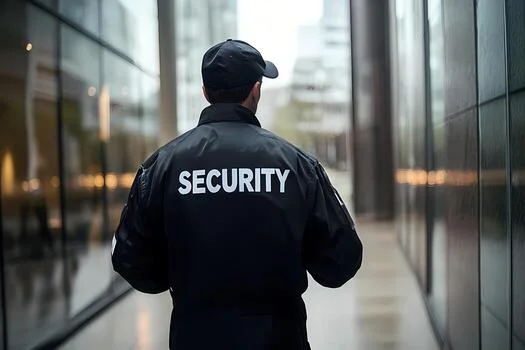
Night shifts are a normal part of security work. Warehouses, construction sites, car parks and empty office buildings all need protection after everyone else has gone home. In many cases, that protection comes from a single guard working alone for eight or twelve hours. Lone working is not illegal, and for many sites it is the most practical option. But it does bring extra risk. If a guard is injured, feels unwell or faces a threat, there may be nobody nearby to help. That is why every security company needs a clear plan for keeping lone workers safe.
Why Lone Working Needs Special Attention
In the UK, employers have a legal duty to protect the health and safety of their staff, and that includes people who work on their own. The Health and Safety Executive (HSE) expects employers to assess the risks of lone working and put sensible controls in place.
For security guards, the risks are easy to picture:
- A slip or fall during a patrol in a dark area
- A sudden medical problem with nobody around
- A confrontation with an intruder or trespasser
- Fatigue during long overnight shifts
- Poor phone signal in basements or remote sites
None of these can be removed completely, but all of them can be managed.
Step 1: Start With a Proper Risk Assessment
Every site is different. A guard in a busy city centre reception has very different risks from a guard patrolling a remote construction site in winter.
A good risk assessment looks at each site and asks simple questions:
- Is it safe for one person to work here, or does this site need two guards?
- Are there areas with no lighting or no mobile signal?
- How quickly could help arrive if something went wrong?
- Has there been any history of incidents at this location?
Review the assessment whenever something changes, such as a new client requirement, a change of site layout or a reported incident.
Step 2: Set Up Regular Check Calls
Check calls are the backbone of lone worker safety. The guard confirms at set times that everything is fine. If a check call is missed, the control room follows a clear escalation process, starting with calling the guard and, if there is no answer, contacting a supervisor or emergency services. The key is consistency. A check call system only works if missed calls are noticed straight away, not discovered the next morning.
Step 3: Give Guards the Right Tools
A charged mobile phone is the minimum. Many companies also use lone worker devices or apps with features such as a panic alert button, location sharing and automatic alerts if a guard stops moving for a set period. Torches, high visibility clothing and suitable footwear also matter, especially for outdoor patrols. ## Step 4: Train for the Situations That Matter Guards should know exactly what to do if something goes wrong. Training should cover how to raise an alarm, when to avoid confrontation, basic first aid, and how to report incidents clearly. A guard who knows the plan will act faster and more calmly under pressure.
Step 5: Watch Out for Fatigue
Long night shifts, back to back rotas and too few rest days lead to tired guards, and tired guards make mistakes. Plan rotas so that guards get proper breaks between shifts and are not constantly moved between day and night work.
Step 6: Keep Good Records
After every shift, there should be a clear record of who worked, where, when they checked in, and whether anything happened. These records help managers spot patterns, such as a site where incidents keep happening, and they protect the company if a client or insurer asks questions later.
Bringing It All Together
Lone worker safety works best when scheduling, check-ins and reporting are connected. When rota planning, attendance and incident records sit in separate spreadsheets and phone logs, important warning signs get missed. Workforce platforms built for the security industry, such as [BookOn Solutions](https://bookonsolutions.com), help companies keep shift and staff information in one place, so managers have a clearer view of who is on duty and where.
Final Thoughts
Guards who work alone at night take on real responsibility for the safety of other people's property. The least a security company can do is make sure those guards are protected too. A solid risk assessment, reliable check calls, the right equipment, good training and sensible rotas will make every lone shift safer, and a company that looks after its guards will find it easier to keep good staff and win client trust.