Sign up with Google
 Sign in with Zoho


In the world of digital media, design, photography, and video production, few tools are as quietly essential as the aspect ratio calculator. Whether you are a web designer resizing images for a landing page, a filmmaker setting up a shot, or a developer building a responsive interface, understanding aspect ratios — and having a reliable way to calculate them — can save time, prevent costly mistakes, and ensure your visuals always look their best.
What Is an Aspect Ratio?
An aspect ratio is the proportional relationship between the width and height of an image, screen, or any rectangular space. It is expressed as two numbers separated by a colon, such as 16:9, 4:3, or 1:1. The first number represents the width, and the second represents the height.
For example, a screen with an aspect ratio of 16:9 means that for every 16 units of width, there are 9 units of height. This ratio stays consistent regardless of whether the screen is 1280×720 pixels or 3840×2160 pixels — the proportional relationship remains exactly the same.
Aspect Ratio Calculator govern how content looks on screens, in print, and across platforms. When an image is displayed at the wrong aspect ratio, it can appear stretched, squished, or cropped in unintended ways — all of which damage visual quality and professionalism.
govern how content looks on screens, in print, and across platforms. When an image is displayed at the wrong aspect ratio, it can appear stretched, squished, or cropped in unintended ways — all of which damage visual quality and professionalism.
What Is an Aspect Ratio Calculator?
An aspect ratio calculator is a tool — typically a simple online utility or formula — that helps you determine, maintain, or convert aspect ratios for images, videos, and designs. It allows you to:
• Calculate the missing dimension of an image while preserving its aspect ratio
• Find the simplified ratio of any two dimensions
• Convert between different aspect ratios without distortion
• Scale images up or down proportionally
For instance, if you have an image that is 1920×1080 pixels and you need to resize it to a width of 1280 pixels while keeping the same aspect ratio, an aspect ratio calculator will instantly tell you the correct height: 720 pixels.
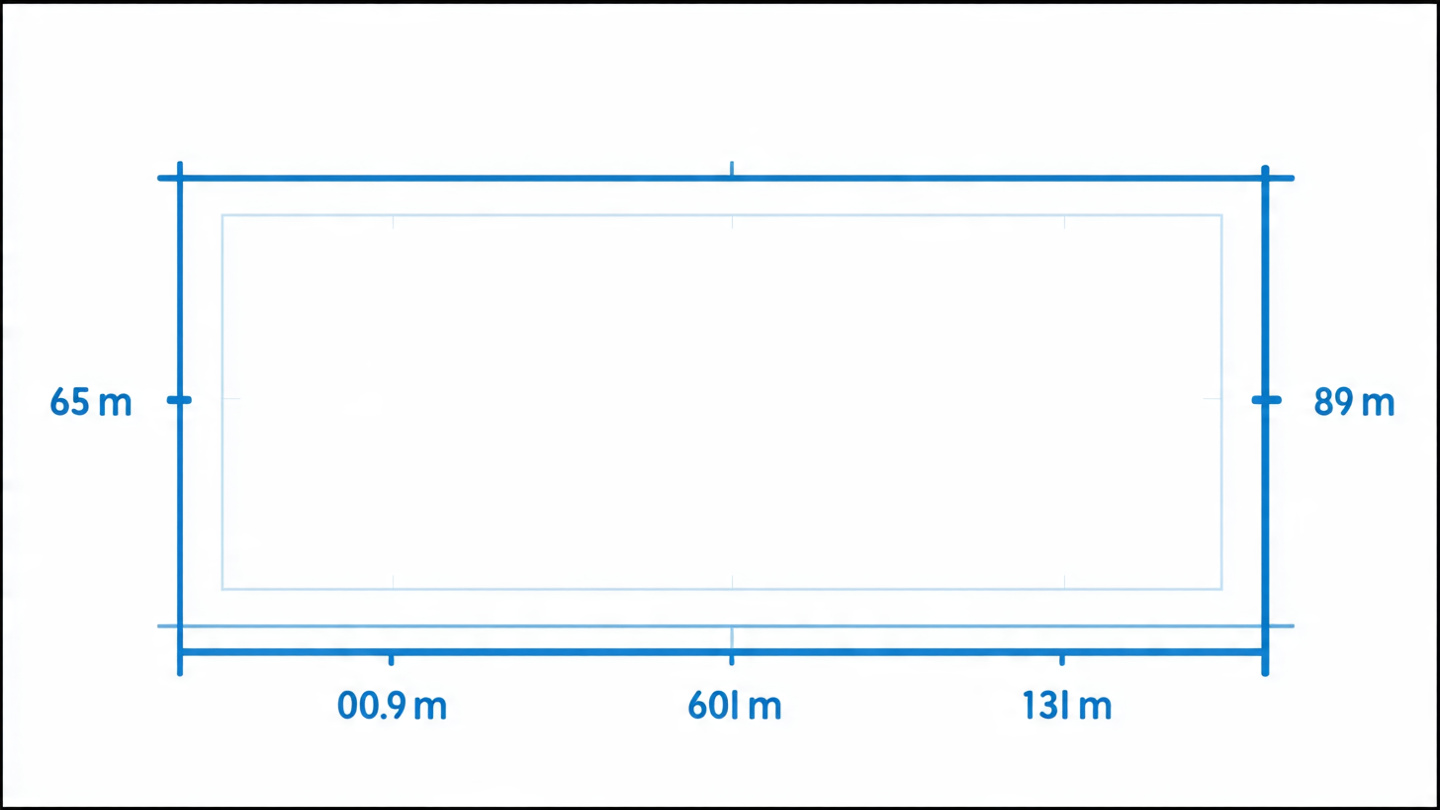
Common Aspect Ratios and Where They Are Used
Understanding the most widely used aspect ratios helps you choose the right format for any project.
is the standard widescreen format used for HD and 4K televisions, YouTube videos, computer monitors, and most modern smartphone screens in landscape mode. It is the dominant ratio in digital video today.
was the standard for older television sets and early computer monitors. It is still used in some educational videos and presentations. Many photographers also use this ratio for print formats.
is the square format popularized by Instagram in its early years. It remains popular for social media posts, profile pictures, and product photography where a symmetrical composition is desired.
is the vertical video format used for Instagram Stories, TikTok videos, YouTube Shorts, and Snapchat content. As mobile-first content continues to grow, this portrait orientation is increasingly important.
is the ultra-wide cinematic format used in movie theaters and high-end computer monitors. It creates an immersive viewing experience but requires careful content planning to avoid black bars or cropping.
is commonly used in digital SLR photography and follows the proportions of 35mm film. Many photographers consider it the most natural-looking ratio for still images.
How to Use an Aspect Ratio Calculator
Using an aspect ratio calculator is straightforward. Most tools require you to input two of the following three values: the original width, the original height, and either the new width or new height. The calculator then computes the missing value.
Here is the basic formula behind the calculation:
New Height = (New Width ÷ Original Width) × Original Height
Or conversely:
New Width = (New Height ÷ Original Height) × Original Width
For example, if your original image is 800×600 pixels and you want to resize it to 400 pixels wide:
New Height = (400 ÷ 800) × 600 = 300 pixels
The resized image would be 400×300 pixels — maintaining the original 4:3 aspect ratio.
To find the simplified ratio of any two numbers, you divide both by their greatest common divisor (GCD). For example, 1920 and 1080 share a GCD of 120, giving you 16:9.
Why Aspect Ratio Matters in Design and Development
Getting Aspect Ratio Calculator right is not just about aesthetics — it has practical, functional, and even business implications.
For web design, maintaining correct aspect ratios ensures that images render crisply across devices with different screen sizes. Responsive design frameworks often rely on aspect ratio rules to prevent layout shifts and ensure visual consistency.
For video production, uploading a video with an incorrect aspect ratio to YouTube or Vimeo results in black bars (letterboxing or pillarboxing), which looks unprofessional and can reduce viewer engagement.
For social media, each platform has its own recommended image dimensions. Facebook, Instagram, LinkedIn, and Twitter all have specific aspect ratio guidelines for feed posts, stories, banners, and thumbnails. Using the wrong ratio means your image may be automatically cropped in unflattering ways.
For print design, aspect ratios determine how an image fills a canvas. A photo that looks perfectly composed on screen may lose important elements when cropped to fit a specific print size.
Aspect Ratio Calculators: Online Tools vs. Manual Calculation
While manual calculation using the formulas above is entirely feasible, online aspect ratio calculators offer several advantages. They are fast, eliminate arithmetic errors, and often provide additional features such as batch calculations, visual previews, and preset ratios for common platforms.
Popular tools like those found on sites dedicated to design and development allow users to input dimensions and immediately see the scaled result. Some advanced calculators also allow you to lock the aspect ratio while freely adjusting one dimension, automatically computing the other.
For developers, many programming languages and frameworks include built-in functions or libraries for handling aspect ratio calculations programmatically, making it easy to automate resizing workflows.
Tips for Working with Aspect Ratios
Always work from the highest-resolution version of an image when resizing, as scaling down preserves quality better than scaling up. When designing for multiple platforms, start with the largest required dimensions and scale down to meet each platform’s needs. Use CSS properties like aspect-ratio in modern web development to maintain proportional layouts without JavaScript. When shooting video or photography, set your camera to the intended output aspect ratio to avoid unexpected cropping in post-production.
Conclusion
The Aspect Ratio Calculator is a small but mighty tool in the toolkit of any designer, developer, photographer, or content creator. By ensuring that images and videos maintain their correct proportions across every context — from website banners to social media stories to print materials — it helps preserve visual quality, professionalism, and intentionality in every project. Whether you use a quick online calculator or apply the formulas manually, mastering aspect ratios is a skill that pays dividends every time you create or publish visual content.