Sign up with Google
 Sign in with Zoho

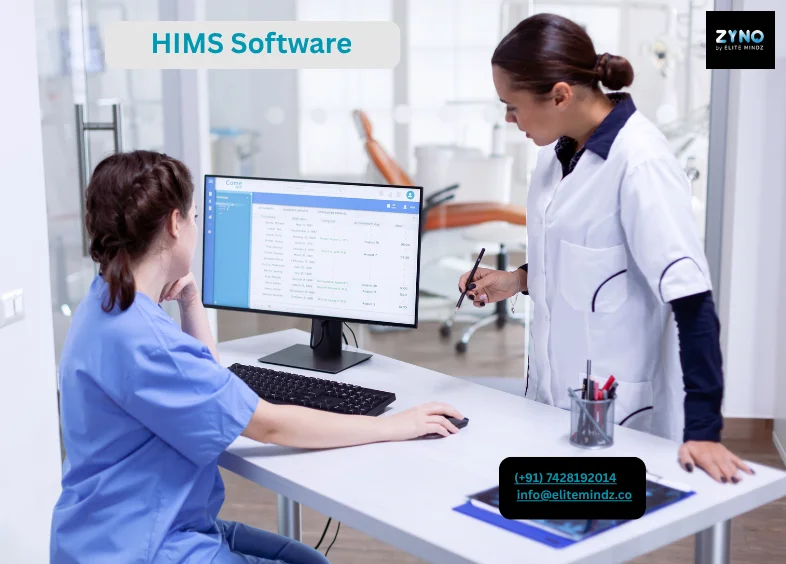
Hospitals are responsible for managing patients, healthcare professionals, medical equipment, medicines and administrative activities. Every department plays an important role in ensuring that patients receive timely and organized healthcare services.
However, managing these activities simultaneously can become difficult. Many hospitals experience problems such as delayed patient registration, inaccurate billing, poor communication, medicine shortages and inefficient recordkeeping.
Traditional management methods often require excessive paperwork and manual coordination. These processes consume time and increase the chances of operational errors.
To overcome these difficulties, healthcare organizations are moving towards digital hospital management solutions. HIMS Software (Hospital Information Management System) helps hospitals manage their daily activities through an integrated digital platform.
1. Difficulty Managing Patient Information
Hospitals generate large amounts of patient information every day. Maintaining medical histories, prescriptions, diagnostic reports and treatment records manually can become complicated.
Searching for old records also takes time and may delay administrative processes.
Solution: Digital patient management helps organize patient information in a centralized database. Authorized staff can retrieve relevant records more conveniently and maintain updated patient profiles.
2. Delays in Patient Admission and Discharge
Admission and discharge procedures involve several activities, including patient registration, bed allocation, documentation, billing and medical approvals.
When these activities are managed manually, patients may experience unnecessary delays.
Solution: HIMS software helps organize admission, transfer and discharge workflows. It improves coordination between departments and makes patient administration more structured.
3. Difficulty Managing Doctor Availability
Hospitals often have multiple doctors working across different departments and shifts. Maintaining accurate consultation schedules can become challenging.
Patients may face appointment conflicts or delays when doctor availability is not properly managed.
Solution: Digital appointment scheduling helps staff organize consultation timings, doctor availability and patient bookings.
4. Lack of Control Over Hospital Expenses
Managing hospital expenses requires accurate financial information. Errors in billing, medicine purchases and service charges can make financial monitoring difficult.
Solution: Integrated billing and financial management features help organize invoices, payment records and service-related charges. This supports better financial tracking.
5. Poor Management of Medical Supplies
Hospitals require continuous supplies of medicines, surgical products and medical equipment. Without proper inventory monitoring, essential products may become unavailable when needed.
Solution: Inventory management helps track stock levels, purchases, consumption and expiry dates. It supports better purchasing decisions and reduces avoidable wastage.
6. Problems in Managing Diagnostic Services
Laboratory departments process multiple tests and reports every day. Manual coordination between doctors and laboratory staff can create delays in diagnostic workflows.
Solution: Laboratory management features help organize test requests, patient details and diagnostic reports, improving information sharing between departments.
7. Inefficient Emergency Department Operations
Emergency departments require quick coordination between healthcare professionals and administrative staff. Managing patient details, treatment information and resource availability manually can create additional challenges.
Solution: A digital hospital management platform helps organize patient information and supports better coordination of emergency-related administrative workflows.
8. Challenges in Maintaining Patient Safety
Hospitals must maintain accurate patient details, treatment records and prescriptions. Incorrect documentation or missing information can create avoidable risks.
Solution: Digital recordkeeping, appropriate access permissions and organized documentation help healthcare facilities maintain more consistent information management.
9. Difficulty Managing Hospital Staff
Hospitals require doctors, nurses, technicians and support staff across multiple shifts. Managing employee information, attendance and duty schedules manually increases administrative workloads.
Solution: Digital workforce management helps organize staff records, attendance information and duty schedules.
10. Lack of Data for Better Decision-Making
Hospital administrators need accurate reports to understand patient flow, resource utilization, financial performance and departmental activities.
Without organized information, identifying operational problems becomes difficult.
Solution: HIMS reporting and analytics features help generate structured reports that support hospital planning and administrative decisions.
Important Benefits of Implementing HIMS Software
A modern Hospital Information Management System can help healthcare organizations improve their operations in several ways:
- Better Patient Management: Organize patient records and registration activities.
- Reduced Paperwork: Digitize routine administrative processes.
- Improved Coordination: Connect different hospital departments.
- Organized Billing: Maintain financial and payment information.
- Inventory Monitoring: Track medicines and medical supplies.
- Efficient Scheduling: Organize doctor appointments and staff duties.
- Better Reporting: Generate useful operational information.
- Data Protection: Support controlled access to confidential information.
What Should Hospitals Consider Before Choosing HIMS Software?
Selecting hospital management software requires careful planning. Hospitals should evaluate their operational requirements before implementing a digital system.
Important considerations include:
- Availability of essential hospital management modules.
- Easy-to-use interface for doctors and administrative staff.
- Appropriate patient data security features.
- Integration with laboratory and pharmacy systems.
- Customization according to hospital workflows.
- Reliable technical assistance and implementation support.
- Ability to support future organizational growth.
Conclusion
Hospital management is becoming increasingly complex as healthcare facilities handle growing patient numbers and expanding administrative responsibilities. Manual processes can create delays, documentation problems, financial discrepancies and communication gaps.
Digital HIMS software provides a practical way to manage these challenges. By bringing essential hospital activities together, it helps improve information management, streamline workflows and support better coordination between departments.
Adopting the right hospital management technology allows healthcare organizations to reduce administrative complexity and build a more efficient healthcare environment. Ultimately, better hospital management creates a stronger foundation for delivering organized and patient-focused services.