Sign up with Google
 Sign in with Zoho

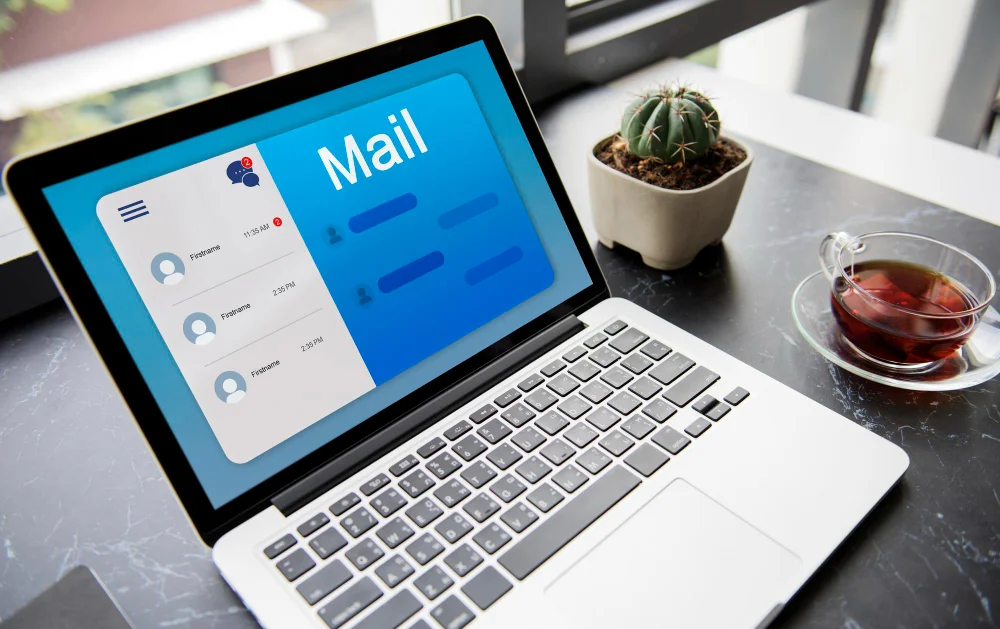
Nobody likes a pop-up that jumps out at them three seconds after landing on a page. Yet almost every business still leans on aggressive tactics to grow their list, then wonders why visitors bounce instead of subscribing. The truth is, growing an email list doesn't have to feel like a trap. It can feel like an invitation.
Below are ten practical, tested ways to collect more subscribers without turning your website into an obstacle course.
1. Give People a Real Reason to Sign Up
"Subscribe to our newsletter" is not a reason. It's a chore. Instead, offer something concrete: a checklist, a discount, a short video course, or early access to a product drop. When the offer is specific, people stop seeing the form as an interruption and start seeing it as a fair trade.
2. Time Your Pop-Ups Like a Human, Not a Robot
A pop-up that fires the instant someone arrives feels rude. Wait until they've scrolled a bit, read a paragraph, or spent thirty seconds on the page. That small delay signals respect for their attention, and it usually boosts conversion rates because the person has already decided the content is worth their time.
3. Use Exit-Intent Sparingly
Exit-intent pop-ups work, but only when they're not the fifth thing interrupting a visit. Keep it to one well-designed exit offer per session, and make the close button obvious. Hiding the "X" behind a tiny gray dot is the kind of trick that turns a potential subscriber into someone who never comes back.
4. Keep Your Forms Short
Every extra field you ask for is a reason to abandon the form. Name and email are usually enough at the top of the funnel. You can always ask for more details later, once trust has been built and the relationship has a bit of history behind it.
5. Segment From the Very First Click
Not every subscriber wants the same content. A simple checkbox ("I'm interested in: Product Updates / Industry Tips / Special Offers") lets you send more relevant emails from day one. This is where basic email lead capture starts overlapping with strategy — the goal isn't just to collect addresses, it's to collect the right context alongside them.
6. Add Lead Magnets to Your Best-Performing Content
Look at your analytics and find the three or four pages that get the most organic traffic. Those are the pages where a well-placed content upgrade — a template, a swipe file, a calculator — will convert best, because the visitor is already engaged with the topic.
7. Score Leads Instead of Treating Them All the Same
Not every subscriber is ready to buy, and treating a curious browser the same as a warm prospect wastes everyone's time. Lead scoring assigns points based on behavior: opening emails, clicking links, visiting pricing pages, downloading a second resource. Once a contact crosses a certain score, they move into a more direct, sales-focused sequence. Tools like ZUUZ AI help automate this scoring in the background, so your team spends time on the leads most likely to convert rather than chasing cold names on a spreadsheet.
8. Make the Confirmation Email Feel Like a Handshake
A lot of brands treat the "please confirm your email" message as a throwaway step. Use it instead to set expectations: how often you'll email, what kind of content to expect, and one quick win they can use right away. This single email often determines whether someone stays engaged for the next six months.
9. Test Placement, Not Just Copy
Marketers obsess over headline wording but forget that where a form sits matters just as much. A slide-in box in the bottom corner behaves very differently from a banner across the top or a form embedded inside a blog post. Run small experiments and let the data, not instinct, decide the winner.
10. Respect the Unsubscribe Button
Ironically, making it easy to leave your list builds more trust and keeps your list healthier. People who want out will find a way regardless — hiding the link only damages your sender reputation and annoys the very people you're trying to keep.
Quick Comparison: Common Capture Methods
Numbers vary by industry and audience, so treat this as a starting point for your own testing, not a guarantee.
Bringing It All Together
Good email capture isn't about tricking people into typing their address — it's about earning it. When the offer is clear, the timing is respectful, and the follow-up email actually delivers value, subscribers stick around instead of hitting unsubscribe within a week. Platforms such as ZUUZ AI are increasingly used by marketing teams to combine these tactics — form design, automated follow-ups, and behavioral scoring — into one workflow, which cuts down on the manual guesswork that used to eat up hours every week.
The businesses that grow their lists sustainably are rarely the loudest ones. They're the ones who treat every form as a small promise, and then keep it.
FAQ
Q: How many pop-ups is too many on one page?
A: Stick to one primary offer per session. Layering multiple pop-ups, bars, and slide-ins at once almost always hurts conversions instead of helping them.
Q: What's a good starting incentive for a new list?
A: A short, specific resource tied directly to the page content usually outperforms a generic "10% off" for informational or B2B sites.
Q: How is lead scoring different from basic list segmentation?
A: Segmentation groups people by stated interest; scoring ranks them by actual behavior over time, which makes it easier to know who's ready for a sales conversation.
Q: Should exit-intent pop-ups be used on mobile?
A: Generally no — mobile "exit intent" is unreliable and often triggers accidentally, which frustrates users more than it helps conversion.
Q: How soon should I email a new subscriber after signup?
A: Within minutes, while the intent is still fresh. A delayed welcome email often gets buried or forgotten entirely.