Sign up with Google
 Sign in with Zoho

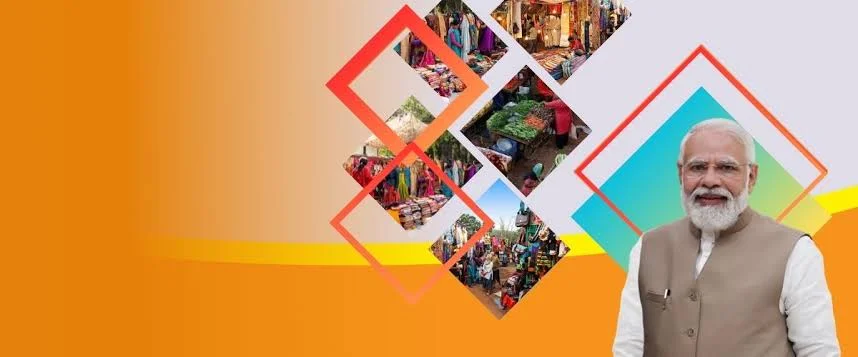
Walk through almost any busy market, railway station, neighbourhood street, or local shopping area in India, and you’ll find street vendors hard at work. Someone is selling fresh vegetables, another is serving breakfast, and someone else might be running a small stall selling clothes, toys, snacks, or household items. These businesses may look small, but they support millions of families.
For many street vendors, though, getting money to buy stock, repair a cart, or simply restart a business after a difficult period can be a real struggle. Traditional loans may involve paperwork, eligibility requirements, and other conditions that can feel overwhelming.
That is where the Government of India’s PM Street Vendors’ Atmanitbhar Nidhi, commonly known as PM SVANidhi, comes into the picture. The scheme was introduced in June 2020 to provide working capital support to eligible street vendors and help them get their businesses moving again.
But how does the journey actually work? Where does a vendor begin? What happens after submitting an application? And what about women who want financial support to run or expand their businesses?
Let’s walk through it step by step.
What Exactly Is PM SVANidhi?
PM SVANidhi is a micro-credit scheme created specifically for street vendors. The basic idea is fairly straightforward: provide access to affordable working capital so vendors don’t have to depend entirely on informal sources of borrowing.
For a vendor, even a relatively small amount can make a noticeable difference. It could mean buying more vegetables for the next day's sales, purchasing raw materials, adding inventory, or making improvements to a small vending setup.
The scheme also has a broader goal. It encourages financial inclusion and gives vendors an opportunity to become more comfortable with formal banking and digital transactions.
And yes, there’s another important part of the story: women.
A large number of women earn through small vending activities, home-based businesses, food stalls, and other informal enterprises. Access to organised credit can give them a little more control over their income and business decisions.
What Are the Main Objectives of PM SVANidhi?
The scheme isn't only about handing out loans. There are several objectives behind it.
1. Making Credit More Accessible
Street vendors often need working capital but may find formal borrowing difficult. PM SVANidhi is designed to make institutional credit more accessible to eligible vendors.
2. Encouraging Women’s Economic Participation
Women running small businesses frequently face additional hurdles when looking for finance. Access to suitable credit can help them maintain their businesses, purchase stock, and explore new opportunities.
This is where a loan for ladies for business can become particularly relevant for women looking to strengthen their entrepreneurial activities.
3. Encouraging Entrepreneurship
A street stall is still a business. It involves customers, suppliers, expenses, pricing, inventory, and daily income. Financial support can help vendors move from simply managing day-to-day expenses towards building something more stable.
PM SVANidhi Loan: What Should Vendors Know?
The PM SVANidhi loan is intended to provide working capital assistance to eligible street vendors. The initial loan amount was designed to support vendors with relatively modest funding needs, with the possibility of increased credit on successful repayment under the scheme's structure.
One useful aspect is that repayment behaviour matters. When borrowers repay their loans on time, they can potentially become eligible for higher levels of credit.
The scheme also encourages digital transactions. For someone who has traditionally dealt almost entirely in cash, this may seem like a small change. It isn't necessarily. Digital payments can make transactions easier to track and can gradually introduce vendors to more formal financial systems.
Interest subsidies and other benefits may also be available to eligible borrowers according to the applicable scheme rules.
Who Can Apply for PM SVANidhi?
The scheme primarily focuses on street vendors who were vending goods or services in urban areas when the scheme was introduced and meet the applicable eligibility requirements.
Eligible applicants generally need to establish their vending status through the documents or certification recognised under the scheme.
This is important because the scheme is not simply a general-purpose business loan. It has been created for a particular group of entrepreneurs.
Women vendors can also benefit from this support. Think about a woman selling homemade food, running a small roadside stall, or operating another vending activity. Access to formal credit could help her purchase supplies without relying completely on personal savings or informal borrowing.
The PM SVANidhi User Journey: From Awareness to Repayment
Getting financial support isn't a single-step process. For many vendors, the journey starts much earlier than the application form.
Step 1: Finding Out About the Scheme
First comes awareness.
A vendor needs to know that PM SVANidhi exists and understand what it offers. This information may come through local authorities, banks, community organisations, self-help groups, or other outreach initiatives.
And honestly, this stage matters more than it sounds. A scheme cannot help someone who has never heard of it.
Simple explanations in local languages, community meetings, and easy-to-understand information can make a big difference.
Step 2: Checking Eligibility
Once a vendor knows about PM SVANidhi, the next question is obvious: “Can I apply?”
Eligibility needs to be checked based on the applicable scheme guidelines and the vendor's documents or recognised vending status.
This is also the stage where vendors can gather the information they need before submitting an application.
Step 3: Completing the Application
The application process requires relevant personal, banking, and vending-related information.
For someone familiar with online forms, this might not seem like a big deal. For a vendor who rarely uses digital services, though, it can be confusing.
That’s why assistance from banks, local bodies, community workers, or other authorised channels can be useful.
Step 4: Document Verification and Processing
After submission, the application goes through the required verification and processing stages.
This is the part where patience comes in. Nobody enjoys waiting for a loan decision, especially when the money is needed for immediate business expenses.
Keeping the applicant informed about the status of the application can make the experience much easier.
Step 5: Receiving the Loan
Once the loan is approved and the required process is completed, the funds are disbursed according to the applicable procedure.
Now comes the important part: using the money sensibly.
The purpose of working capital support is to strengthen the business. A vendor might use the funds to purchase inventory, buy supplies, or meet business-related needs.
Step 6: Repayment
Repayment isn't just about finishing the loan. It can also influence future access to credit.
Timely repayments can help establish a better financial track record and may support eligibility for higher loan amounts under the scheme's applicable structure.
For a small vendor, maintaining regular repayments can be challenging because income may change from one day to another. Planning ahead, therefore, matters.
How Can PM SVANidhi Support Women Vendors?
Women entrepreneurs often juggle several responsibilities at once. Running a business while managing household responsibilities isn't exactly an easy balancing act.
Access to formal finance can give women vendors greater flexibility when managing their businesses.
A loan for ladies for business may help women entrepreneurs invest in inventory, improve their operations, or explore ways to increase their income, depending on the loan product and eligibility.
Financial support is only one piece of the puzzle, though. Training, digital literacy, financial awareness, and networking can also help women become more confident business owners.
Creating Stronger Networks
Imagine a group of women vendors meeting regularly and sharing practical experiences. One knows where to find cheaper supplies. Another has figured out digital payments. Someone else has learned how to attract more customers.
These simple exchanges can be surprisingly valuable.
Community networks can help women entrepreneurs learn from one another rather than trying to figure everything out alone.
Learning New Skills
Financial assistance works even better when paired with useful skills. Training in bookkeeping, digital payments, customer service, inventory management, or basic marketing can help vendors make better use of their available resources.
Why Does the PM SVANidhi Loan Journey Matter?
For a street vendor, access to finance can be about much more than borrowing money.
It can mean keeping a business running during a difficult period. It can mean purchasing enough stock to meet customer demand. It can also be the first step towards using formal financial services regularly.
For women, the impact can go a step further. Having access to business finance can contribute to greater participation in entrepreneurship and help create a stronger sense of financial independence.
Of course, borrowing should always be approached carefully. A loan still needs to be repaid. Vendors should understand the applicable interest, repayment schedule, charges, eligibility conditions, and other terms before making a borrowing decision.
Conclusion
The journey of accessing a PM SVANidhi loan starts with something surprisingly simple: awareness. From understanding eligibility and completing the application to receiving funds and making timely repayments, every stage plays a role.
For street vendors, the scheme can provide a route towards formal credit and greater financial inclusion. For women vendors, it can also support their efforts to build and sustain small businesses.
The bigger idea is worth remembering. A roadside stall may be small, but the ambition behind it often isn't. With access to appropriate financial support, useful skills, and better financial awareness, street vendors can work towards making their livelihoods more stable and sustainable.