Sign up with Google
 Sign in with Zoho

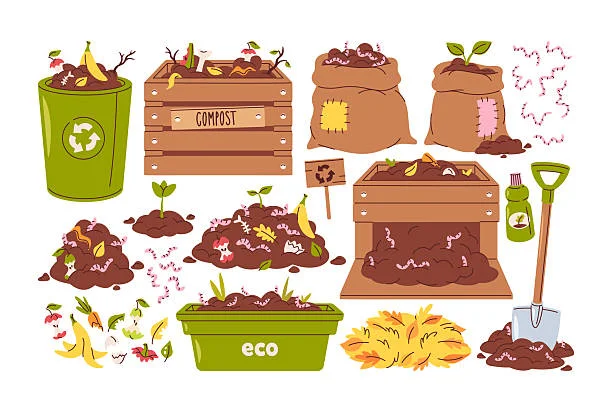
Starting a worm farm can be a simple way to recycle food scraps while producing nutrient-rich worm castings for your garden. If you're wondering how to start a worm farm, the process mainly involves choosing the right worms, preparing suitable bedding, and creating a comfortable environment for them.
You don't need a large space or complicated equipment to get started. A small, well-maintained setup can work perfectly for beginners.
What Is a Worm Farm?
A worm farm is a controlled environment where composting worms break down organic waste and turn it into worm castings. These castings can be used as a soil amendment and can provide useful nutrients for plants.
Worm farms can be kept outdoors, in garages, on balconies, or even indoors when the setup is properly maintained.
Choose the Right Worms
One of the most important steps is choosing worms that are suitable for composting. Red Wigglers are a popular choice because they prefer decomposing organic material and can live comfortably in relatively shallow bedding.
Avoid simply collecting random earthworms from your garden. Many garden species prefer living deeper in soil and may not adapt well to a worm farm.
Choose a Suitable Container
You don't need an expensive container to begin. A basic worm farm can be made using a suitable plastic or wooden container with enough ventilation and drainage.
Make sure the container:
- Has adequate air holes
- Allows excess moisture to drain
- Is large enough for your worm population
- Can be protected from extreme temperatures
- Is easy to access for feeding and maintenance
A lid can also help protect the worms from excessive light and unwanted pests.
Prepare the Bedding
Good bedding gives worms a comfortable place to live and helps maintain moisture in the system.
Common bedding materials include:
- Shredded cardboard
- Plain shredded paper
- Aged leaves
- Coconut coir
- A mixture of suitable organic materials
Moisten the bedding before adding the worms. It should feel damp but not soaked.
Add Food Gradually
Once the bedding is ready, you can introduce food scraps. Fruit and vegetable scraps, coffee grounds, tea leaves, and crushed eggshells can generally be added in moderate quantities.
Avoid adding too much food at once. Uneaten scraps can start to smell and may attract flies or other pests.
It's better to start with small amounts and increase feeding as the worm population becomes established.
Where to Get Worms for Your Farm
If you're learning how to start a worm farm, finding healthy composting worms is an important part of the process. You can look for them through local garden centers, worm farms, gardening groups, or specialist online suppliers.
For those who prefer ordering from a dedicated supplier, Memes Worms offers Pure Red Wigglers along with worm composting supplies and educational resources. Starting with composting-specific worms can make it easier to establish a productive worm farm.
Maintain the Right Conditions
Worms need a stable environment to stay healthy. Keep the bedding moist without allowing it to become waterlogged.
Temperature is also important. Keep the worm farm away from extreme heat and freezing conditions, and avoid placing it directly under strong sunlight.
Good ventilation helps prevent unpleasant odors and keeps the bedding in better condition.
How Often Should You Feed the Worms?
There's no fixed feeding schedule that works for every worm farm. The amount of food depends on the size and population of your worm colony.
Check the existing food before adding more. If plenty of scraps are still present, give the worms more time to process them.
As the colony grows, you can gradually increase the amount of food you provide.
What Happens Inside a Worm Farm?
As the worms consume organic waste, they break it down and produce worm castings. Over time, the bedding and food scraps are transformed into a dark, crumbly material.
A mature worm farm can therefore provide two useful benefits: it reduces the amount of household organic waste going into the trash and produces material that can be added to garden soil.
Common Mistakes to Avoid
Beginners sometimes make the mistake of adding too much food or keeping the bedding too wet.
Other problems can occur when the worm farm is exposed to extreme temperatures or doesn't have enough ventilation.
To keep things simple:
- Don't overfeed the worms.
- Don't let the bedding dry out completely.
- Avoid waterlogged conditions.
- Keep the farm away from extreme heat.
- Add fresh bedding when necessary.
- Give the colony time to adjust.
Conclusion
Learning how to start a worm farm doesn't have to be complicated. With a suitable container, healthy composting worms, moist bedding, and the right type of food, you can create a simple system for recycling organic waste at home.
Start small, monitor the conditions, and allow the worm population to establish naturally. As you become familiar with the system, you can gradually expand the farm and increase the amount of food it processes.
Frequently Asked Questions
1. What worms are best for a worm farm?
Red Wigglers are one of the most commonly used worms for vermicomposting because they thrive in organic material and are well suited to worm bins.
2. Can I start a worm farm indoors?
Yes. A properly maintained worm farm can be kept indoors as long as it has adequate ventilation, suitable bedding, and controlled moisture.
3. What should I feed a worm farm?
Fruit and vegetable scraps, coffee grounds, tea leaves, and crushed eggshells are commonly suitable foods. Avoid meat, dairy, oily foods, and heavily processed leftovers.
4. How long does it take to establish a worm farm?
The timeline varies depending on the number of worms, available food, temperature, and general conditions. A new colony needs time to settle and reproduce.
5. Does a worm farm smell?
A healthy worm farm should have a mild, earthy smell. Strong odors are often a sign of overfeeding, excess moisture, or poor ventilation.