Sign up with Google
 Sign in with Zoho
.webp)
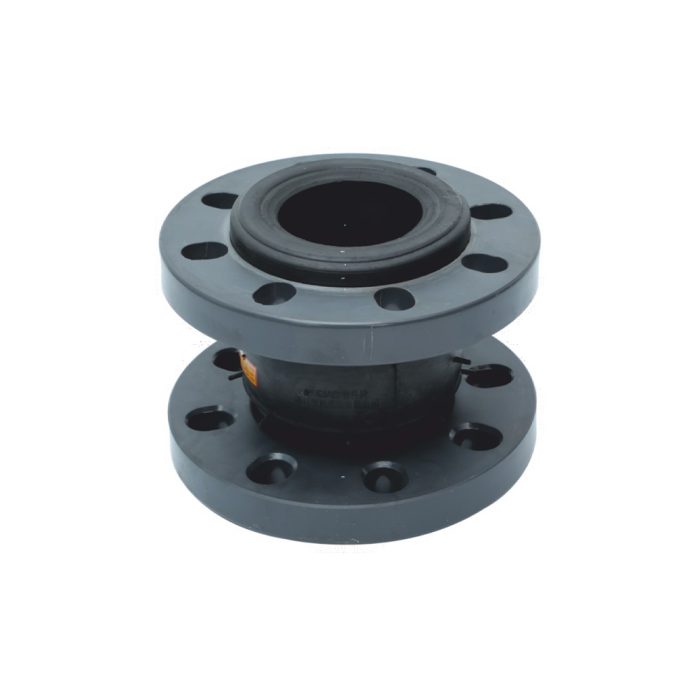
In modern industrial systems, maintaining the integrity and efficiency of piping networks is critical. Pipelines are constantly exposed to pressure variations, temperature changes, vibrations, and mechanical stress. Without proper flexibility and protection, these factors can lead to system failure, leaks, or costly downtime. This is where rubber expansion joint technology plays a vital role. Designed to absorb movement and reduce stress, rubber expansion joints have become an essential component in ensuring safety and durability across various industries.
What is Rubber Expansion Joint Technology
Rubber expansion joint technology refers to the use of flexible connectors made from elastomeric materials that are installed in piping systems. These joints are designed to absorb movements such as thermal expansion, contraction, vibration, and misalignment.
Unlike rigid connections, rubber expansion joints provide flexibility, allowing the system to adapt to dynamic operating conditions. This helps in maintaining structural stability and extending the lifespan of the entire piping system.
Importance of Safety in Piping Systems
Absorbing Vibrations
Industrial equipment such as pumps and compressors generate vibrations that can travel through pipelines. Rubber expansion joints act as vibration dampeners, preventing damage to connected components.
Handling Thermal Expansion
Temperature changes cause pipes to expand and contract. Without proper accommodation, this movement can lead to cracks or joint failures. Rubber expansion joints absorb these changes, ensuring safe operation.
Preventing Leakage
A well-installed expansion joint helps maintain a tight seal, reducing the risk of leakage. This is particularly important in systems carrying hazardous or high-pressure fluids.
Reducing Mechanical Stress
By minimizing strain on pipes and fittings, rubber expansion joints help maintain the structural integrity of the system.
Key Features of Rubber Expansion Joint Technology
High Flexibility
Rubber expansion joints can accommodate axial, lateral, and angular movements, making them suitable for a wide range of applications.
Corrosion Resistance
Made from high-quality elastomers, these joints are resistant to corrosion and chemical exposure, ensuring long-term reliability.
Noise Reduction
They help reduce noise generated by fluid flow and mechanical vibrations, contributing to a quieter working environment.
Easy Installation
Rubber expansion joints are lightweight and easy to install, reducing labor time and costs.
Applications Across Industries
Rubber expansion joint technology is widely used in multiple sectors due to its versatility and effectiveness.
Water and Wastewater Systems
In water treatment plants, these joints help manage pressure fluctuations and prevent damage to pipelines.
Chemical Processing
They are used to handle aggressive chemicals safely, thanks to their resistant properties.
Power Generation
In power plants, rubber expansion joints help manage thermal expansion and vibration in high-temperature systems.
HVAC Systems
They are commonly used in heating, ventilation, and air conditioning systems to reduce noise and absorb movement.
Ensuring Durability and Long-Term Performance
Durability is a key factor in any industrial component, and rubber expansion joints are designed to perform under demanding conditions.
Quality Material Selection
The use of high-grade rubber materials ensures resistance to wear, temperature, and chemical exposure.
Proper Design and Engineering
Advanced design techniques allow these joints to handle complex movements and pressures without failure.
Regular Maintenance
Routine inspection and maintenance help identify potential issues early, ensuring continuous performance and safety.
Factors to Consider When Choosing Rubber Expansion Joints
Selecting the right expansion joint is crucial for optimal performance.
Operating Conditions
Consider factors such as temperature, pressure, and type of fluid being transported.
Movement Requirements
Understanding the type and extent of movement in the system helps in choosing the appropriate joint design.
Material Compatibility
Ensure that the rubber material is compatible with the substances being handled to avoid degradation.
Installation Environment
Environmental factors such as exposure to chemicals or extreme weather conditions should also be considered.
Industry Contribution
The demand for reliable piping solutions has driven innovation in rubber expansion joint technology. Manufacturers are continuously improving design and material quality to meet industry requirements. Companies like Yukon Industries contribute to this evolving field by supporting the availability of durable and efficient expansion joint solutions for various industrial applications.
Future Trends in Expansion Joint Technology
With advancements in materials and engineering, rubber expansion joints are becoming more efficient and durable. New technologies are focusing on improving resistance to extreme conditions and enhancing performance in complex systems.
Integration with modern monitoring systems is also being explored to provide real-time data on joint performance, helping industries maintain safety and efficiency.
Conclusion
Rubber expansion joint technology plays a crucial role in ensuring the safety, durability, and efficiency of piping systems. By absorbing movement, reducing stress, and preventing damage, these components help maintain system integrity across various industries.
As industrial systems continue to grow in complexity, the importance of reliable and flexible solutions like rubber expansion joints will only increase. Investing in the right technology and following proper practices ensures long-term performance and operational success.