Sign up with Google
 Sign in with Zoho

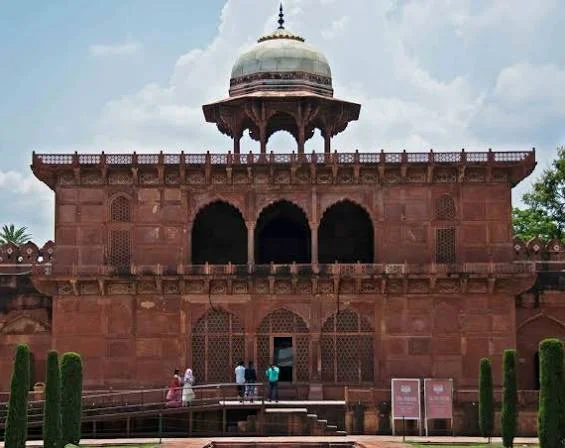
The Real Human Story Inside the Taj Museum
When you look at the Taj Mahal, it feels like a magical white dream. But how did humans build it 400 years ago without modern machines? In their famous book "Taj Museum," scholars Dr. Z.A. Desai and H.K. Kaul take us inside the official museum hidden within the Taj Mahal complex. They explain that the monument is not just a building—it is a story of heavy manual labour, brilliant science, and deep human emotion.
The book breaks down the museum into simple real-life discoveries:
1. The Real-Life "Blueprints"
Imagine building a house today. You need architectural drawings on a computer. In the 1600s, everything was done by hand. The book describes the original paper drawings kept in the museum. Looking at these charts, you realise how smart the ancient Indian engineers were. They calculated the weight of the massive white dome so perfectly that it has stood completely stable through hundreds of years of earthquakes and storms.
2. Letters Like Ancient Text Messages
We send texts to order materials online today. Emperor Shah Jahan did the same using royal letters called Farmans. The authors highlight these letters displayed on the museum walls. In one letter, the Emperor strictly orders a regional king to stop using white marble for his own palaces and send all of it to Agra
instead. It shows the real-life stress and pressure of managing the world's biggest construction project.
3. A Puzzle Pieces from Around the World
The beautiful flowers on the Taj Mahal walls are not painted. Workers cut tiny channels into the hard white marble and tightly fitted colourful gemstones inside them. The book explains a museum exhibit showing a world map of these stones. You learn that the Taj Mahal contains jade from China, lapis lazuli from Afghanistan, and turquoise from Tibet. It proves that the monument is a massive puzzle made of pieces collected from across the entire ancient world.
The Big TakeawayDesai and Kaul write this book to show that the Taj Mahal is more than just a regular tourist spot. When you see the actual weapons, royal coins, and hand-drawn maps inside the Taj Museum Agra, the history comes alive. You stop looking at just a marble tomb and start seeing the hard work of 20,000 human beings.
- Living History: The book successfully transforms a static marble tourist spot into a living, breathing historical archive.
- The Final Message: Ultimately, Desai and Kaul prove that the Taj Mahal is a masterpiece of global teamwork and unmatched human patience.