Sign up with Google
 Sign in with Zoho

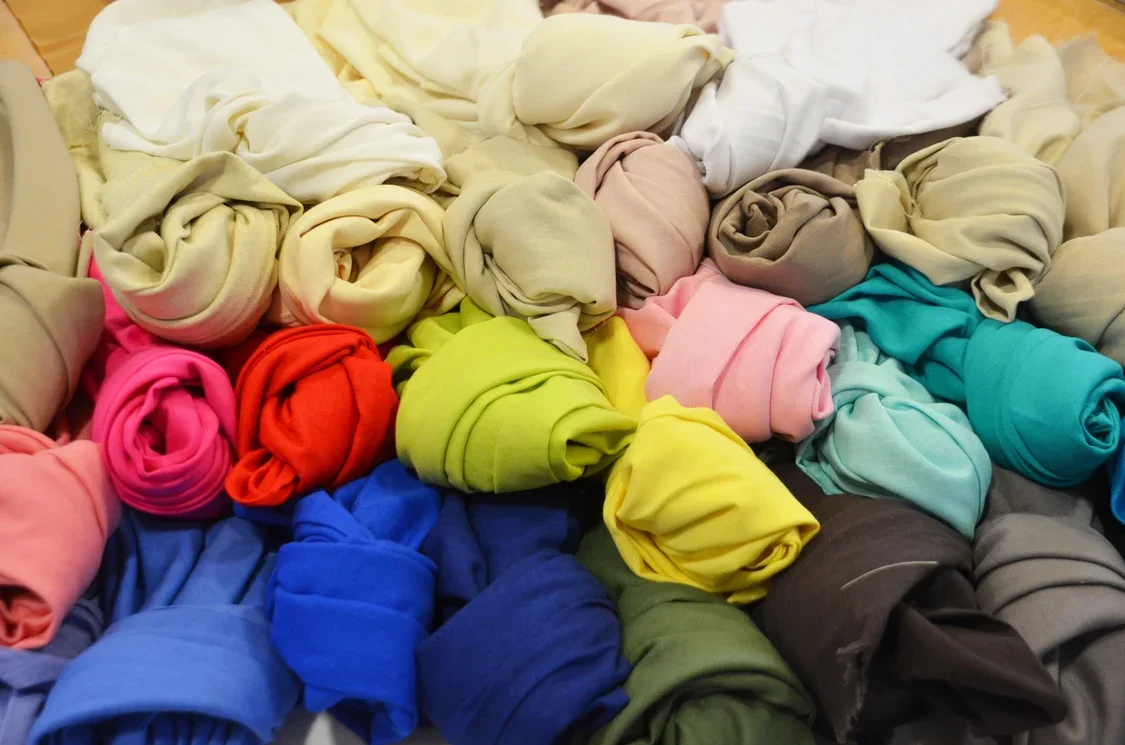
Event spaces do not always come with attractive walls, polished finishes, or built-in decorative features. Fortunately, fabric can change the look of a venue without requiring permanent updates. rayon linen fabric is one option designers can consider for pipe-and-drape systems, wall treatments, and other large-scale décor applications.
Its blend of softness and natural-looking texture gives event spaces a more refined appearance. Plus, fabric treatments can be adjusted for different themes, colors, and venue layouts. With thoughtful styling, even a plain room can feel carefully designed.
Why Does Fabric Matter in Event Design?
Large walls and open spaces can sometimes feel cold or unfinished. Bare surfaces may also distract from the event's main features. Fabric helps soften these areas while adding color and texture.
Pipe-and-drape systems are particularly useful because they can divide a large room, create a backdrop, or frame a specific area. Designers can also use fabric panels along walls to create a more cohesive visual theme.
The material itself plays a big role. A stiff or overly shiny fabric may create a completely different mood from a soft, textured option. That is why choosing the right textile is an important part of the planning process.
Can Rayon Linen Create an Elegant Drape?
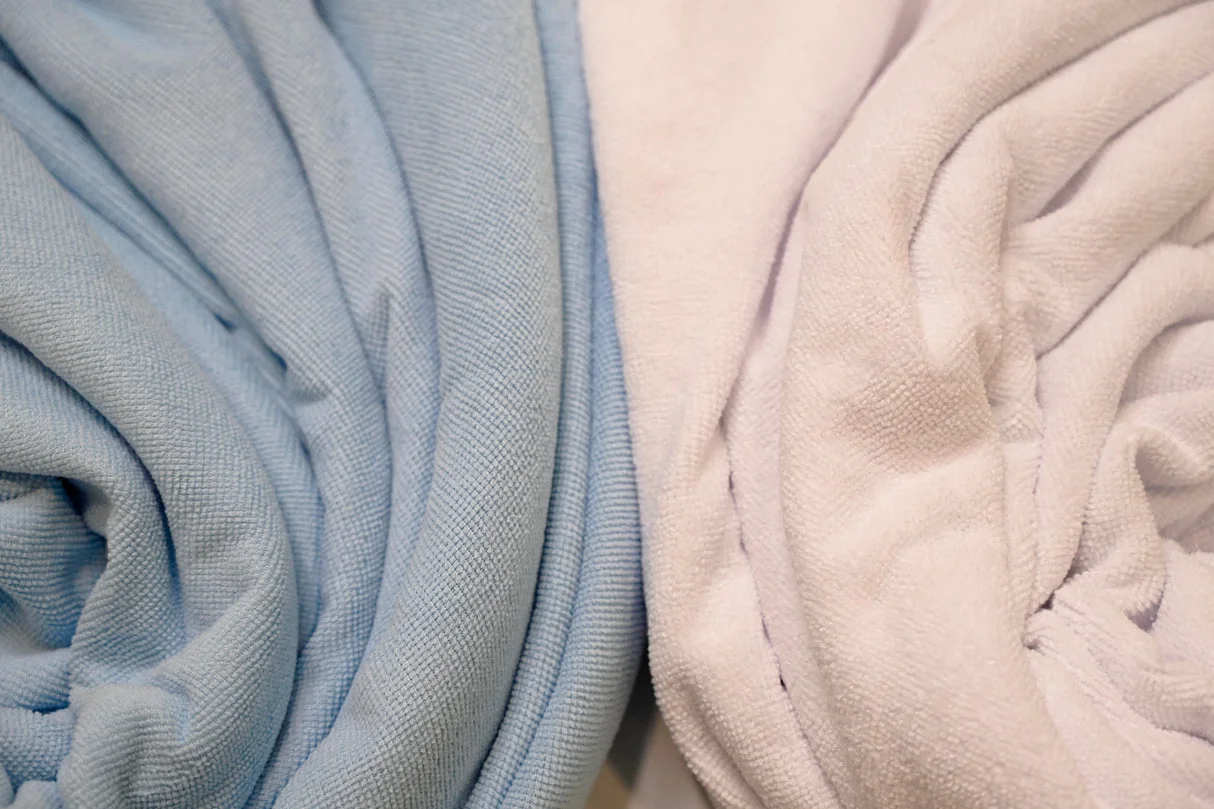
Yes. Rayon linen has a soft appearance and attractive drape that can work well in sophisticated event settings. Its texture can also bring a more relaxed quality to formal décor. Unlike very glossy materials, it does not need to rely on shine to stand out. Instead, its appeal comes from its surface texture and natural-looking character.
For pipe-and-drape installations, designers can allow the fabric to hang in full panels or create controlled folds. Either approach can add dimension to a plain wall or large room.
How Can It Improve Pipe-and-Drape Systems?
Pipe-and-drape systems provide the structure, while fabric provides the visual impact. This combination gives designers plenty of flexibility.
A series of panels can be used to:
● Frame a stage or presentation area
● Create a photo backdrop
● Divide a large venue
● Hide unattractive walls
● Define a VIP or dining section
● Create a ceremony backdrop
● Add privacy around specific areas
Using rayon fabric by the yard gives designers additional control over how much material they purchase. They can plan the quantity around the size of the installation instead of relying on fixed decorative pieces.
Can It Make Plain Walls More Interesting?
Absolutely. Large blank walls can take up a lot of visual space. Leaving them completely undecorated may make an event feel unfinished. Fabric panels can break up that space and introduce warmth. Designers can cover an entire wall or use selected panels to create a more artistic arrangement.
For example, alternating fabric widths can create a layered effect. Another option is to leave small spaces between panels so that the wall underneath becomes part of the design. This approach is especially useful for corporate events, weddings, exhibitions, and formal celebrations where the surroundings need to look polished.
What Colors Work Well With Rayon Linen?
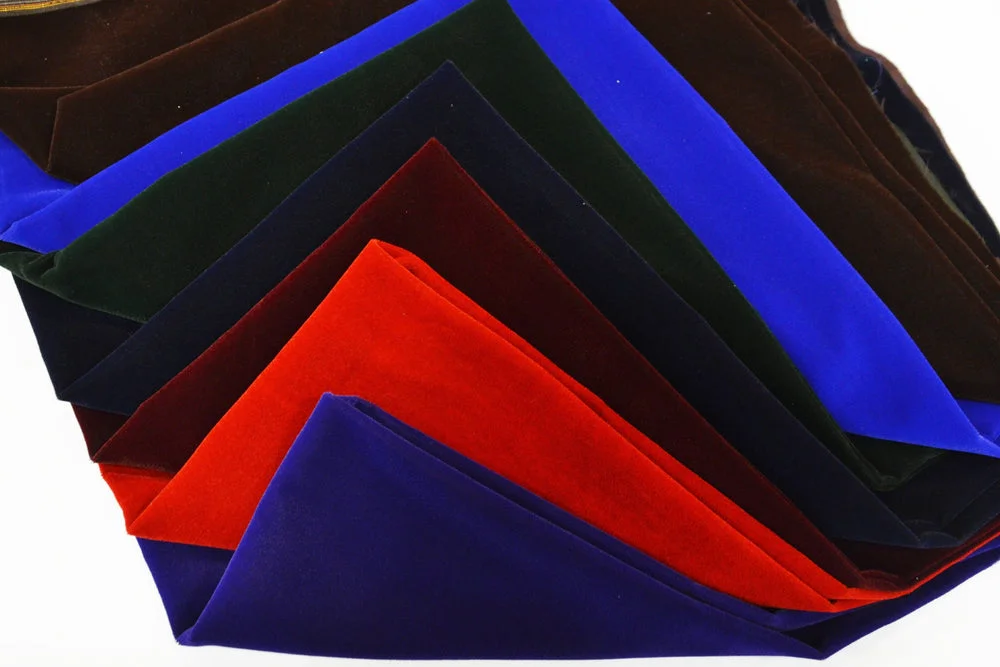
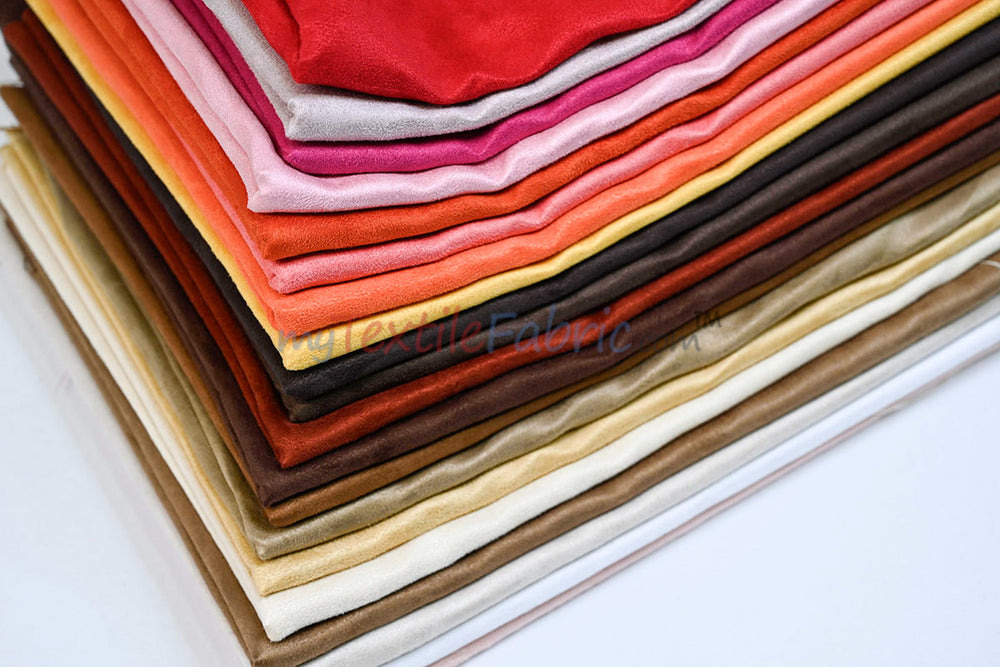
Color selection should always match the overall event theme. Neutral shades such as ivory, beige, taupe, and soft gray can create a calm and sophisticated backdrop. For more dramatic events, deeper shades can make the setting feel richer. Navy, burgundy, forest green, or charcoal can add depth without relying on excessive decoration.
Designers can also combine two complementary colors. One shade can serve as the main backdrop, while another creates borders, panels, or accent sections.
Before committing to a large installation, it is a good idea to view fabric samples under the venue's actual lighting. Colors can look noticeably different under daylight, warm bulbs, and stage lighting.
Can Layering Add More Depth?
Layering is a simple way to make fabric installations more visually interesting. Instead of using one flat row of panels, designers can overlap different sections. One layer may remain open while another is gathered or pulled to the side. This creates movement and gives the installation more dimension.
Layering can also combine different fabrics. Rayon linen may be paired with sheer textiles, satin, or other materials to create contrast.
However, there is a fine line between layered and cluttered. Keeping the color palette controlled can help the finished design look intentional.
How Can Designers Use Wall Treatments Beyond Events?
Fabric wall treatments are not limited to temporary celebrations. They can also be useful in hospitality spaces, showrooms, retail environments, and creative installations.
A fabric-covered wall can help establish a brand atmosphere or create a specific visual zone. It may also soften large areas where permanent wall finishes are not practical.
For businesses that frequently change their décor, removable fabric treatments can offer useful flexibility. The same structural system can support different fabrics depending on the occasion.
Is Rayon Linen Practical for Large Installations?
Planning is essential when working with large fabric treatments. Designers need to consider the wall dimensions, ceiling height, installation method, and amount of fullness required.
The weight of the material should also be considered when selecting a support system. Fabric must be installed securely, especially in busy venues where guests and staff will be moving nearby. It is also important to check venue rules before installation. Some locations have specific requirements for hanging materials, attachment methods, and fire safety.
How Can Designers Keep the Setup Looking Professional?
Good installation can make even simple fabric look impressive. Panels should be measured carefully and hung at consistent heights. Uneven spacing or poorly secured sections can quickly take away from an otherwise polished design.
Steam or press the fabric according to its care instructions before installation. Wrinkles can be particularly noticeable on large backdrops.
Designers should also consider lighting. Properly positioned lights can highlight texture and create subtle shadows across the folds. Finally, keep the overall design balanced. Not every wall needs to be covered. Sometimes, treating one large area as a focal point creates a stronger effect.
A Sophisticated Solution for Flexible Event Spaces
Fabric gives designers an easy way to transform the look and feel of a venue. Rayon linen fabric can bring softness, texture, and understated elegance to pipe-and-drape systems and wall treatments.
From hiding plain walls to creating stage backdrops and defining event zones, it offers plenty of creative possibilities. With the right color, installation technique, and lighting, designers can create a sophisticated setting without relying on permanent architectural changes. And when the event is over, the setup can be changed for the next occasion.