Sign up with Google
 Sign in with Zoho

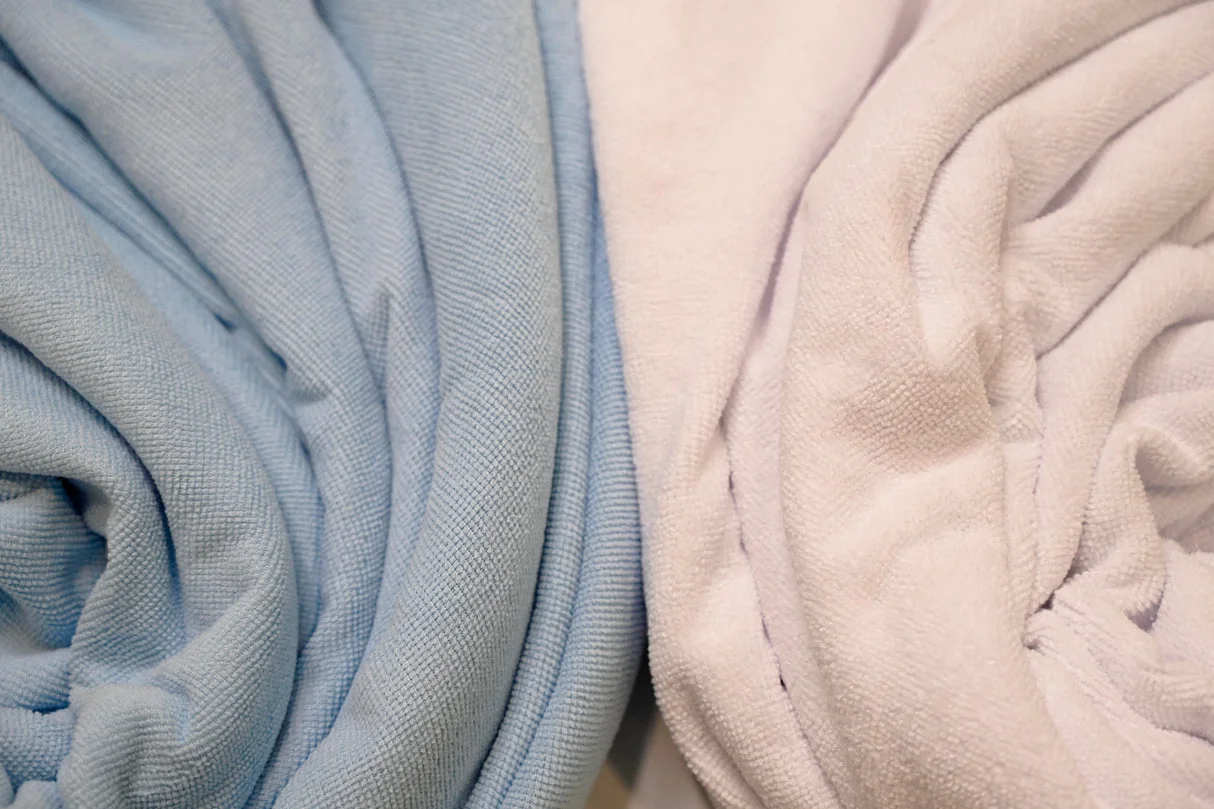
A good fabric needs to do more than look nice. It should also be useful, easy to handle, and suitable for the job. Microfiber is known for its fine fibers, soft feel, and ability to handle many everyday tasks. Because of these qualities, microfiber fabric by the yard can be useful for both commercial projects and household needs.
From cleaning products and towels to furniture covers and decorative items, microfiber can fit into many applications. But what makes this material so flexible?
What Makes Microfiber Different?
Microfiber is made from very fine synthetic fibers. These fibers create a soft surface while also giving the material useful strength and flexibility.
The fine structure can help the fabric pick up dust, dirt, and moisture. At the same time, it can feel smooth enough for applications where a softer material is preferred.
That combination makes microfiber useful in settings where both comfort and practical performance matter.
How Can Businesses Use Microfiber?
Commercial businesses often need materials that can handle repeated use. Hotels, cleaning companies, auto detailers, gyms, restaurants, and other businesses may use microfiber products as part of their daily work.
Common applications include:
● Cleaning cloths
● Towels
● Polishing cloths
● Furniture covers
● Protective covers
● Hospitality textiles
● Automotive cleaning products
For businesses, the ability to reuse microfiber products can also be useful. Proper washing and care can help extend their working life.
Is Microfiber Good for Cleaning?
Yes. Cleaning is one of the best-known uses for microfiber. The fine fibers can help collect dust, dirt, and moisture from different surfaces.
A microfiber cloth can be used on glass, countertops, furniture, appliances, and many other surfaces. It can also be useful for polishing because the soft surface is less likely to feel rough against delicate materials. However, the cloth should still be matched to the surface and cleaning product being used.
Can It Be Used for Household Towels?
Microfiber is also useful for household towels. It can absorb moisture quickly and often dries faster than many traditional fabrics. This can be helpful for kitchen towels, bathroom towels, hair towels, and cleaning cloths. Lightweight microfiber products are also easy to store because they do not take up much space.
For busy households, that can be a handy feature.
How Does Microfiber Work for Furniture?
Microfiber can also be used for furniture and home décor projects. Its soft texture can make it suitable for upholstery, cushion covers, throws, and other decorative items. The right fabric weight is important here. A lightweight material may work for smaller decorative pieces, while a heavier option may be better for furniture that receives regular use.
Designers should also consider color, texture, and cleaning needs before choosing the material.
Can Microfiber Be Used in Automotive Applications?
Definitely. Auto detailing businesses often rely on microfiber products for cleaning and polishing. The soft surface can be useful for wiping dashboards, windows, mirrors, and painted surfaces.
Different microfiber products can be made for different tasks. Some may be designed for drying, while others are better suited to polishing or general cleaning. For commercial users, choosing the right type can help improve the overall cleaning process.
Why Is Buying Fabric by the Yard Useful?
Buying fabric in larger cuts gives businesses and makers more freedom. Instead of purchasing only finished products, they can cut the material into the sizes needed for specific projects.
Microfiber fabric by the yard can be useful for businesses producing custom cleaning cloths, covers, towels, or other textile products. It may also be helpful for DIY projects where standard product sizes do not fit.
Before purchasing in bulk, buyers should check the fabric width and calculate how much material each finished item will require.
Is Microfiber Suitable for Commercial Hospitality?
It can be a practical option for hotels, spas, salons, and other hospitality businesses. These businesses often need textiles that are comfortable, easy to handle, and simple to clean. Microfiber can be used for cleaning cloths, towels, wraps, and other products. Its lightweight nature can also make storage and transportation easier.
However, businesses should always check the fabric's washing instructions and expected lifespan before choosing it for high-use settings.
Can It Support DIY Home Projects?
Yes. Home makers can use microfiber for many simple projects. Its soft feel and easy handling make it suitable for practical items around the house.
Some ideas include:
● Cleaning cloths
● Kitchen towels
● Small storage covers
● Cushion covers
● Pet towels
● Polishing cloths
● Reusable household wipes
Using fabric by the yard can also reduce the need to work around fixed product sizes. Makers can cut exactly what they need and save leftover pieces for smaller projects.
What Should Buyers Check Before Choosing Microfiber?
Not all microfiber fabrics have the same qualities. Before buying, check the fabric's weight, thickness, softness, absorbency, width, and intended use. It is also wise to order a sample first. This lets buyers test the material before committing to a large order.
For commercial projects, consistency is especially important. The fabric should maintain similar quality across larger quantities so that finished products have a uniform look and feel.
Why Is Microfiber So Flexible?
Microfiber can support many commercial and household applications because it combines a soft feel with useful everyday performance. Its fine fibers make it suitable for cleaning, while its lightweight and flexible nature allows it to be used for towels, covers, upholstery, and other projects.
For businesses and DIY makers, microfiber fabric by the yard offers added freedom to create products in custom sizes. Meanwhile, microfiber cloth fabric remains a practical choice for cleaning and polishing tasks. With the right weight and finish, microfiber can be a useful material for everything from daily household chores to large-scale commercial applications.