Sign up with Google
 Sign in with Zoho
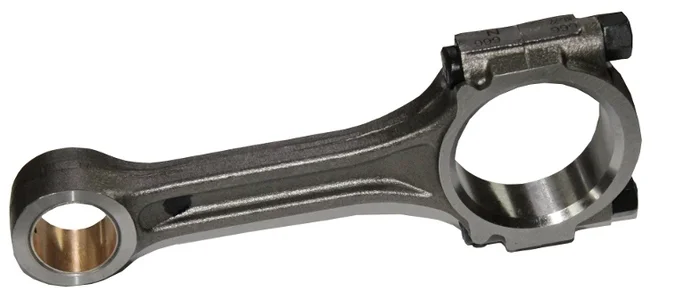

A connecting rod may look like a simple engine component, but it has a very important job. It connects the piston to the crankshaft and transfers the force created during combustion into the rotating movement of the crankshaft. Because of this, the design of a connecting rod can have a direct effect on engine performance, reliability and service life.
A good connecting rod needs to be strong enough to handle high loads, but it also needs to be light enough to keep unnecessary weight away from the moving parts of the engine. This balance becomes even more important in high-RPM and high-performance engines.
Material Makes a Big Difference
The material used for a connecting rod affects its strength, weight and ability to handle repeated loads. Forged steel is widely used because it provides a good combination of strength and fatigue resistance.
For some applications, other materials and manufacturing methods can also be suitable. The right choice depends on the engine type, operating speed, load and intended use.
A connecting rod used in an agricultural or industrial engine may have very different requirements compared with one designed for a high-RPM performance engine.
Connecting Rod Shape and Design
The shape of the rod is not only about appearance. The I-beam and H-beam designs are common examples, and each design can be engineered for specific strength and weight requirements.
The small end connects to the piston, while the big end connects to the crankshaft. Both areas need to be accurately designed and machined because they experience repeated loads every time the engine runs.
A properly designed rod distributes these forces efficiently and helps reduce unnecessary stress.
Weight Also Matters
Every time an engine reaches high RPM, the connecting rod moves extremely quickly. Its weight therefore becomes important because heavier components create greater inertia forces.
However, simply making a connecting rod lighter is not always better. Removing too much material from a structural area can reduce its strength. Engineers have to find the right balance between low weight and enough material to withstand the loads of the engine.
This is one reason why connecting rod design requires careful engineering rather than simply reducing the overall weight.
Precision Is Just as Important as Strength
Even a strong connecting rod can cause problems if its dimensions are not accurate. The big-end bore, small-end bore, bearing location and overall dimensions all need to be properly controlled.
Correct bearing clearance is especially important. Too much or too little clearance can affect lubrication and increase wear.
Good machining and quality control help make sure the rod works correctly with the crankshaft, piston and bearings.
Design for Different Engine Applications
Not every engine needs the same connecting rod. Automotive engines, agricultural engines, marine engines and industrial engines can all have different requirements.
A high-performance engine may need a lightweight rod capable of handling high RPM and heavy loads. An industrial engine may place more focus on long-term durability and continuous operation.
This is why connecting rods are normally designed around the specific engine application instead of using one design for every engine.
The Importance of Proper Manufacturing
The manufacturing process also plays a major role in the final performance of a connecting rod. Forging, machining, heat treatment and finishing processes can all affect the strength and reliability of the finished component.
Quality inspection is equally important. Checking dimensions, surface condition and other critical areas helps identify manufacturing problems before the component reaches the engine.
For manufacturers such as Windsor Conrod, maintaining consistency in dimensions and manufacturing quality is important when producing connecting rods for different engine applications.
Final Thoughts
Connecting rod design is a combination of strength, weight, material selection and precision. A well-designed rod needs to handle repeated loads while working smoothly with the piston, crankshaft and bearings.
Whether the application is an everyday vehicle, agricultural machinery, an industrial engine or a high-performance engine, choosing the right connecting rod design can make a real difference to engine reliability and durability.