Sign up with Google
 Sign in with Zoho

Woodturning is a craft where small improvements in technique and equipment can make a noticeable difference. From selecting the right lathe tool to preparing the surface for finishing, every stage contributes to the final result. Sanding is particularly important because even an excellent cut can require careful surface refinement before a finish is applied.
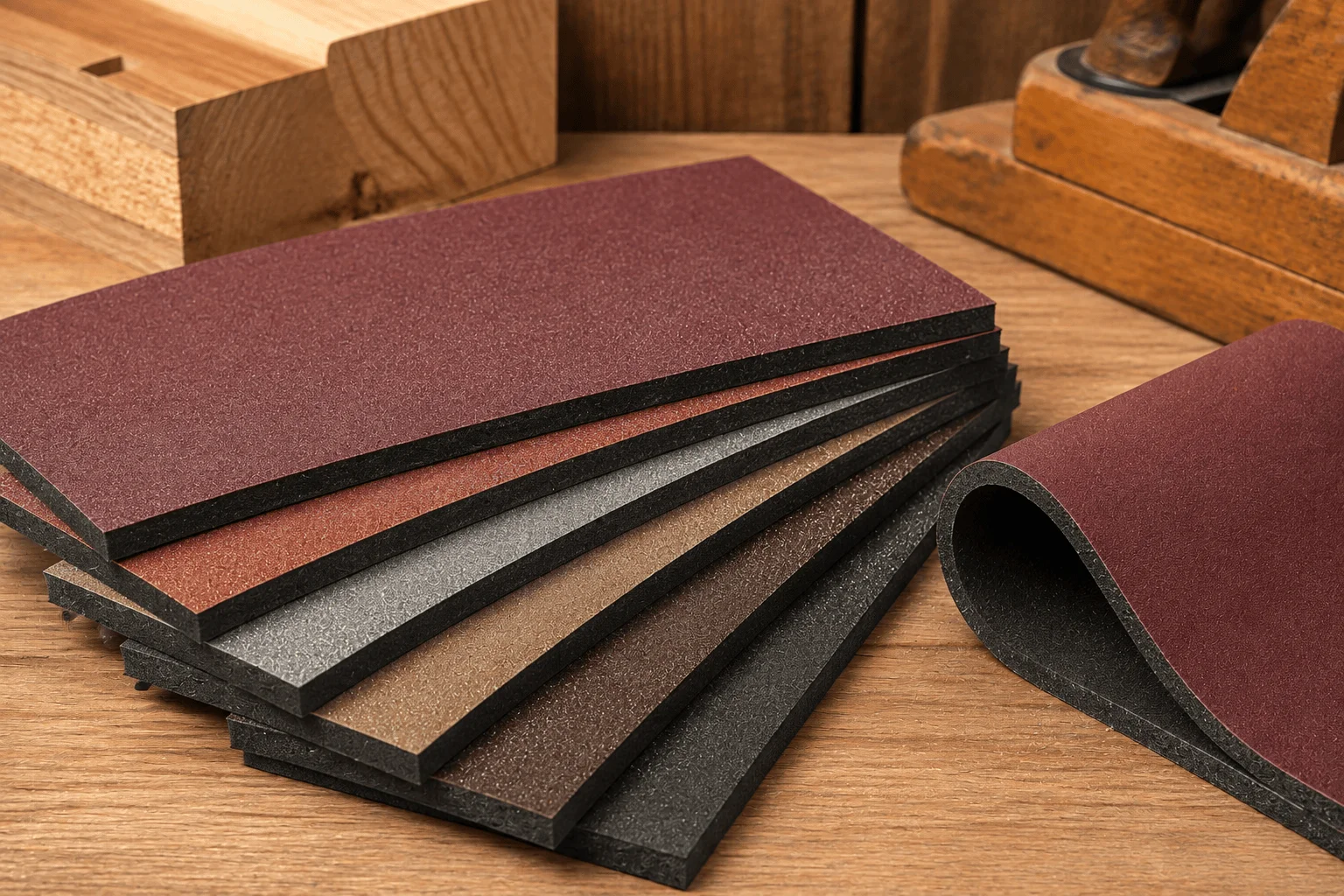
For woodturners looking to improve their sanding workflow, foam backed sandpaper & Trend Air Shield Pro represent two useful areas to consider. Flexible abrasives can help with sanding curved wooden surfaces, while appropriate respiratory protection can complement dust extraction and other workshop safety practices.
At Vince’s Wood N’ Wonders, the focus is on helping woodturners understand abrasives and sanding products rather than simply choosing products without understanding their purpose. The website offers premium abrasives, sanding products, backup pads, sanding accessories, SIA SOFT products, and the Trend Professional Air Shield Pro for woodturners.
Why Flexible Sanding Materials Matter
Woodturning projects rarely have completely flat surfaces. Bowls, vessels, hollow forms, platters, and decorative pieces contain curves and changing contours. A rigid sanding surface may not always follow these shapes naturally.
This is one reason foam backed sandpaper can be useful. The flexible foam backing can help the abrasive conform to curved surfaces while providing a cushioned feel during sanding. Instead of forcing a flat abrasive against a rounded surface, the flexible backing can provide more consistent contact.
For bowl interiors and other curved sections, maintaining controlled contact is particularly important. Excessive pressure can potentially create uneven sanding patterns or remove material unnecessarily. A flexible abrasive combined with light, consistent pressure can make it easier to follow the natural shape of the project.
Selecting the Correct Sanding Sequence
Choosing an abrasive is only part of the sanding process. The progression between grits is equally important.
A woodturner generally begins with a grit appropriate for the condition of the surface. A project with noticeable tool marks may require a coarser abrasive, while a relatively clean cut may allow the turner to begin with a finer grit.
The objective is not simply to use as many grits as possible. Instead, each stage should remove the scratches produced by the previous stage before moving to the next finer abrasive.
Skipping too many stages can leave deeper scratches behind. These imperfections may become particularly visible once oil, lacquer, wax, or another finish is applied.
Keeping different grits organized can also improve efficiency. Accidentally returning to a coarse abrasive after completing several finer stages can undo some of the work already completed.
Foam Backed Sandpaper and Curved Wood
One of the most practical applications of foam backed sandpaper is sanding complex curves. When working on the inside of a bowl, for example, the abrasive must follow a constantly changing radius.
The foam backing provides some flexibility that can help the sanding material conform to those contours. This can make it easier to work around transitions without aggressively pressing the abrasive into the wood.
Another important technique is maintaining movement. Rather than holding an abrasive in one location for an extended period, keep it moving consistently across the surface. This helps promote a more even result and reduces unnecessary heat buildup.
The sanding process should also be evaluated frequently. Stop periodically, inspect the surface under good lighting, and determine whether the scratches from the previous grit have been removed before continuing.
Why Dust Management Should Be Part of the Process
Sanding creates fine wood particles, and prolonged sanding can produce substantial airborne dust. Good workshop practice therefore involves more than choosing an effective abrasive.
Dust extraction, ventilation, housekeeping, and appropriate personal protective equipment all have roles in a responsible sanding setup.
This is where the Trend Air Shield Pro can fit into a woodturner's overall workshop strategy. Vince’s Wood N’ Wonders specifically lists the Trend Professional Air Shield Pro for Woodturners among its woodworking-tool categories.
Personal respiratory protection should be selected according to the materials being worked, the dust hazards involved, the manufacturer's instructions, and the overall workshop environment. It should complement—not replace—effective dust collection and good housekeeping.
Creating a More Efficient Workshop Routine
The combination of foam backed sandpaper & Trend Air Shield Pro addresses two different elements of the sanding process.
The abrasive focuses on surface preparation and sanding control. Respiratory protection addresses personal protection from airborne particles when used correctly as part of a broader dust-management strategy.
Together, these considerations can encourage woodturners to think about sanding as a complete process rather than an isolated final step.
For example, before sanding a bowl, inspect the surface and identify areas requiring additional attention. Select an appropriate abrasive, keep the pressure controlled, and use a logical grit progression. At the same time, ensure that dust extraction and personal protective equipment are properly prepared before beginning extended sanding.
This approach can make the workshop more organized and reduce unnecessary interruptions.
Pairing Abrasives With the Right Accessories
Abrasive performance can also depend on the accessories used with it. Vince’s Wood N’ Wonders offers sanding backup pads, Velcro-backed sanding discs, interface products, and other sanding accessories designed for woodworking and woodturning applications.
Using an appropriate backup pad can help the abrasive work more effectively on different surfaces. Flexible interfaces can also be useful when additional conformity is needed around curves.
The key is to match the sanding accessory to the application rather than assuming one setup is ideal for every project.
Education Can Improve Sanding Results
One of the useful aspects of Vince’s Wood N’ Wonders is its emphasis on educating customers about abrasives. The company explains that customers can ask questions about sanding and learn about differences between abrasive products and what may work for their needs.
This educational approach is valuable because sanding results depend on several factors, including wood species, surface condition, grit selection, pressure, sanding speed, accessory choice, and finishing method.
Learning why a particular abrasive behaves differently can ultimately be more valuable than simply purchasing another product.
Building a Better Woodturning Workflow
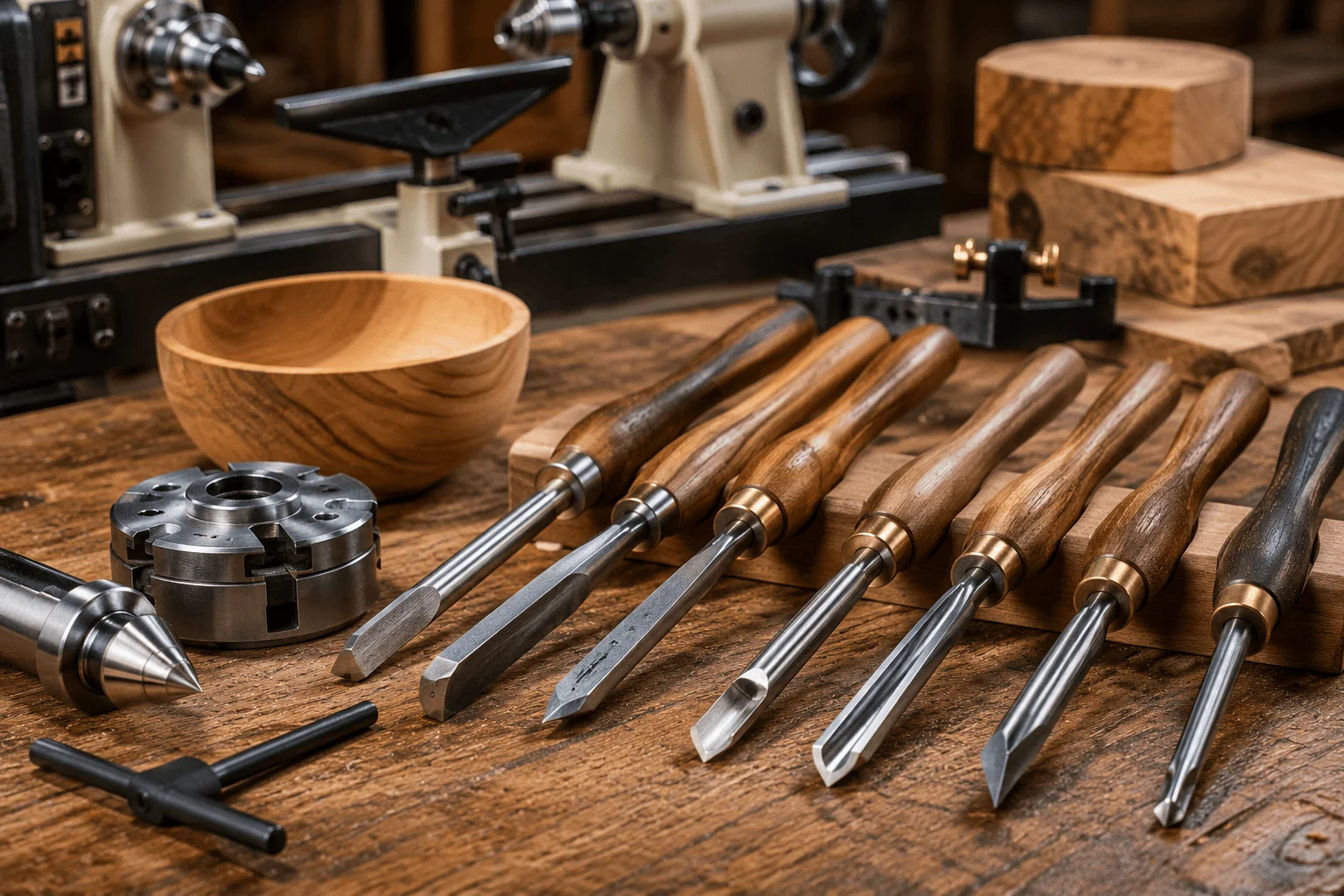
A successful woodturning project involves a series of connected decisions. Sharp tools help produce clean cuts, suitable sanding products refine the surface, and proper finishing techniques bring out the character of the wood.
At the same time, workshop safety should remain part of the workflow from beginning to end.
Using foam backed sandpaper & Trend Air Shield Pro as part of a broader sanding strategy can help woodturners think about both surface quality and workshop protection. Flexible abrasives can be particularly helpful when working with curved forms, while appropriate respiratory protection can complement dust extraction and other safety measures.






.webp)