Sign up with Google
 Sign in with Zoho


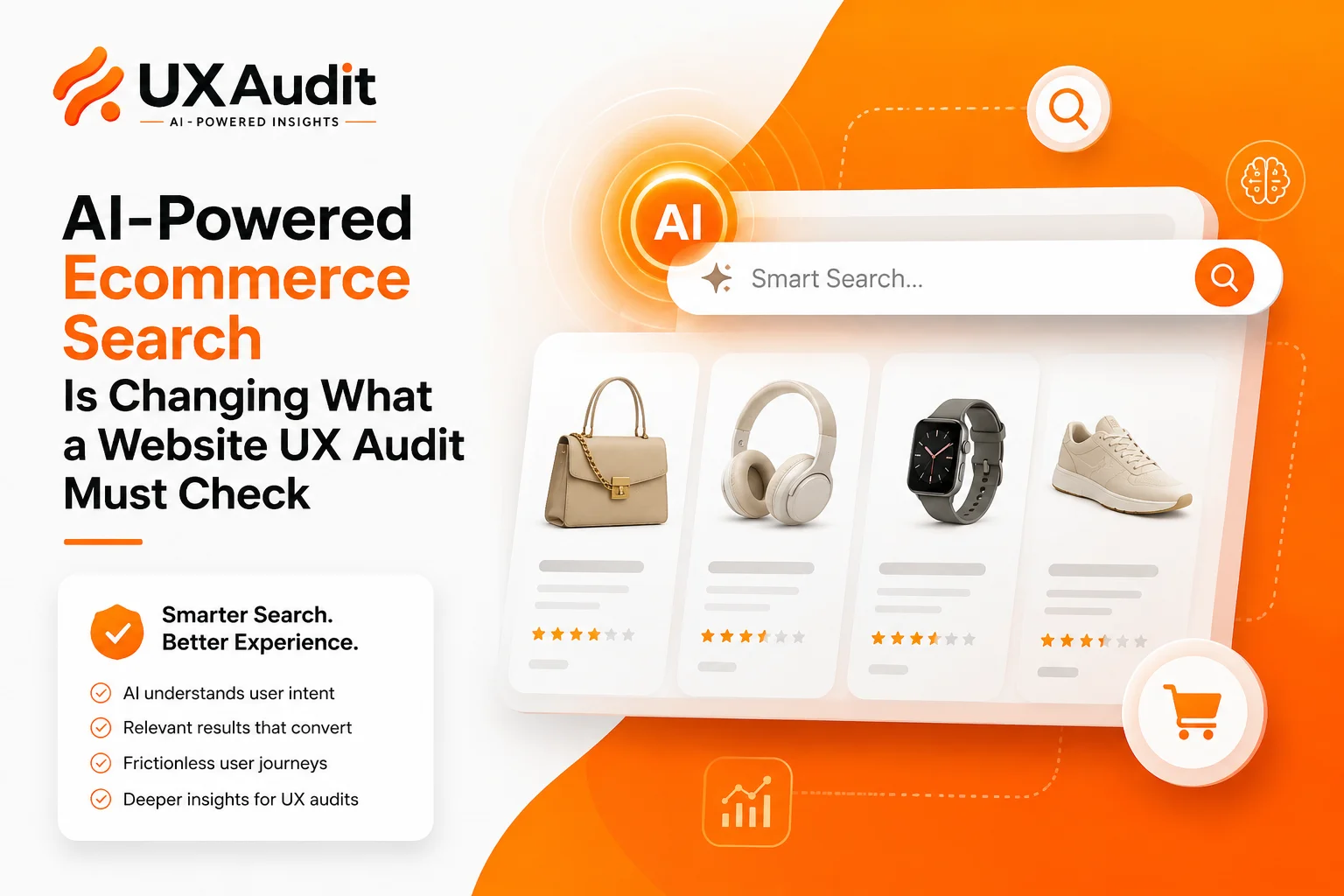
AI is changing how people discover products, compare options, and make buying decisions online. As search becomes more conversational and AI-powered, ecommerce businesses are paying greater attention to what happens after a customer reaches their website. A clear, fast, and easy-to-use experience can help visitors find products, understand information, and complete purchases without unnecessary friction.
The New Ecommerce Search Experience
Online shoppers are no longer relying only on traditional search results. AI-powered search experiences are helping people ask detailed questions and discover relevant websites and products in new ways. Google has continued expanding AI Overviews and AI Mode, with a stronger focus on connecting users with useful websites and original content.
This change creates a new challenge for ecommerce businesses. Getting discovered is only one part of the customer journey. Once shoppers reach a website, the experience needs to support their next step.
If product information is difficult to find, navigation is confusing, or checkout takes too much effort, potential customers may leave before completing a purchase.
Why Ecommerce UX Matters in 2026
Ecommerce customers have many choices. They can compare products, prices, reviews, and brands within minutes.
A strong user experience can make it easier for shoppers to:
- Find relevant products
- Understand product details
- Compare available options
- Complete purchases
- Contact customer support
- Return to the website later
Current ecommerce UX research also continues to identify problems with site search and product discovery. Baymard's 2026 benchmark found that 56% of ecommerce sites had issues adequately supporting users' search needs.
These problems show why ecommerce usability should be reviewed as part of ongoing website improvement.
What a Website Usability Audit Can Reveal
A website usability audit evaluates how easily visitors can use a website and complete important tasks. It can identify problems that may not be obvious from the visual design alone.
Common areas include:
- Navigation and menu structure
- Product search and filtering
- Mobile usability
- Page loading performance
- Product page clarity
- Forms and checkout
- Calls to action
- Content structure
The goal is not simply to make a website look better. The goal is to understand where users experience confusion, delays, or unnecessary steps.
Ecommerce UX Audit: Finding Friction Before It Costs Sales
An ecommerce UX audit focuses specifically on the shopping journey. It can examine how customers move from product discovery to product evaluation and finally to checkout.
For example, a product page may contain attractive images but lack important information. A filter may exist but make it difficult to select multiple options. A checkout page may request unnecessary information.
Each small issue can add friction.
Reviewing the complete journey helps businesses understand which problems deserve attention first. The UX audit process can combine analytics, heatmaps, session recordings, customer feedback, and usability principles to identify potential improvements.
AI Search Makes Website Clarity More Important
AI search is making online discovery more conversational. Users can describe what they need in greater detail instead of depending on short keywords. Google has also reported that AI Mode supports longer and more complex searches as Search becomes more interactive.
For ecommerce websites, this makes clear product information increasingly important.
Product names, descriptions, specifications, categories, pricing information, shipping details, and frequently asked questions should be easy to understand.
A visitor should not have to search through several pages to understand whether a product meets their needs.
Mobile UX Cannot Be Ignored
Many customers browse and purchase through mobile devices. A website that works well on desktop but creates problems on smaller screens can lose valuable opportunities.
Businesses should regularly check:
- Mobile page speed
- Button sizes
- Menu usability
- Product image display
- Text readability
- Search and filter functionality
- Checkout forms
A UX review can help identify issues that appear only on specific screen sizes or devices.
How AI Tools Can Support UX Audits
AI is also becoming part of the UX evaluation process. A Free AI UX Audit Tool can help businesses review website experiences, identify potential usability issues, and organize findings more efficiently.
However, automated analysis should support—not replace—human judgment. Analytics, customer feedback, usability testing, and business goals still provide important context when deciding which problems should be fixed first.
The most useful approach combines automated insights with real user behavior and measurable objectives.
UX Improvement Is an Ongoing Process
A website audit should not be treated as a one-time activity. Customer expectations, devices, search behavior, and ecommerce technology continue to change.
Regular UX reviews can help businesses identify new friction and improve important journeys over time.
In 2026, the relationship between AI search and website experience is becoming increasingly important. AI may help customers discover a product or business, but the website still needs to provide a clear and trustworthy experience once the visitor arrives.
For ecommerce brands, better UX is therefore not only a design consideration. It is part of creating a digital journey that helps customers discover, understand, and act with less friction.