Sign up with Google
 Sign in with Zoho

Why Early Planning Matters in Project Cargo Logistics
Moving a large piece of industrial equipment from one country to another sounds straightforward until the practical challenges begin. A shipment may be ready at the factory, but the delivery route could have a bridge that cannot support its weight. A port may lack the right lifting equipment, or a transportation permit may take longer than expected.
These are the kinds of situations that make project cargo logistics different from ordinary freight transportation.
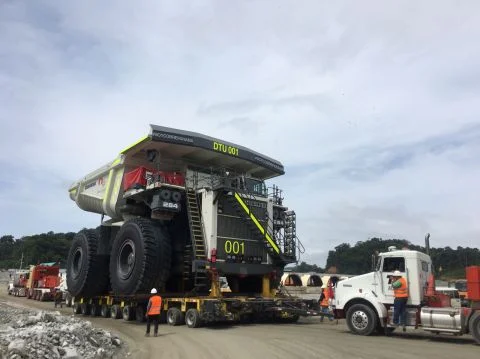
Project cargo often includes heavy machinery, power generation equipment, industrial components, and oversized structures. Such shipments require careful coordination because their dimensions, weight, and handling requirements may exceed standard transportation limits.
The most effective way to manage these challenges is to begin planning well before the cargo is ready for dispatch.
1. Understand the Cargo Before Arranging Transportation
Every successful project cargo movement starts with accurate cargo information.
Logistics teams need to know more than the total weight of a shipment. They must also understand its dimensions, center of gravity, lifting points, packaging requirements, and any restrictions on handling.
For example, two machines may weigh the same but require completely different transportation arrangements because of their shapes or weight distribution.
A long industrial component may create difficulties when navigating narrow roads, while a compact but extremely heavy transformer may require specialized trailers to distribute its weight safely.
Technical drawings, packing lists, and engineering specifications help transportation planners make informed decisions.
Collecting this information early reduces the likelihood of equipment changes or unexpected delays.
2. Conduct Route Surveys Before Finalizing the Plan
Route planning is one of the most important parts of transporting oversized cargo.
A road suitable for standard commercial vehicles may not be suitable for a large industrial shipment.
Potential obstacles include low bridges, narrow intersections, overhead cables, restricted tunnels, road gradients, and infrastructure weight limits.
These challenges become more complicated when cargo must cross several regions or international borders.
Digital mapping tools can help identify possible routes, but physical route surveys may still be necessary to verify actual conditions.
For example, a route may appear suitable on a digital map but contain a sharp turn that prevents a long trailer from passing safely.
Early route assessments allow logistics teams to identify alternative routes, obtain necessary approvals, and avoid last-minute transportation problems.
3. Identify Permits and Regulatory Requirements
Heavy and oversized cargo transportation frequently requires special permits.
Requirements vary depending on the countries involved, the cargo's dimensions, the transportation equipment, and the roads being used.
Some movements may require pilot vehicles for oversized loads, temporary road restrictions, or permission to travel during specific hours.
International shipments may also involve customs documentation, import regulations, and coordination with relevant authorities.
If these requirements are identified too late, the shipment may be delayed even when the cargo and equipment are ready.
Planning ahead gives logistics teams time to prepare documentation, coordinate with authorities, and include realistic approval periods in the transportation schedule.
4. Select Suitable Transportation Equipment
Standard trucks and trailers are not always suitable for project cargo.
Depending on the shipment, transportation may require low-bed trailers, modular hydraulic trailers, specialized cranes, or heavy-lift vessel arrangements.
Choosing the right equipment depends on the cargo's technical characteristics and the conditions along the planned route.
Equipment availability is another important consideration.
Specialized transportation resources may need to be reserved well in advance, especially when several industrial projects are taking place simultaneously.
Early coordination with qualified equipment providers helps ensure that the selected solution is technically suitable and available when required.
5. Coordinate Every Stage of Multimodal Transportation
Many international project cargo shipments involve multiple transportation modes.
A large industrial component might travel by road from a manufacturing facility to a port, continue by sea to another country, and then require additional inland transportation to reach the project site.
Each stage introduces new responsibilities and operational requirements.
The port must have suitable handling facilities. The vessel must be appropriate for the cargo. The destination team must arrange the equipment and personnel needed for unloading and final delivery.
A delay during one stage can affect the entire transportation schedule.
This is why logistics teams should plan the complete journey rather than treating each stage as an independent shipment.
Clear communication between carriers, port operators, freight forwarders, and project managers helps maintain coordination.
6. Prepare for Unexpected Transportation Challenges
Even a carefully planned shipment can encounter unexpected problems.
Weather disruptions, port congestion, equipment breakdowns, and changes in local regulations can affect transportation schedules.
The purpose of early planning is not to eliminate every possible risk. Instead, it helps logistics teams identify the most likely challenges and prepare practical responses.
For example, a project may benefit from an alternative transportation route, backup equipment arrangements, or additional time around critical delivery milestones.
Risk assessments should consider the cargo's value, handling requirements, transportation complexity, and delivery deadlines.
Having contingency plans in place allows teams to respond more effectively when circumstances change.
7. Improve Communication Between Stakeholders
Project cargo transportation often involves manufacturers, engineers, logistics providers, customs specialists, port operators, and construction teams.
Each party depends on accurate information to complete its responsibilities.
A small change in cargo dimensions, for instance, may affect route feasibility, lifting arrangements, transportation permits, and equipment selection.
If this information is not communicated promptly, the consequences can be expensive.
Regular coordination meetings, updated transportation schedules, and clearly assigned responsibilities help reduce misunderstandings.
Digital tracking and documentation platforms can also improve shipment visibility and make information easier to share.
Good communication is not simply an administrative task. It is an essential part of successful project cargo transportation.
8. Control Costs Through Better Preparation
Complex cargo transportation can involve expenses beyond the basic freight charge.
Specialized equipment, lifting operations, permits, traffic, port handling, storage, and cargo insurance may all contribute to the final cost.
Unexpected changes can increase these expenses significantly.
Early planning allows logistics teams to evaluate transportation options and prepare more realistic budgets.
For example, identifying a route restriction before confirming a shipment may allow the team to compare alternative transportation methods.
Reviewing the complete transportation process also helps businesses understand which costs are fixed and which may change depending on operational conditions.
A realistic budget, supported by appropriate contingency allowances, provides greater financial visibility throughout the project.
9. Prioritize Safety Throughout the Shipment
Safety should remain a priority from initial cargo assessment to final delivery.
Heavy lifting, unusual cargo dimensions, and specialized transportation equipment can create significant operational risks.
Suitable lifting plans, cargo securing arrangements, equipment inspections, and qualified personnel are essential.
Planning these requirements early gives teams sufficient time to review technical details and prepare safe working procedures.
For sensitive industrial equipment, additional monitoring or handling precautions may also be appropriate.
A strong safety approach protects personnel, cargo, infrastructure, and the overall project schedule.
Conclusion
Project cargo logistics involves much more than moving heavy equipment from one location to another.
It requires technical assessments, route planning, regulatory coordination, specialized equipment, and effective communication between multiple transportation partners.
When planning begins early, logistics teams have more time to identify potential obstacles, compare transportation options, manage costs, and prepare for unexpected challenges.
This approach supports safer operations, more realistic schedules, and better coordination across the supply chain.
For businesses involved in international industrial and infrastructure projects, early logistics planning is an important foundation for reliable cargo transportation.
About the Author
The NMT Projects Team shares insights into international project logistics, heavy lift transportation, oversized cargo shipping, and multimodal freight coordination. Their content focuses on practical transportation challenges and planning approaches for industrial and infrastructure projects.
Website: https://nmtprojects.com/









.webp)