Sign up with Google
 Sign in with Zoho

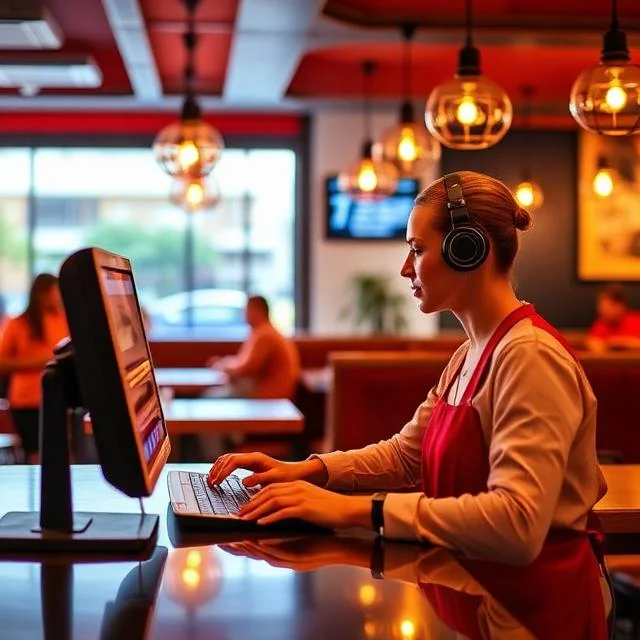
A restaurant phone can become a problem during the busiest part of service. Staff are seating guests, answering questions, processing payments, and coordinating with the kitchen. When nobody answers the phone, a potential reservation can disappear before anyone notices.
Why Are Restaurants Looking at AI Restaurant Reservations?
The pressure starts with something simple: guests still want answers immediately. A caller may want a table for four, ask about opening hours, change an existing booking, or enquire about a private event. An AI restaurant reservations system can handle many routine requests while staff remain focused on guests already inside the restaurant.
AI phone systems now go beyond basic answering machines. Depending on the setup, they can understand natural language, collect booking details, answer approved questions, and pass unusual requests to employees. Google also uses automated calls for certain restaurant-related requests, including checking restaurant wait times, although availability varies by region and language.
What Problems Does AI Actually Solve?
Restaurants rarely need another complicated tool. They need the phone to work when the team cannot get to it. That makes AI receptionist technology useful when phone demand peaks unexpectedly.
It can help restaurants:
- Answer incoming calls during busy service periods.
- Capture table reservations and important guest details.
- Handle common questions about menus and opening hours.
- Record after-hours enquiries for staff follow-up.
- Manage reservation changes and cancellation requests.
- Reduce the number of missed restaurant calls.
The biggest benefit comes from removing repetitive interruptions rather than removing people from hospitality.
Can AI Handle Restaurant Reservations Without Staff?
That depends on how the reservation system connects with the restaurant's existing processes. Some platforms capture reservation requests for staff confirmation, while more advanced systems can check availability and complete bookings directly. Current restaurant voice platforms advertise integrations with systems such as OpenTable, Resy, and SevenRooms.
A restaurant should decide which tasks AI can complete independently and which situations require human involvement. That boundary matters for unusual requests, large groups, allergies, complaints, and situations where the available information does not provide a clear answer.
What Should an AI Restaurant Phone System Know?
An effective system needs accurate information before it answers guests. Restaurant owners should provide clear rules instead of expecting AI to guess.
Important information includes:
- Current opening hours and holiday schedules.
- Reservation rules, seating periods, and cancellation policies.
- Menu information and common dietary questions.
- Location, parking, accessibility, and contact details.
- Private dining, group booking, and event policies.
- Escalation rules for questions requiring employees.
This knowledge helps the restaurant maintain consistent restaurant call handling while keeping human staff involved where judgment matters.
Is AI Better Than Letting Calls Reach Voicemail?
For many restaurants, the real comparison is not AI versus people. It is AI answering versus a ringing phone that nobody can reach. During dinner service, voicemail can leave guests waiting for a callback when they could simply contact another restaurant.
AI answering service for restaurant phones can capture the enquiry immediately and give staff useful context. Some systems also create call summaries or reservation records, making follow-up easier after service.
Should Every Restaurant Use AI Phone Handling?
Not necessarily. A restaurant with low call volume and plenty of front-desk coverage may gain little from automation. A busy venue receiving frequent reservations, group enquiries, and after-hours calls has a much stronger reason to consider it.
Before choosing restaurant booking automation, owners should check whether the system handles their actual reservation workflow, transfers difficult conversations properly, protects guest information, and integrates with their current reservation tools.
For restaurants evaluating AI restaurant reservations services, the goal should remain practical: answer more calls, capture more booking opportunities, and reduce unnecessary interruptions without weakening the guest experience.
What Is the Main Takeaway?
AI is not replacing hospitality. It is becoming another tool for managing the front desk when employees cannot answer every call. Restaurants that use it carefully can automate routine reservations, handle guest enquiries, support reservation management, and give staff more time to look after people in the dining room.