Sign up with Google
 Sign in with Zoho

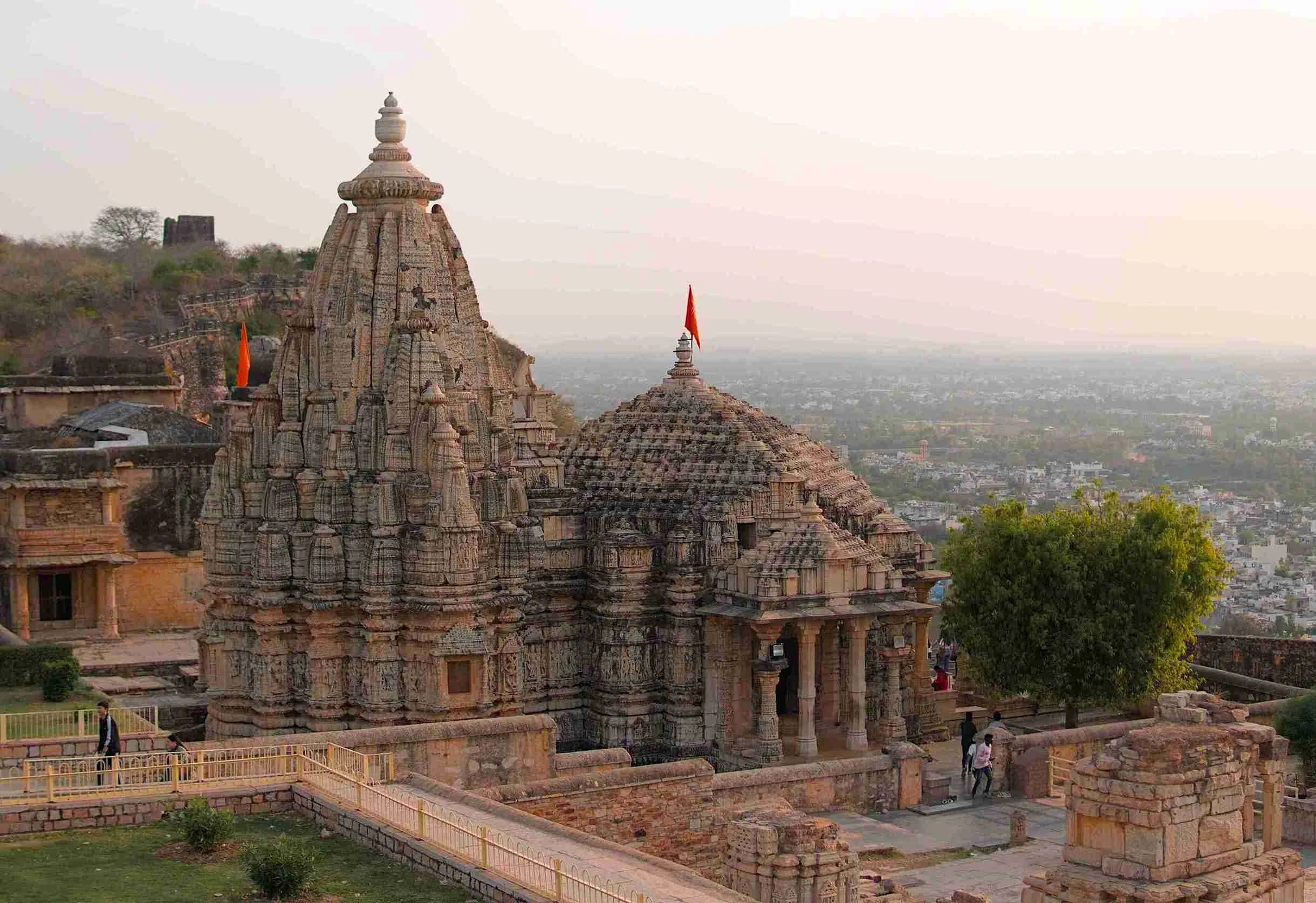
Why does a state known for forts and desert dunes keep drawing pilgrims year after year? The answer lies in its shrines. Rajasthan has temples older than most of its palaces, some tied to Rajput clans, some to Jain merchant families who funded marble work that still makes sculptors squint. A few are quiet. A few are loud, crowded and very much alive. Planning a route between them takes more than a map, because distances are long and opening hours are odd. Here are the Famous Temples in Rajasthan worth building a trip around, grouped by region so you are not zigzagging across the state.
Table of Contents
- Which temples can you visit in and around Jaipur?
- Which temples are near Udaipur and Mount Abu?
- Which temples are in Pushkar and Bikaner?
- When is the best time to visit?
- How should you plan the route?
- FAQs
- Pro Tip
Which temples can you visit in and around Jaipur?
1. Govind Dev Ji Temple, Jaipur. Inside the City Palace complex, this Krishna temple runs seven aartis through the day. The hall is wide and open, so devotees stand shoulder to shoulder facing the deity. Go for the early morning aarti if you dislike crowds.
2. Galtaji, Jaipur. Tucked into an Aravalli gorge on the eastern edge of the city, Galtaji is a cluster of shrines, pavilions and natural spring-fed kunds. Monkeys run the place. Keep food out of sight and carry nothing loose.
3. Khatu Shyamji, Sikar district. Devotees come for Shyam Baba, linked in local belief to Barbarik from the Mahabharata. The annual fair around Phalguna (February to March) draws the heaviest footfall, and queues can stretch for hours.
4. Salasar Balaji, Churu district. A Hanuman temple in the Shekhawati belt. Hanuman Jayanti brings the largest gatherings, so pick another week if you want room to breathe.
Which temples are near Udaipur and Mount Abu?
5. Eklingji Temple, near Udaipur. About 22 km north of the city, this Shiva temple was the family deity of the Mewar rulers. Inside, a four-faced black marble lingam sits within a complex of smaller shrines. Phones and cameras are restricted, so leave them in the car.
6. Shrinathji Temple, Nathdwara. Roughly 48 km from Udaipur, this is the main seat of Krishna worship in Rajasthan, with the deity shown as a child of seven. Darshan happens in short windows through the day, and the town is known for Pichwai paintings, which make a better souvenir than anything sold near the gate.
7. Ranakpur Jain Temple, Pali district. Built in the 15th century and dedicated to Adinath, it holds 1,444 carved pillars, and the local guides will tell you no two are alike. Non-Jain visitors are generally allowed in during the afternoon, so plan around that. Wear covered clothing.
8. Dilwara Jain Temples, Mount Abu. Two of the group, Vimal Vasahi and Luna Vasahi, carry marble carving of a fineness that is hard to describe without sounding silly. The ceilings do most of the work. Photography is not permitted inside, and visiting hours for non-Jains are limited to the afternoon.
Anyone sketching out the Best Temples to visit in Rajasthan for a first trip tends to start with these two Jain sites, mostly because the craftsmanship is unlike anything else in the state.
Which temples are in Pushkar and Bikaner?
9. Brahma Temple, Pushkar. One of the very few temples in India dedicated to Brahma. It sits beside Pushkar Lake, and a flight of steps leads up to a hilltop shrine nearby if you have the legs for it. The Kartik Purnima fair in November fills the town, and rooms vanish early.
10. Karni Mata Temple, Deshnoke. About 30 km south of Bikaner. Thousands of rats live here and are treated as sacred, fed from bowls and left to roam the courtyard. Spotting a white one is considered lucky. You walk barefoot, so bring socks you do not mind sacrificing, as the floor is not clean.
When is the best time to visit?
October to March is the comfortable window. Daytime temperatures in the desert west drop to tolerable levels, and most major fairs fall within these months. April to June gets brutal, especially in Bikaner and Churu, where afternoon heat can make stone floors painful underfoot.
Monsoon (July to September) turns the Aravalli region around Udaipur and Mount Abu green, but road delays are common.
How should you plan the route?
Rajasthan is large. Fitting all ten into one trip is possible, but you will spend long hours in a car. A sensible split looks like this:
- Jaipur, Khatu Shyamji and Salasar Balaji: 3 to 4 days
- Pushkar and Bikaner: 2 to 3 days
- Udaipur, Nathdwara, Ranakpur and Mount Abu: 4 days
Many travellers lean on a ready-made Rajasthan tour package because temple timings, dress codes and drive times are tedious to coordinate alone.
FAQs
Which is the oldest temple on this list? Dating is debated for several sites. The Dilwara temples are among the best documented, built between roughly the 11th and 13th centuries.
Are non-Hindus allowed inside? Rules differ by temple. Jain temples at Ranakpur and Dilwara admit visitors during set afternoon hours. Eklingji and Nathdwara have their own restrictions, so confirm locally.
What should I wear? Cover shoulders and knees. Choose clothes that are easy to remove shoes with, since you will queue barefoot at most sites.
Pro Tip
Carry a small cloth bag for your shoes and keep cash in small notes. Many temples have shoe counters, and prasad stalls rarely take cards.
Final Thoughts
Temple travel in Rajasthan rewards people who plan the logistics before the devotion. Distances are long, dress rules are strict, and timing matters more than you expect. If you would rather skip the juggling, Travel Junky can arrange your next trip through a customised Rajasthan holiday package, with drivers, stays and darshan timings sorted in advance. Get in touch and let them handle the route while you focus on the temples