Sign up with Google
 Sign in with Zoho

Once a customer steps through your door, the story of your brand continues. The walls, counters, and corridors all send messages about who you are and how you work.
Well-planned indoor business signs shape that story. This guide covers the main types, design choices, and practical steps for creating interior signage that looks polished and works hard every day.
Why Interior Signage Matters
Many owners spend heavily on exterior signs and treat the inside as an afterthought. Yet the interior is where customers decide whether to trust you, buy from you, or return.
Good signage creates a sense of order. Visitors know where to check in, where to wait, and where to go next. That clarity lowers stress and makes your team look organized.
Interior signs also reinforce your identity. A logo on a feature wall or a consistent set of room labels makes your brand feel complete and intentional.
Popular Types of Indoor Business Signs
Different spaces need different solutions. These are the most common formats worth considering.
Reception and Lobby Signs
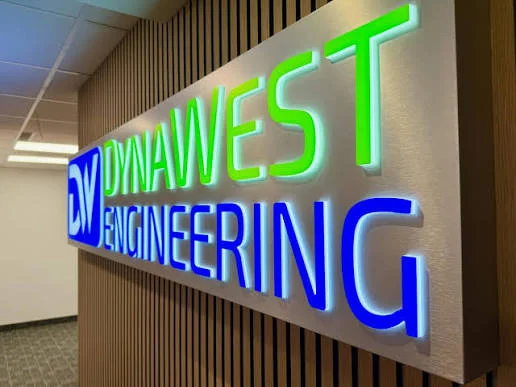
A logo display behind the front desk is often the first thing visitors notice. Raised letters, layered acrylic, or backlit panels create depth and a professional first impression.
Directional and Wayfinding Signs
Arrows, floor numbers, and directory boards help people move through larger buildings. They reduce interruptions for staff and improve the visitor experience.
Room and Door Signs
Name plates, suite numbers, and meeting room labels keep spaces easy to identify. Matching styles across the building give it a cohesive look.
Wall Graphics and Murals
Printed vinyl and large-format graphics can display brand values, product images, or inspiring messages. They are a flexible way to add personality without major renovation.
Menu Boards and Promotional Displays
Restaurants, cafes, and retail shops use interior displays to highlight offers and guide purchases. Easy-to-update formats keep information current.
Safety and Compliance Signs
Exit markers, accessibility signs, and emergency instructions protect people and meet building requirements. They should be visible, durable, and installed to code.
Choosing the Right Materials
Material affects both style and lifespan. Interior environments are gentler than outdoor ones, which gives you more creative freedom.
Acrylic offers clean lines and vibrant colour, and it can be frosted, polished, or backlit. Brushed aluminum and stainless steel bring a modern, premium look. Wood adds warmth for restaurants, studios, and boutique spaces.
Vinyl and laminate panels suit budget-conscious projects and frequent updates. Choose finishes that complement your flooring, furniture, and wall colours.
Design Tips for Better Results
A strong sign is attractive and easy to read. Keep these principles in mind.
Keep it legible. Choose clear fonts and sufficient letter height for the viewing distance. Fancy scripts can look elegant but are often hard to read.
Create contrast. Dark text on a light background, or the reverse, improves visibility. Check how the sign looks against the actual wall colour.
Stay consistent. Use the same fonts, colours, and styles across all signs. Consistency builds recognition and a sense of quality.
Leave breathing room. Generous spacing around text and logos looks more confident than a crowded layout.
The Role of Lighting
Lighting changes how a sign looks and feels. Backlit and edge-lit designs make logos glow, which works well in reception areas and dim retail spaces.
Ambient lighting also matters. Glare from overhead fixtures can wash out glossy surfaces. Matte finishes often solve this problem and stay readable from many angles.
Test your design in the real space when possible. A sample or mock-up can prevent costly surprises.
Accessibility and Code Considerations
Interior signs must work for everyone. Accessibility standards address tactile lettering, braille, contrast, character size, and mounting height. Building and fire codes add requirements for exits and emergency information.
Rules vary by building type and location, so confirm them before design begins. Planning for compliance from the start is far easier than replacing signs later.
Working With a Sign Partner
A good partner helps you move from idea to installation without confusion. Look for a company that offers design support, precise fabrication, and careful mounting. Clear timelines and written quotes are essential.
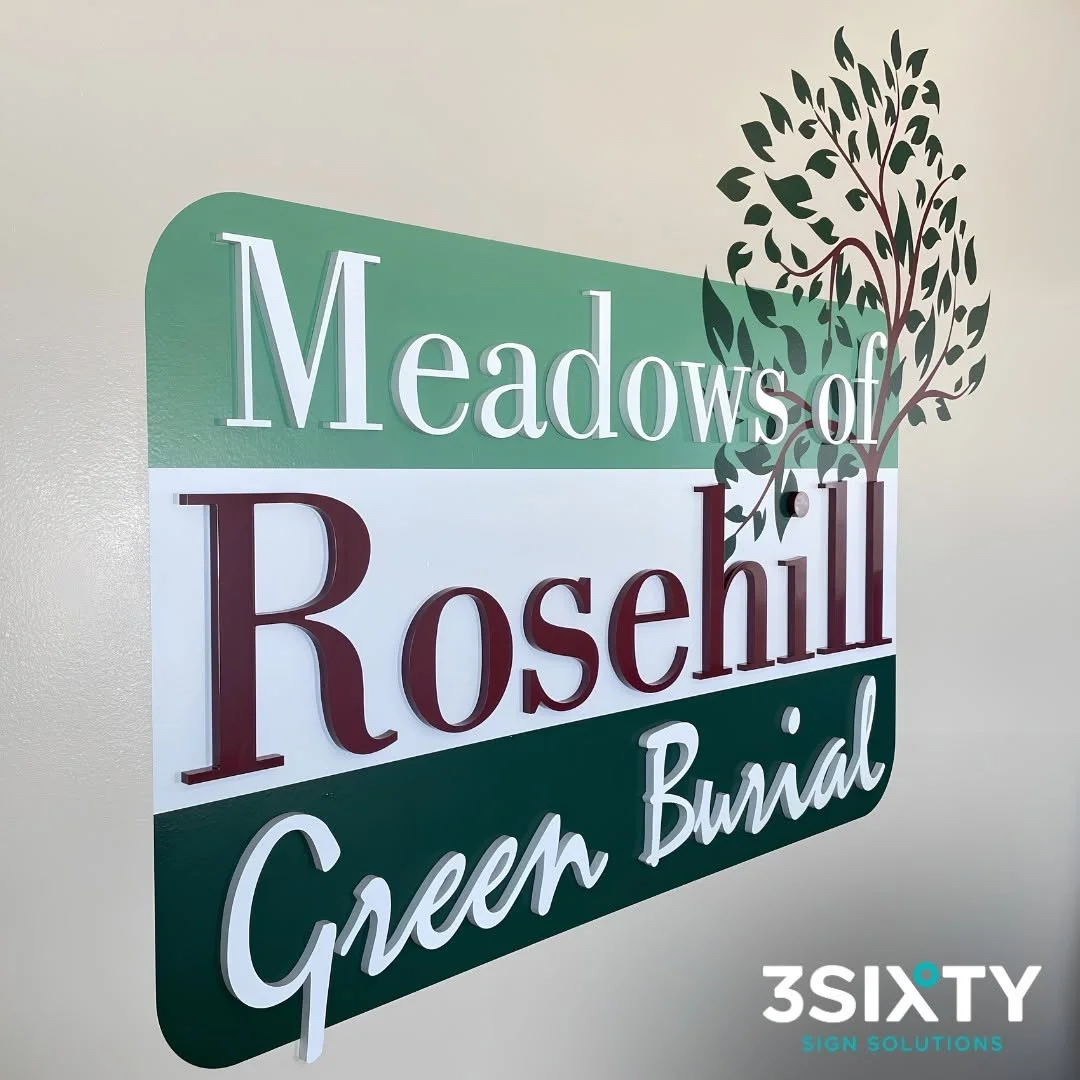
One example is 3Sixty Sign Solutions, a provider that helps businesses with signage from concept through installation. Whoever you choose, ask to see completed interior projects and read client feedback.
Budgeting Your Project
Costs depend on size, materials, lighting, complexity, and installation. A set of door plates costs much less than a large illuminated lobby feature with custom fabrication.
Request itemized quotes from more than one provider. Compare what each includes, such as design, installation, and warranty. The lowest price may reflect thinner materials or limited support.
Caring for Your Interior Signs
Interior signs are easy to maintain. Dust them regularly with a soft microfibre cloth. Use mild cleaner for fingerprints and avoid harsh chemicals that can cloud acrylic or damage finishes.
Check lighting occasionally and replace failed components. Make sure mounting hardware stays secure, especially in busy areas where signs may be bumped.
Final Thoughts
Your interior tells customers how much you care about the details. Thoughtful design, quality materials, and clear messaging make your space feel welcoming and professional. With the right planning, indoor business signs can guide visitors, support your brand, and leave a lasting impression.
Frequently Asked Questions
1. What are the most common indoor business signs? Reception logos, room labels, directional signs, wall graphics, and safety signs are the most common. The right mix depends on your space and goals.
2. Which material is best for interior signs? Acrylic and aluminum are popular for a clean, modern look. Wood suits warmer settings, while vinyl works well for budget-friendly updates.
3. Do indoor signs need to meet accessibility standards? Often, yes. Many locations require tactile lettering, braille, and specific contrast and mounting heights. Confirm the rules for your building type.
4. How long does it take to make interior signs? Simple signs may be ready in one to two weeks. Larger custom or illuminated pieces can take four to six weeks or more.
5. Can I update my signs if my team or layout changes? Usually. Modular name plates and replaceable inserts make updates simple without replacing the entire sign.