
 Sign up with Google
 Sign in with Zoho

Introduction
A Mount Kilimanjaro climb is one of the most sought-after adventure experiences in the world. Rising to 5,895 meters (19,341 feet) above sea level, Mount Kilimanjaro is the tallest mountain in Africa and the highest free-standing mountain on Earth. Located in northeastern Tanzania, Kilimanjaro attracts thousands of climbers each year, ranging from experienced mountaineers to first-time trekkers.
Unlike many high-altitude peaks, climbing Kilimanjaro does not require technical climbing skills. However, the challenge lies in its altitude, changing weather conditions, and the physical endurance needed to reach the summit. This guide covers everything you need to know about a Mount Kilimanjaro climb, including routes, preparation, costs, and tips for a successful ascent.
Why Climb Mount Kilimanjaro?
Mount Kilimanjaro offers a unique trekking experience that combines breathtaking scenery, diverse ecosystems, and the opportunity to stand on one of the world’s most iconic summits.
Some key reasons climbers choose Kilimanjaro include:
- Africa’s highest peak
- No technical climbing required
- Diverse landscapes and wildlife
- Incredible sunrise views from the summit
- Personal achievement and adventure
- Well-established trekking infrastructure
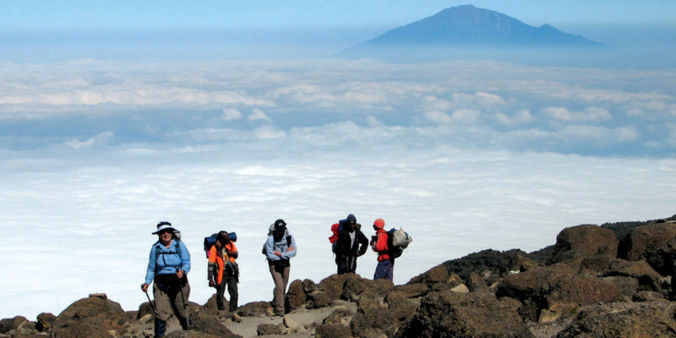
The journey takes climbers through rainforests, moorlands, alpine deserts, and arctic summit conditions, all within a matter of days.
Understanding Mount Kilimanjaro
Kilimanjaro is a dormant volcanic mountain consisting of three volcanic cones:
- Kibo
- Mawenzi
- Shira
The summit, known as Uhuru Peak, sits on the Kibo cone and is the ultimate destination for climbers.
Despite being near the equator, Kilimanjaro’s summit remains cold and can experience snow and ice throughout the year.
Popular Mount Kilimanjaro Climbing Routes
Choosing the right route is one of the most important decisions when planning your Mount Kilimanjaro climb.
1. Machame Route
Often called the “Whiskey Route,” the Machame Route is among the most popular options.
Advantages:
- Excellent scenery
- Good acclimatization profile
- High success rate
- Diverse landscapes
Duration: 6–7 days
2. Marangu Route
Known as the “Coca-Cola Route,” Marangu is the only route featuring hut accommodations.
Advantages:
- Comfortable sleeping huts
- Straightforward path
- Popular with beginners
Duration: 5–6 days
3. Lemosho Route
The Lemosho Route is widely considered one of the best routes for summit success.
Advantages:
- Outstanding scenery
- Lower traffic initially
- Better acclimatization opportunities
Duration: 7–8 days
4. Rongai Route
Approaching from the northern side, Rongai is generally drier and quieter.
Advantages:
- Fewer crowds
- Suitable during rainy seasons
- Unique perspectives
Duration: 6–7 days
5. Northern Circuit Route
This is the longest route and boasts one of the highest summit success rates.
Advantages:
- Superior acclimatization
- Spectacular scenery
- Less crowded
Duration: 8–9 days
Best Time for a Mount Kilimanjaro Climb
Although Kilimanjaro can be climbed year-round, some seasons offer better conditions.
January to March
- Cooler temperatures
- Fewer climbers
- Possible snow at the summit
June to October
- Dry weather
- Clear skies
- Most popular season
November and April–May
- Rainier conditions
- Fewer crowds
- Lower visibility
For most climbers, June through October provides the most favorable trekking conditions.
Physical Preparation for Kilimanjaro
One common misconception is that Kilimanjaro is easy because it requires no technical climbing skills. In reality, the mountain demands physical and mental endurance.
Recommended Training
Prepare at least 8–12 weeks before departure with:
- Long-distance hiking
- Cardiovascular training
- Strength exercises
- Stair climbing
- Backpack training
- Altitude hikes if possible
Consistency is more important than intensity. Building endurance gradually improves your chances of reaching the summit.
Altitude and Acclimatization
Altitude sickness is the primary challenge during a Mount Kilimanjaro climb.
Common symptoms include:
- Headaches
- Nausea
- Fatigue
- Dizziness
- Shortness of breath
To improve acclimatization:
- Choose longer routes
- Climb slowly
- Stay hydrated
- Follow guide instructions
- Avoid alcohol before and during the climb
The famous Kilimanjaro phrase “pole pole,” meaning “slowly slowly,” reflects the importance of a gradual pace.
Essential Gear for a Mount Kilimanjaro Climb
Packing the right equipment is critical for comfort and safety.
Clothing
- Moisture-wicking base layers
- Insulating mid-layers
- Waterproof outer shell
- Down jacket
- Warm gloves
- Thermal hat
Footwear
- Waterproof hiking boots
- Hiking socks
- Camp shoes
Equipment
- Trekking poles
- Headlamp
- Sleeping bag
- Daypack
- Water bottles or hydration system
- Sunglasses
- Sunscreen
Temperatures can vary dramatically, from tropical heat at the base to sub-zero conditions at the summit.
Cost of Climbing Mount Kilimanjaro
The cost of a Mount Kilimanjaro climb varies based on route, operator, and services provided.
Typical expenses include:
- Park fees
- Guide services
- Porters
- Accommodation
- Meals
- Transportation
Most guided climbs range from approximately $2,000 to $6,000 or more per person.
Choosing a reputable operator is essential, as ethical treatment of guides and porters contributes significantly to the climbing experience.
What to Expect on Summit Day
Summit day is the most demanding part of the journey.
Most climbers begin around midnight and hike through darkness toward Uhuru Peak. The steep ascent tests physical endurance and mental determination.
Upon reaching the summit, climbers are rewarded with:
- Spectacular sunrise views
- Glaciers and ice fields
- Panoramic views of Tanzania
- The achievement of standing atop Africa
Many climbers describe the summit experience as life-changing.
Environmental Responsibility
Kilimanjaro is a protected natural area. Responsible trekking practices help preserve the mountain for future generations.
Follow these guidelines:
- Leave no trace
- Use reusable water bottles
- Respect wildlife
- Stay on designated trails
- Support responsible tour operators
Sustainable tourism helps protect the mountain’s fragile ecosystems.
Conclusion
A Mount Kilimanjaro climb is more than just a trek—it is a journey through diverse landscapes, a test of perseverance, and an unforgettable adventure. Whether you choose the scenic Lemosho Route, the popular Machame Route, or the highly successful Northern Circuit, proper preparation and acclimatization are key to reaching Uhuru Peak.
For adventurers seeking a world-class trekking challenge without technical mountaineering requirements, Mount Kilimanjaro remains one of the most rewarding destinations on the planet. Standing atop Africa’s highest mountain is an achievement that many climbers remember for the rest of their lives.










.webp)