Sign up with Google
 Sign in with Zoho
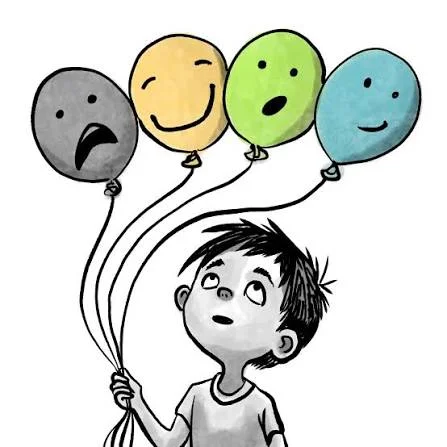
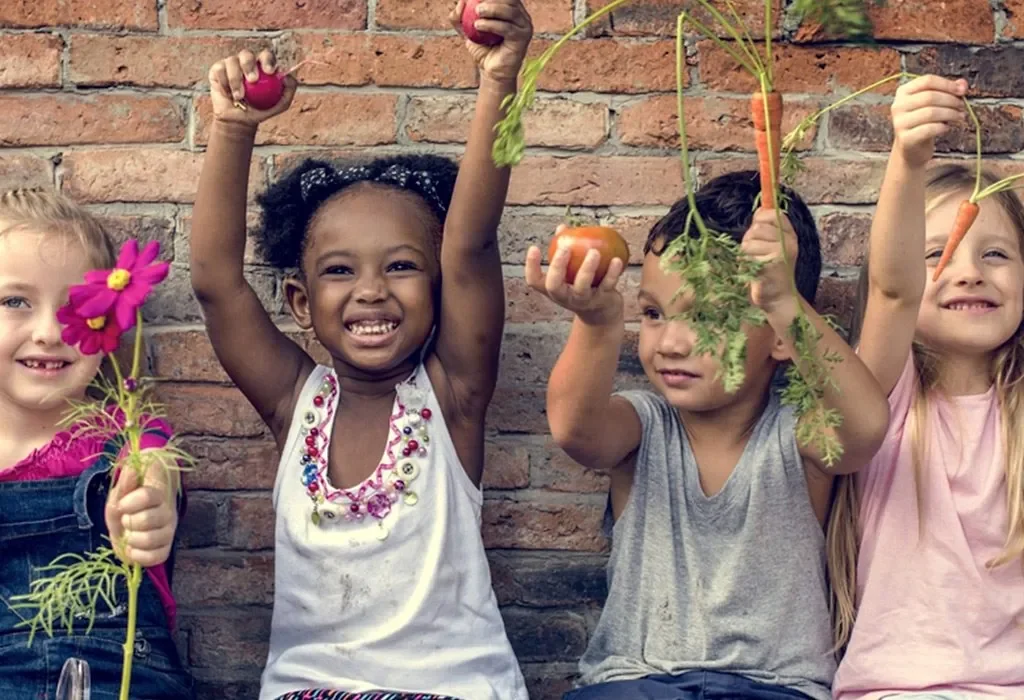
Emotional development refers to the gradual process through which a person learns to recognize, express, understand, and manage their emotions over time. It begins in early childhood and continues evolving throughout life, shaping how individuals form relationships, handle setbacks, and respond to the world around them.
Unlike a skill that's learned once and mastered, emotional development is an ongoing journey. A toddler learning to name frustration and an adult learning to navigate workplace conflict are both engaging in emotional development, just at different stages of complexity. Understanding this process helps parents, educators, and individuals themselves nurture healthier emotional growth at every age.
Why Has Emotional Development Gained So Much Attention Recently?
For years, emotional growth was treated as something that simply "happened" alongside physical and cognitive development. Today, there's a growing recognition that it deserves intentional attention and support.
Research Now Links Emotional Growth to Long-Term Success
Studies increasingly show that individuals with strong emotional development tend to have better relationships, higher resilience, and greater overall life satisfaction, regardless of academic or professional achievement.
Parents and Educators Are Seeking Proactive Approaches
Rather than waiting for emotional struggles to appear, more parents and schools are actively looking for ways to support emotional growth early, treating it as seriously as literacy or numeracy.
What Are the Key Stages of Emotional Development?
Emotional development doesn't happen all at once. It unfolds gradually, building on skills learned at each stage.
- Infancy – developing basic trust and emotional bonding with caregivers
- Early childhood – learning to identify and name simple emotions
- Middle childhood – understanding more complex feelings and social cues
- Adolescence – navigating identity, independence, and emotional regulation under pressure
- Adulthood – refining emotional maturity through relationships, work, and self-reflection
Each stage builds the foundation for the next, which is why early support plays such a critical role.
How Is Emotional Development Different From Personality Growth?
A common area of confusion lies in distinguishing emotional development from personality traits, an important distinction often discussed as emotional education vs personality development.
Personality Shapes Expression, Not Emotional Capability
A child's personality might determine whether they are naturally quiet or outgoing, but this has little bearing on their ability to understand or regulate emotions effectively.
Emotional Development Focuses on Skill-Building
While personality development shapes how a person presents themselves to the world, emotional development focuses specifically on building the internal skills needed to process feelings, empathize with others, and respond thoughtfully rather than reactively.
Why Is Emotional Development Especially Important During School Years?
School years mark a critical window where emotional skills are actively tested through academics, friendships, and increasing independence.
Academic Stress in School Children Can Disrupt Healthy Development
Academic stress in school children often interferes with emotional growth, as children under constant pressure to perform may suppress feelings rather than learn to process them, delaying important developmental milestones.
Peer Relationships Become a Major Developmental Influence
As children spend more time with peers, navigating friendships, conflicts, and social dynamics becomes a significant part of how emotional skills are practiced and refined.
How Can Structured Coaching Support Healthy Emotional Development?

While emotional development happens naturally to some degree, guided support can help children build these skills more effectively and avoid unhealthy patterns.
Coaching Provides Age-Appropriate Tools
Emotional coaching for kids in Ahmedabad offers structured activities and conversations designed to match a child's developmental stage, helping them build self-awareness and empathy in ways that feel natural rather than forced. Emotional coaching for kids in Ahmedabad
Early Support Prevents Long-Term Emotional Gaps
Children who receive guidance during key developmental windows are less likely to struggle with emotional regulation later, as foundational skills are reinforced before unhealthy coping patterns take root.
Does Emotional Development Stop After Childhood?
Emotional development is often associated with children, but it continues well into adulthood, particularly for those balancing complex responsibilities.
Adults Continue Refining Emotional Skills Throughout Life
Life transitions such as parenthood, career changes, and relationship shifts continue to challenge and shape emotional maturity long after childhood ends.
Women Often Need Space to Revisit Their Own Emotional Growth
Many women, having spent years focused on caregiving and responsibilities, benefit from dedicated time to reconnect with their own emotional development. A women's wellness retreat offers exactly this kind of space, allowing reflection and renewed emotional clarity away from daily demands.
What Role Does a Professional Play in Supporting Emotional Development?
While families play the primary role in shaping emotional growth, professional guidance often fills important gaps that everyday life doesn't always allow time for.
A Coach Offers an Objective, Trained Perspective
An Emotional wellness coach brings structured techniques and an outside perspective that helps identify developmental gaps or emotional patterns that may be difficult for family members to recognize on their own.
Consistency Reinforces Long-Term Growth
Emotional development strengthens through repeated practice, and regular coaching sessions help ensure that new skills are reinforced consistently rather than addressed only during moments of difficulty.
Why Does Local, Accessible Support Matter for Emotional Growth?
Emotional development support shouldn't be limited to major metropolitan hubs or expensive specialized centers.
Cultural Familiarity Strengthens Connection
A coach or support system that understands local family dynamics and community values often creates a more comfortable, relatable environment for growth.
Increasing Awareness in Local Communities
There has been a steady rise in interest around Emotional Wellness Support in Ahmedabad, reflecting a broader shift toward valuing emotional growth as an essential part of overall development, not just an optional add-on.
What Are Simple Ways to Support Emotional Development at Any Age?
Supporting emotional development doesn't require formal intervention at every stage. Everyday habits can make a meaningful difference.
- Encourage naming emotions specifically rather than generalizing feelings
- Model healthy emotional expression rather than suppression
- Create regular opportunities for open, judgment-free conversation
- Allow space for mistakes and setbacks as part of the learning process
- Seek professional support when emotional patterns feel stuck or overwhelming
Final Thoughts
Emotional development is a lifelong process that shapes how individuals understand themselves and connect with others. From early childhood through adulthood, nurturing this growth—whether through mindful parenting, structured coaching, or dedicated reflection time—builds the foundation for healthier relationships, greater resilience, and a more balanced approach to life's challenges.